Quick Tips for Commercial Kitchen Air System Tune-Ups
As the snow thaws and spring arrives in Clinton Township and across Metro Detroit, commercial kitchens are gearing up for a busy season. April is an ideal time for restaurants, schools, hospitals, and hospitality venues to focus on a critical, often overlooked component: commercial kitchen ventilation and hood system tune-ups. Regular maintenance not only improves air quality but also boosts safety, efficiency, and code compliance—three essentials for commercial businesses in Michigan’s unpredictable climate. Michigan Commercial Mechanical Contracting LLC (MCMC) offers expert advice and services to ensure your ventilation systems are running at their best this spring.
Why Tuned-Up Ventilation Matters for Metro Detroit Kitchens
After a long Michigan winter, dust, grease, and debris often accumulate in kitchen hoods, ducts, and filters. As temperatures rise and kitchens get busier with spring holidays like Easter and Mother’s Day, unmaintained ventilation can lead to poor airflow, higher energy bills, and potential code violations. Airborne allergens and lingering odors can also reduce guest comfort and affect employee health.
A trending People Also Ask (PAA) question is: How often should commercial kitchen ventilation and hood systems be serviced? While every kitchen varies, experts recommend professional maintenance at least twice a year—and April is the perfect time for a thorough tune-up.
Spring Maintenance Checklist: Key Steps for Ventilation & Hood Performance
Here are actionable, locally relevant quick tips to get your commercial kitchen’s ventilation and hood systems ready for spring’s demands:
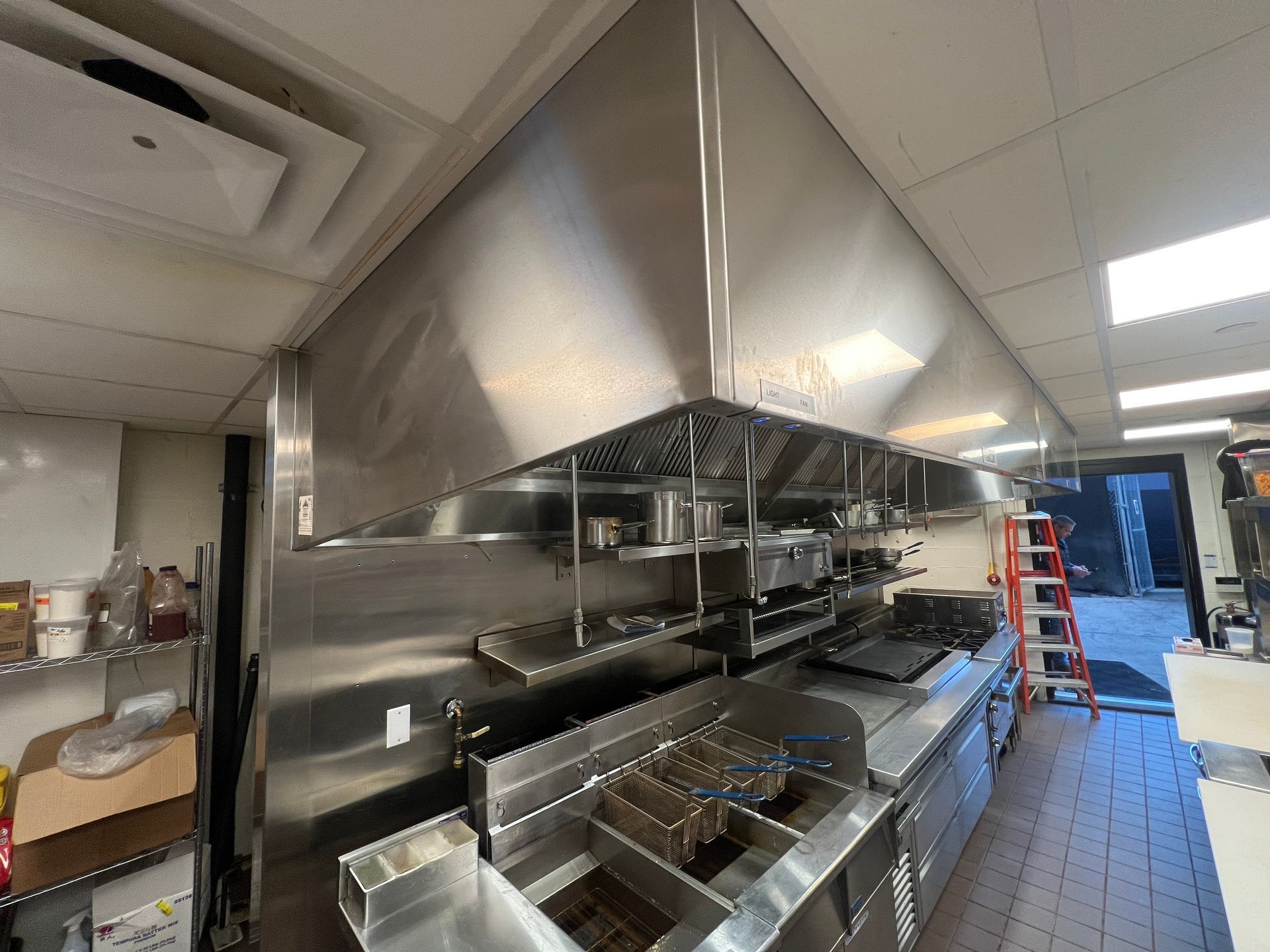
Inspect and Clean Hood Filters
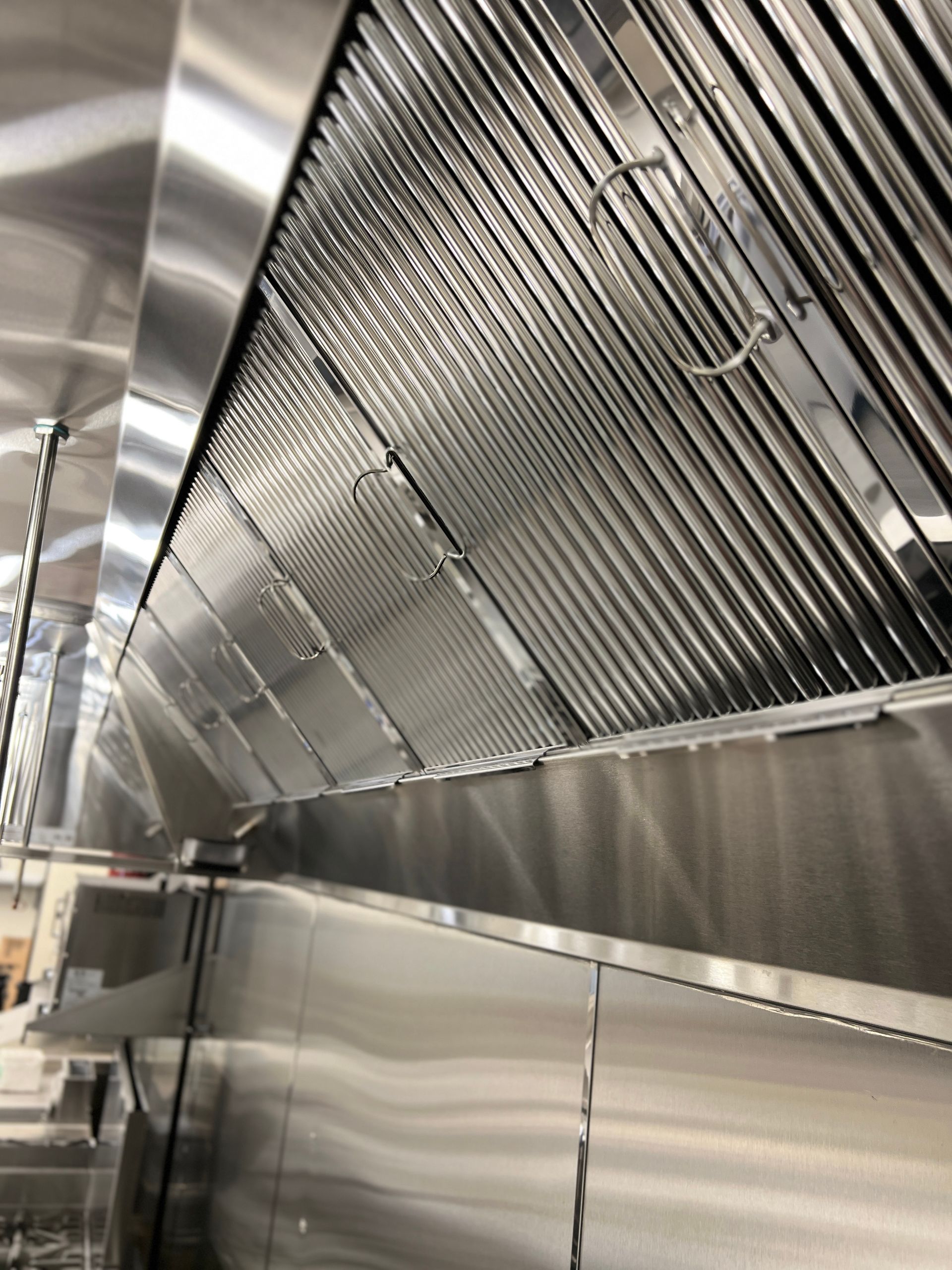
Clean hood filters are crucial for optimal airflow and grease capture. Spring is a great time to:
Remove and wash baffle and mesh filters in warm, soapy water.
Check filters for warping or damage—replace if necessary.
Consider upgrading to higher-efficiency filters for increased kitchen output.
Rely on MCMC’s experts for filter replacements or brand recommendations suited for your Detroit-area kitchen.
Check Ductwork and Fan Blades
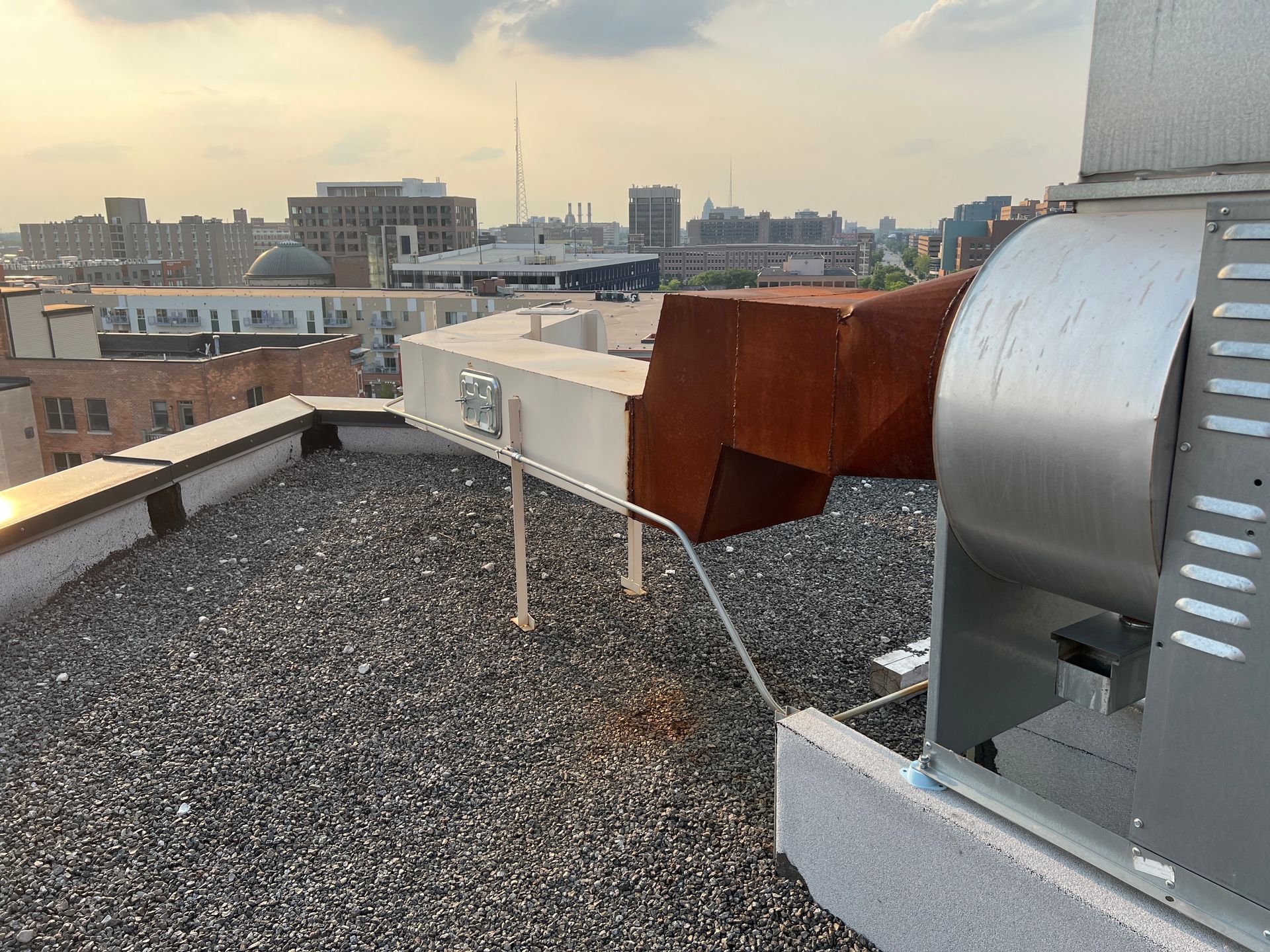
During winter, grease buildup and dust can restrict airflow and increase fire risk. For April tune-ups:
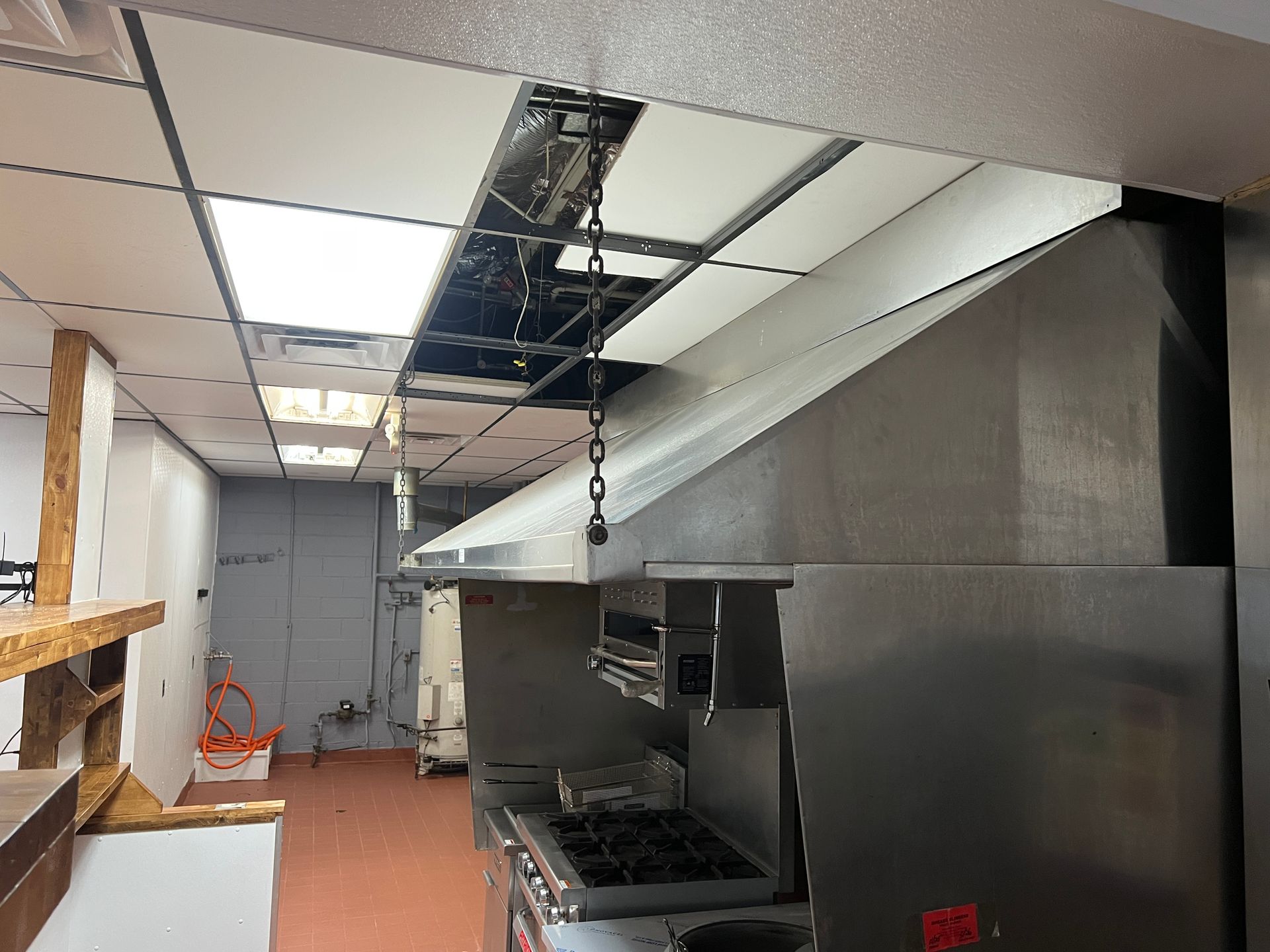
Visually inspect ductwork for grease accumulation or blockages.
Schedule professional duct cleaning if buildup or reduced ventilation is noticed.
Check fan blades for dust or debris and clean as needed. A clean ventilation system keeps your kitchen compliant with Michigan fire and health codes.
Balance Airflow for Comfort and Efficiency
As spring brings warmer air, balancing your kitchen’s airflow is vital. Unbalanced systems can cause hot spots, drafts, and negative pressure that pull in unwanted odors and allergens.
Arrange for technicians to measure and adjust airflow for comfort and safety.
Ensure make-up air units are clear and functioning properly for temperature and humidity changes.
Seal any ductwork leaks to improve efficiency and reduce energy costs. Spring is also when Metro Detroit kitchens may increase seating or extend hours, making proper air balancing even more critical.
Monitor for Common Warning Signs
Stay ahead of problems this spring by watching for:
Persistent kitchen odors or increased smoke
Loud noises from exhaust fans or vents
Higher-than-normal energy bills (systems working too hard)
Uneven temperatures in cooking or dining spaces
If any of these occur, book a check-up with MCMC’s professionals.
Professional Tune-Ups: Why Local Expertise Matters
Michigan’s weather and local codes require specialized knowledge for safe, reliable commercial kitchen ventilation. MCMC’s technicians have over eight years of experience serving Clinton Township, Sterling Heights, Macomb, and the greater Detroit region. Our team is familiar with local codes and seasonal needs, from pollen spikes to humidity swings in April.
Our kitchen ventilation services include comprehensive inspections, air balancing, filter upgrades, and repairs. Regular maintenance with MCMC means fewer surprises during health inspections and a kitchen environment that keeps both staff and customers happy. Our preventative approach fits seamlessly with your busy spring schedule, so you can focus on what matters most—your guests.
Get Ready for a Fresh, Safe Spring—Schedule Your Kitchen Ventilation Tune-Up Now
April in Metro Detroit means new beginnings—and that’s true for your commercial kitchen, too. Tuning up your ventilation and hood systems leads to better air quality, safer operations, and peace of mind throughout every spring rush. Don’t let hidden issues slow you down or risk your compliance.
Contact Michigan Commercial Mechanical Contracting LLC today to schedule your spring kitchen ventilation and hood system maintenance, request a professional inspection, or sign up for a preventative care plan tailored to your business.
Give your kitchen a fresh start this season—because at MCMC, quality and safety always come first.
Share This Blog