How Often Should My Hood Be Cleaned?
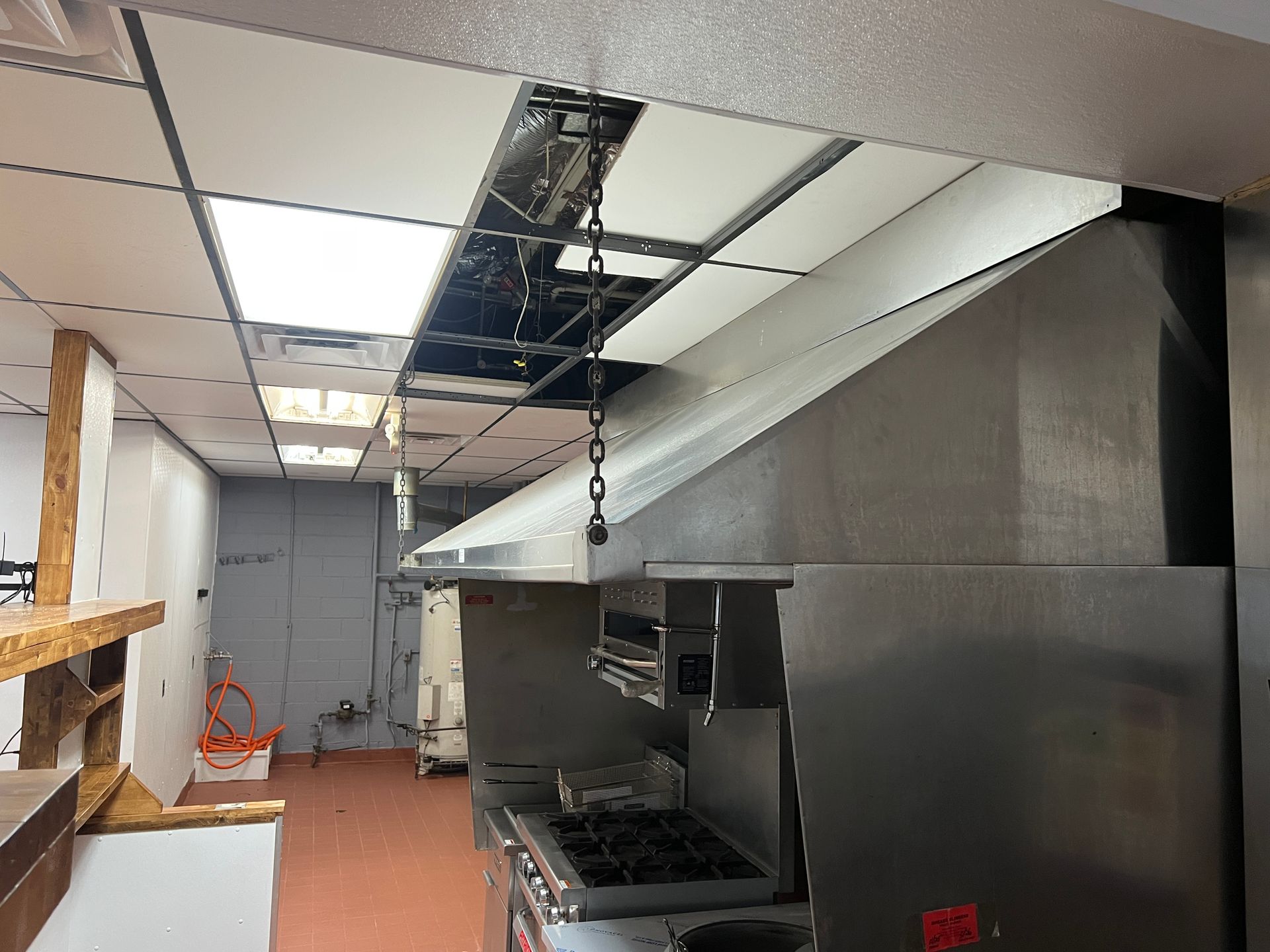
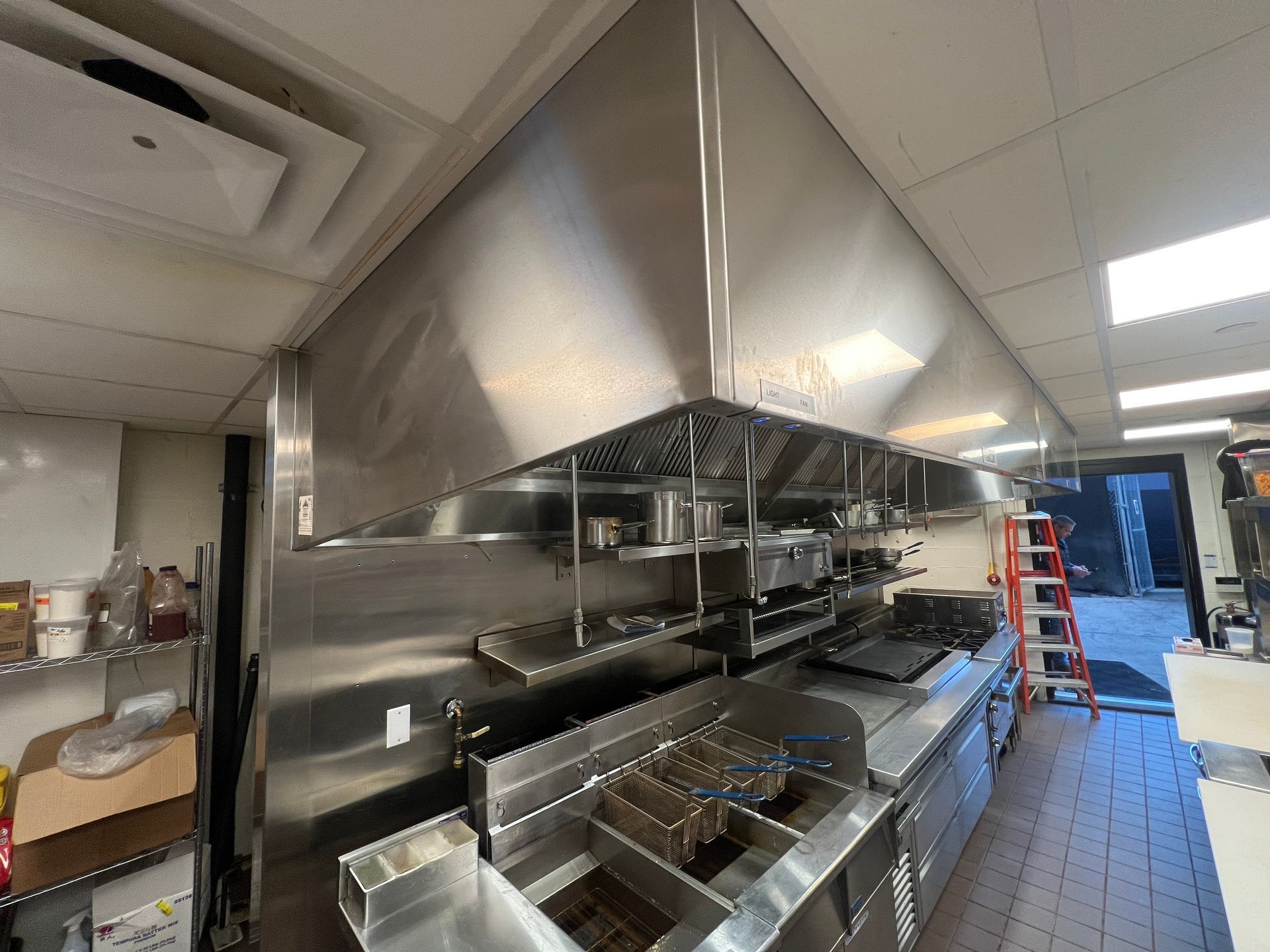
Running a commercial kitchen in Metro Detroit means keeping up with a steady flow of orders, staff changes, and safety requirements. One question almost every restaurant owner faces is how often to clean the kitchen hood. At MC², we see firsthand what happens when cleaning gets pushed off—the risks pile up quickly, from failing inspections to unexpected fires and equipment breakdowns.
Cleaning your hood isn’t just about passing health checks or pleasing the fire marshal. Regular, scheduled service directly protects your investment, helps your staff breathe easier, and lowers your risk of catastrophic kitchen shutdowns. But how do you determine the best cleaning interval for your unique kitchen? Here’s what you need to know to stay ahead of hazards and keep your kitchen running safely.
In This Article:
- What Affects Your Hood Cleaning Frequency
- The Risks of Missing Cleanings
- Industry Standards and Detroit Code Requirements
- Customizing Your Cleaning Schedule
- Frequently Asked Questions
What Affects Your Hood Cleaning Frequency
There’s no “one size fits all” answer to hood cleaning—it depends on how you cook and how busy your kitchen is.
Heavy-use kitchens, like those with deep fryers, charbroilers, or wok stations, generate more grease, so their hoods need cleaning more often. Fast casual and fine dining spots might run a lighter schedule, but high-volume takeout or event spaces can build up dangerous residue quickly.
Factors that influence cleaning frequency include:
- Cooking Volume: Busy kitchens accumulate grease faster
- Food Type: Frying, broiling, and grilling produce far more vapors
- Hours of Operation: Longer hours mean more residue
- Equipment Age: Older ventilation often traps more grease
- Local Code: Cities like Detroit may require more frequent cleaning in high-risk applications
→ From a professional standpoint: The more grease you see in daily prep, the more often you need professional cleaning.
The Risks of Missing Cleanings
Skipping or stretching your hood cleaning schedule leads to a cascade of problems. Grease inside the hood and ductwork insulates fan motors and narrows airflow, forcing exhaust systems to work harder. That mechanical strain leads to higher energy bills and frequent breakdowns. Most dangerous of all, grease buildup is a primary cause of kitchen fires—especially in older buildings across Detroit, Royal Oak, and Clawson.
Missed cleanings can also mean failing fire or health inspections, sudden shutdowns, and insurance issues. Even a few weeks’ delay in a high-volume kitchen is enough to turn a safe system into a major risk.
→ A quick tip to remember: If your kitchen smells greasy or staff notice smoke lingering, cleaning is overdue—don’t wait for visible buildup.
Industry Standards and Detroit Code Requirements
The National Fire Protection Association (NFPA) bulletin 96 sets the baseline for commercial kitchen hood cleaning. In most cases:
- High-volume kitchens (charbroiling, frying): Every 1–3 months
- Moderate-volume restaurants: Every 3–6 months
- Low-volume or occasional-use kitchens: Every 6–12 months
Metro Detroit cities frequently reference this standard. Local inspectors may require more frequent cleaning for busy bars, diners, or banquet halls. Your cleaning provider should be able to supply cleaning certificates and proof of compliance—inspectors will ask for this paperwork.
Customizing Your Cleaning Schedule
While industry standards provide a starting point, your real-world operations should always dictate frequency. Schedule your first few cleanings at the more frequent end; then, with MC²’s professional feedback, adjust intervals as needed. For example:
- Adaptive Scheduling: Busy periods may call for more frequent cleanings
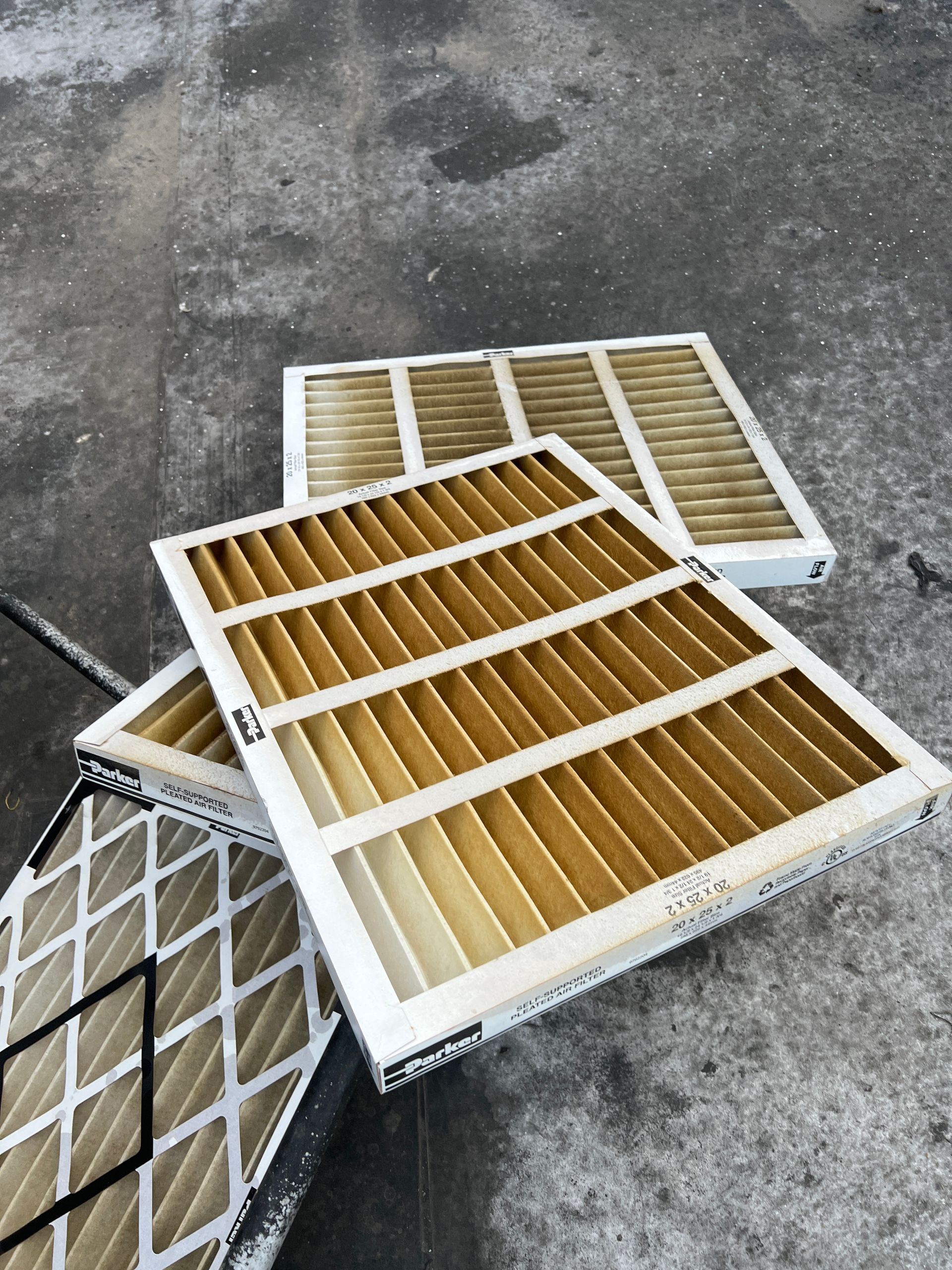
- Grease Monitoring: Your staff can inspect baffle filters for rapid buildup between cleanings
- Record Keeping: Maintain a cleaning logbook for each hood
Kitchens in neighborhoods like Novi, Troy, or Dearborn with higher summer volume may shift up their cleanings in peak months. MC² also recommends checking your schedule after crew or menu changes so new routines don’t add grease surprises.
Frequently Asked Questions
Will my insurance require proof of hood cleaning?
Yes, most commercial kitchen insurance policies demand documentation. After every professional cleaning, ensure you receive and file a certificate or report—especially in Metro Detroit, where local regulations are strictly enforced.
Is there a danger in only cleaning the hood but skipping ducts and fans?
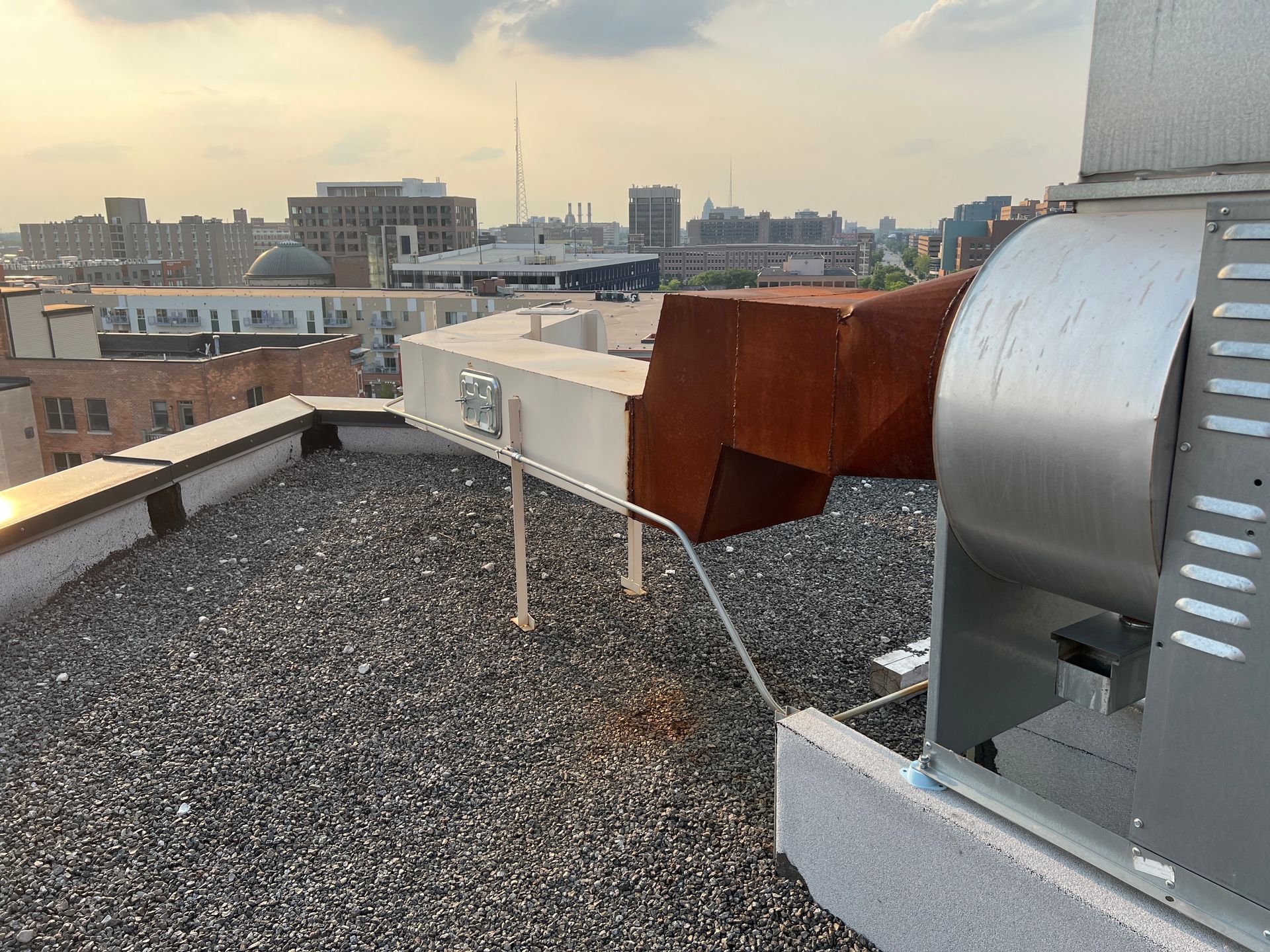
Absolutely. The real risks come from hidden grease in the ductwork and fan units—these spots ignite first and are most often missed. Always insist your contract covers the full exhaust system, not just visible surfaces.
Can my own staff handle hood cleaning?
Basic wipe-downs and filter cleaning are good daily habits, but only a certified provider should handle full-system cleaning. They have the right tools, degreasers, and know how to meet Detroit’s safety codes.
Keep Your Kitchen Safe and Up to Code
Regular hood cleaning is a non-negotiable part of a safe, efficient kitchen. The right schedule depends on your menu, hours, and kitchen design—but skipping cleanings is never worth the risk. For expert advice, reliable documentation, and dependable service, partner with MC² and keep your Metro Detroit kitchen protected year-round. Schedule your next cleaning before buildup becomes a bigger problem.
Share This Blog