Why’s My Dining Room Freezing but My Kitchen’s Boiling?
Many Metro Detroit restaurants face a common and stubborn challenge: servers and customers complain that the dining room is freezing while the kitchen team sweats it out just feet away. MC² sees this scenario almost every week. Staff morale drops and customers shiver through their meals, while on the other side of the wall cooks are working in conditions hotter than a summer sidewalk. If you’re struggling with two climates under one roof, your HVAC and ventilation systems likely aren’t playing well together.
Temperature imbalances between your dining room and kitchen aren’t just uncomfortable—they drive up energy costs, hurt team productivity, and make every shift a battle. Understanding the causes behind this divide, and knowing the right solutions, keeps customers happy, protects your staff, and delivers a more stable environment for your business.
In This Article:
- Why Kitchens Run So Hot While the Dining Room Gets Cold
- The Real Role of Air Balance in Restaurant Comfort
- Common Equipment and Design Mistakes That Worsen Temperature Swings
- How MC² Diagnoses and Fixes the Problem
- Frequently Asked Questions
Why Kitchens Run So Hot While the Dining Room Gets Cold
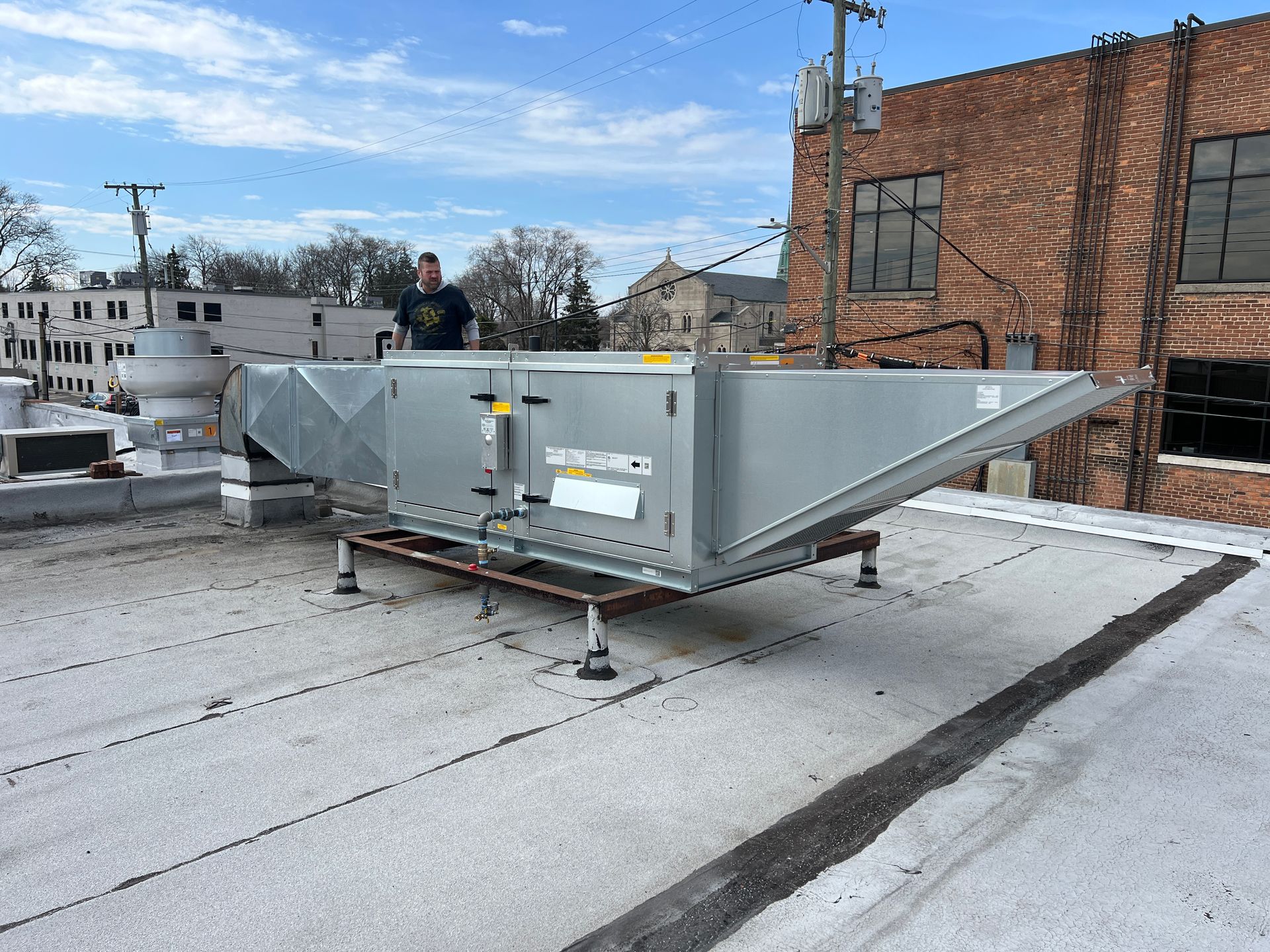
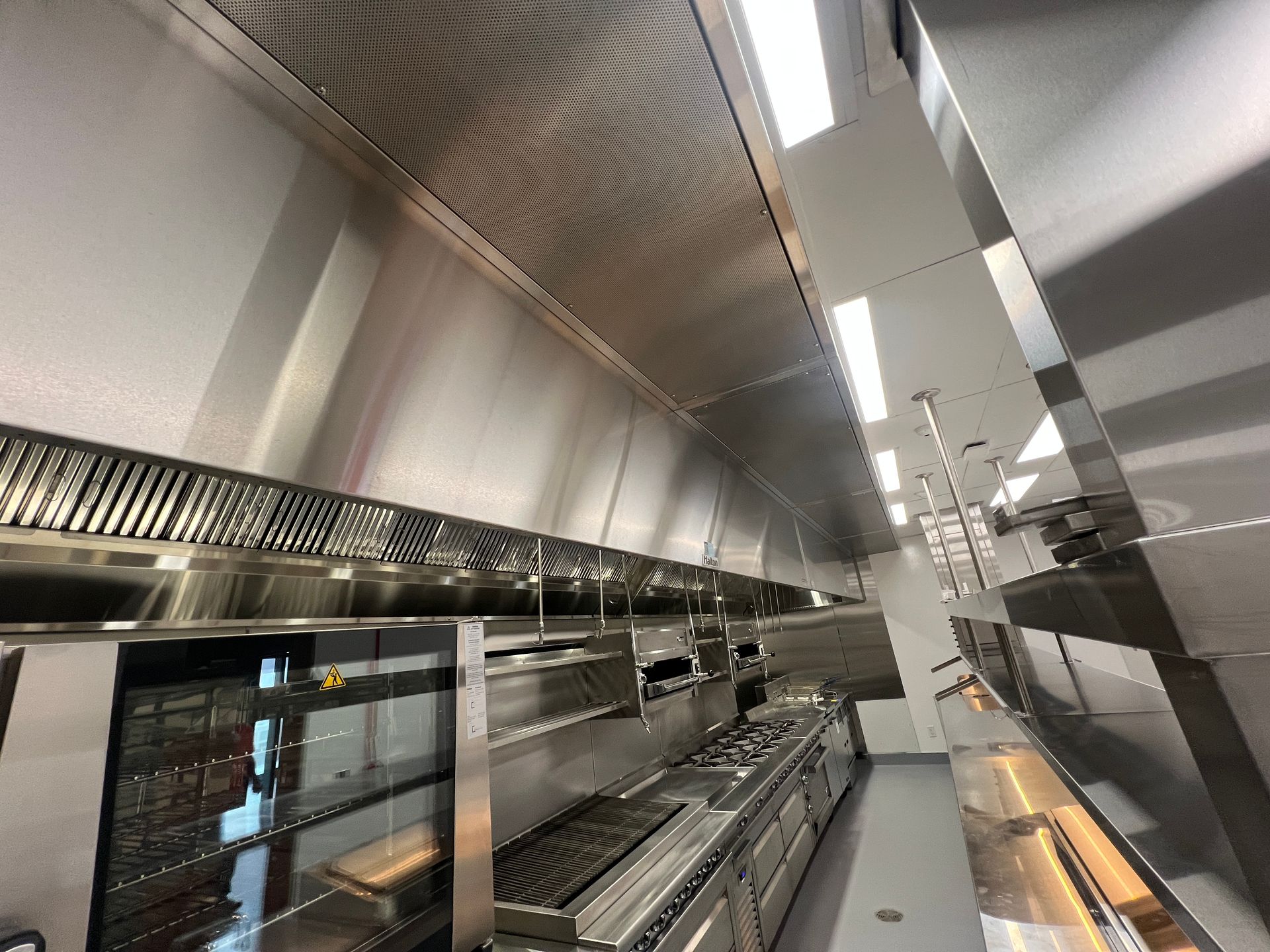
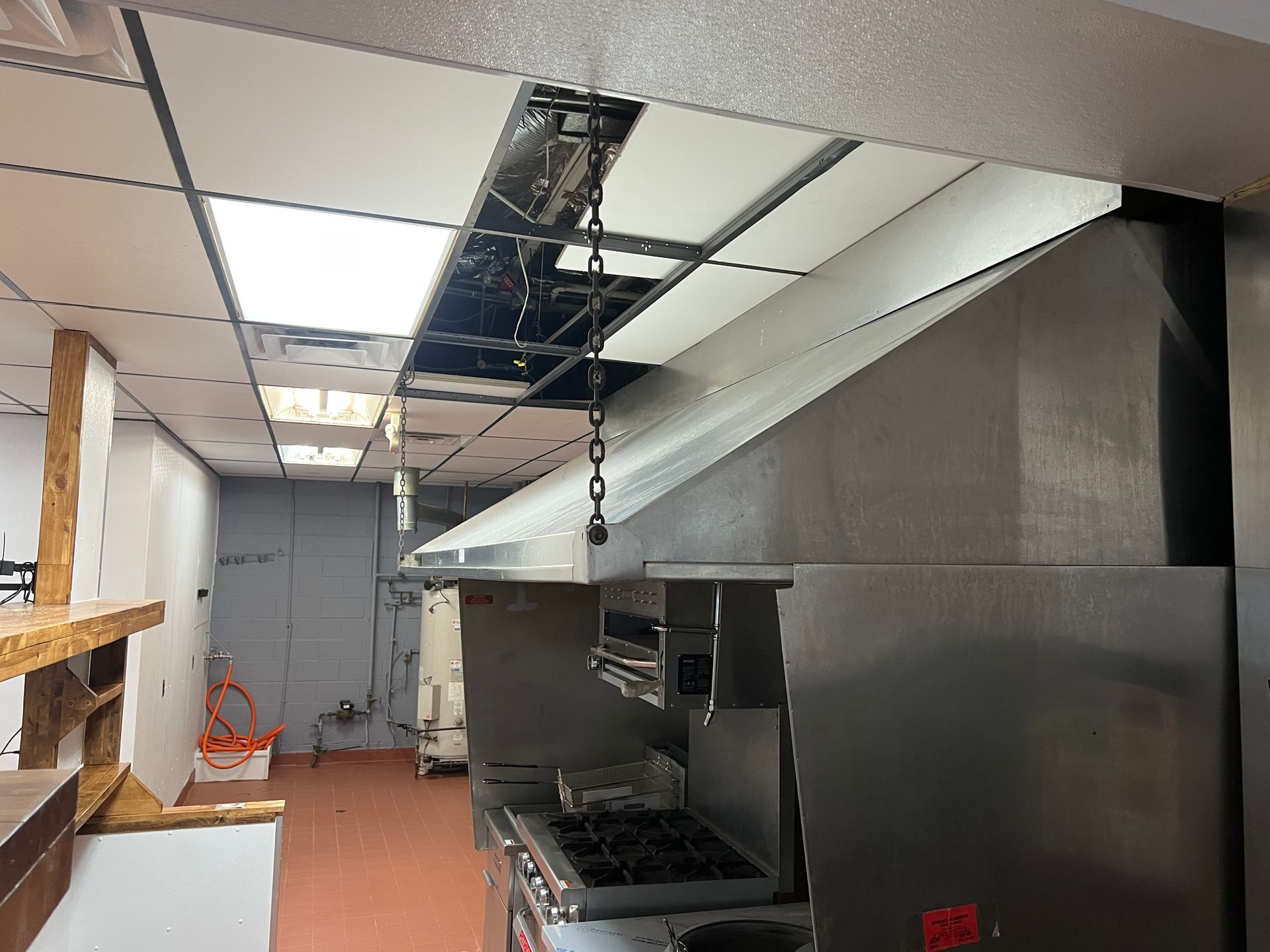
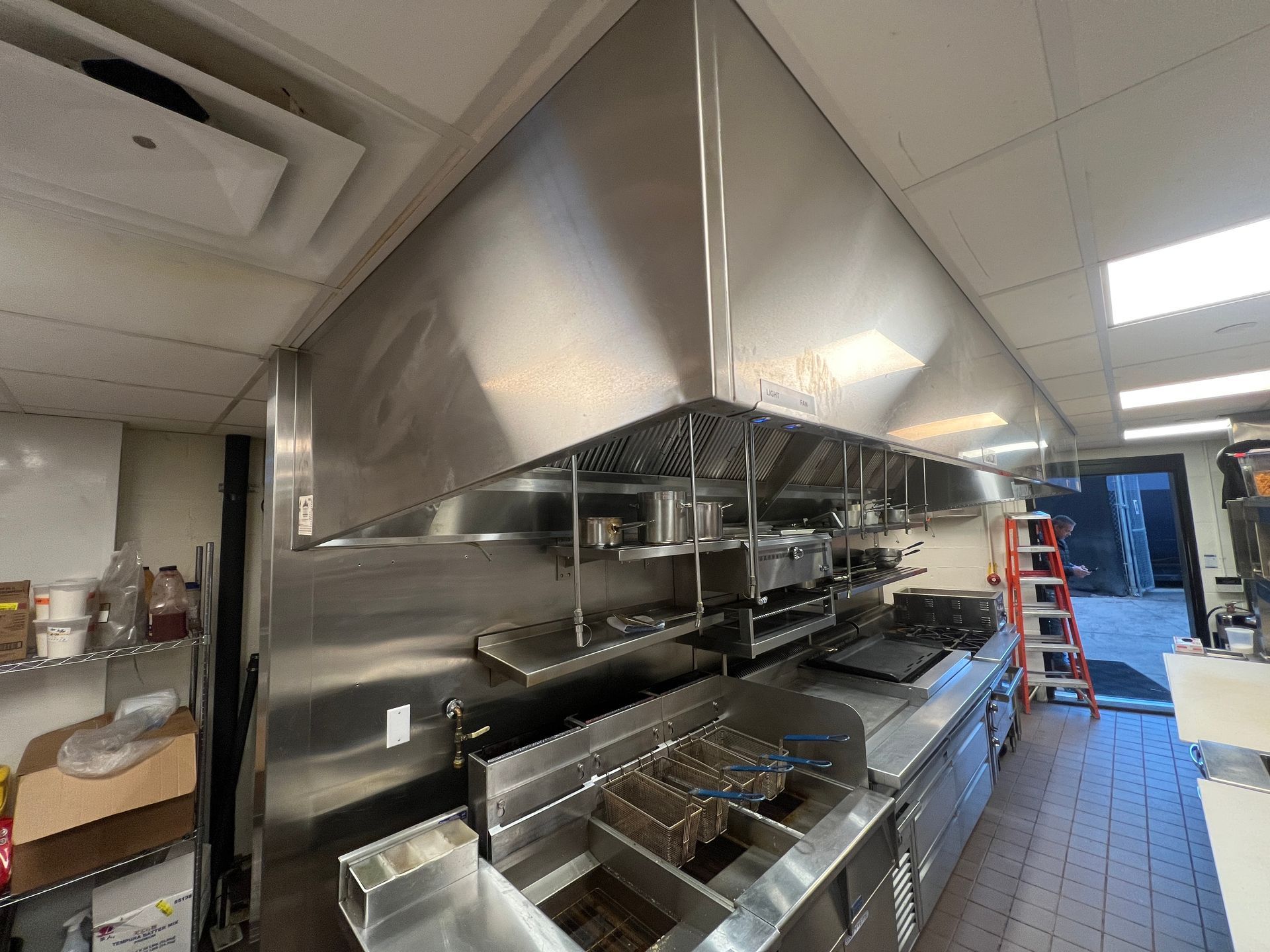
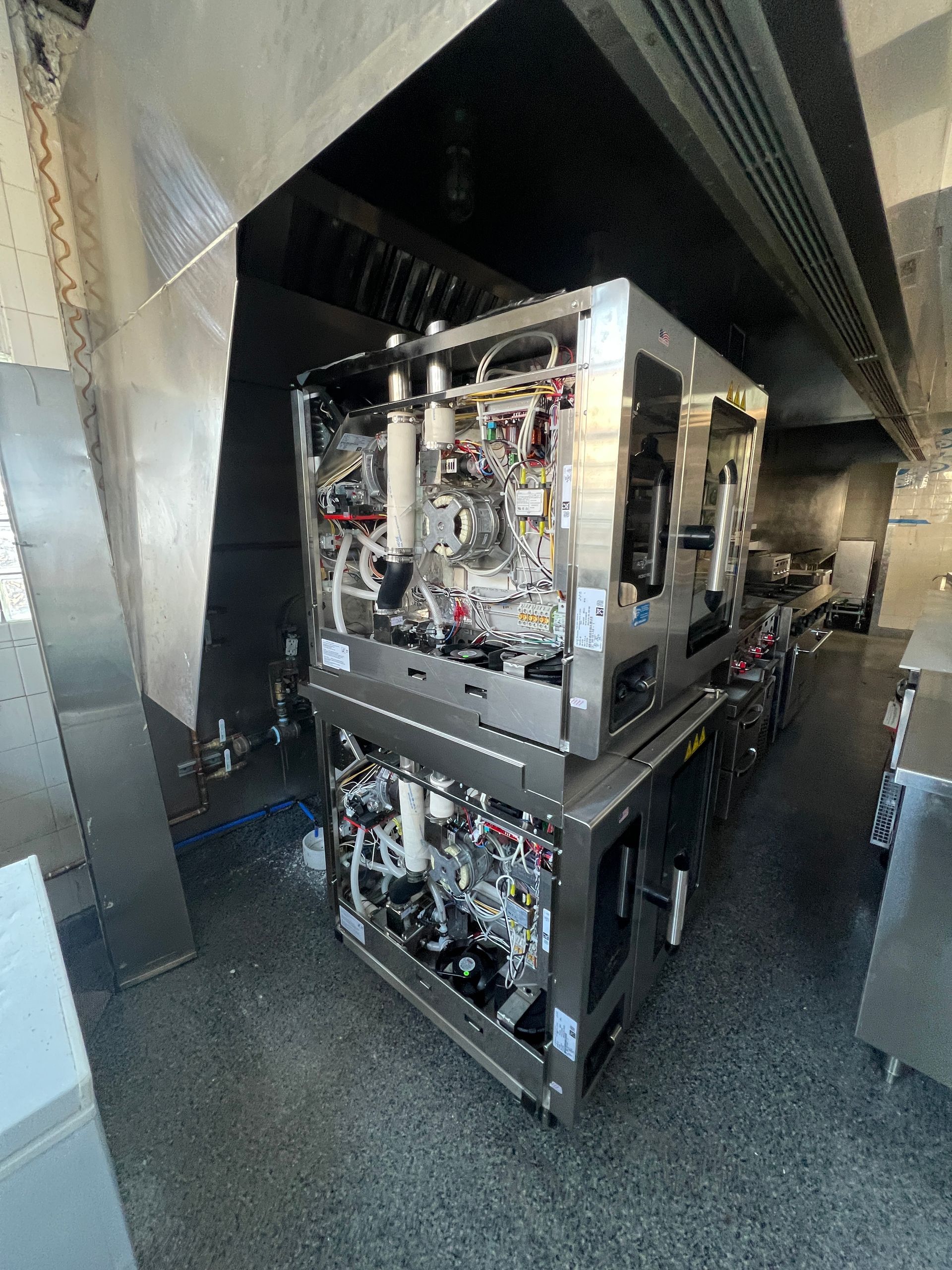
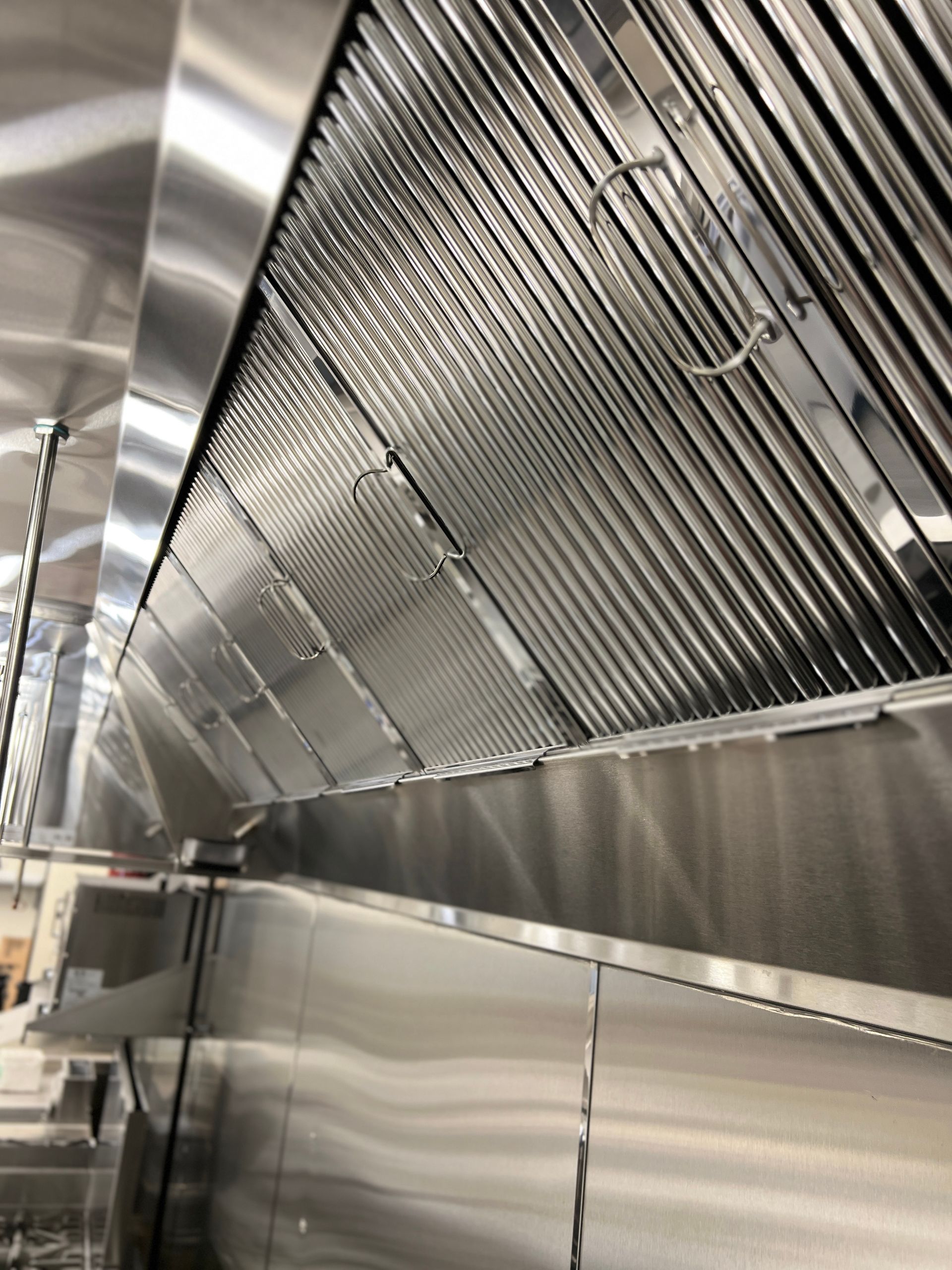
Kitchen cook lines throw off massive amounts of heat—fryers, griddles, ovens, and steamers all pumping out BTUs hour after hour. Commercial exhaust hoods pull this air out at high speed to keep grease and smoke at bay. But every cubic foot of air removed must be replaced. If your make-up air system isn’t delivering enough outside air—especially if it’s unconditioned—the kitchen overheats, and the HVAC system tries to make up the difference by dumping even more cold air into the areas it still controls: the dining room.
This dynamic gets more pronounced during peak service, summer heatwaves, or in legacy buildings throughout Detroit, Novi, or Farmington Hills, where older or mismatched ventilation creates even sharper divides.
The Real Role of Air Balance in Restaurant Comfort
Proper air balance means your exhaust and make-up air are working in tandem so you’re not stealing air from one side of the building to serve the other. Without balance, kitchens turn into furnaces and dining rooms into iceboxes. If exhaust pulls more air out than the make-up air can replace, it draws from the path of least resistance—often the conditioned dining room. This leaves customers cold, while kitchen temperatures keep climbing. Factor in door swings, leaky windows, or unbalanced supply registers, and the problem snowballs.
→ From a professional standpoint: If doors whistle, slam, or are hard to open, your restaurant’s air is out of balance—and that’s causing your temperature extremes.
Common Equipment and Design Mistakes That Worsen Temperature Swings
There are a few common errors MC² sees during service calls:
- Undersized or poorly maintained make-up air units
- Poorly placed supply registers that blast cold air at diners but miss the kitchen
- Exhaust hoods pulling more CFM than designed to replace
- Thermostat sensors placed in the wrong spot—leading to unintended climate control in the dining room
- Air conditioning running while kitchen heat loads aren’t addressed at the source
Old ductwork or DIY fixes for previous air issues can create new airflow barriers, making matters worse with every season change.
How MC² Diagnoses and Fixes the Problem
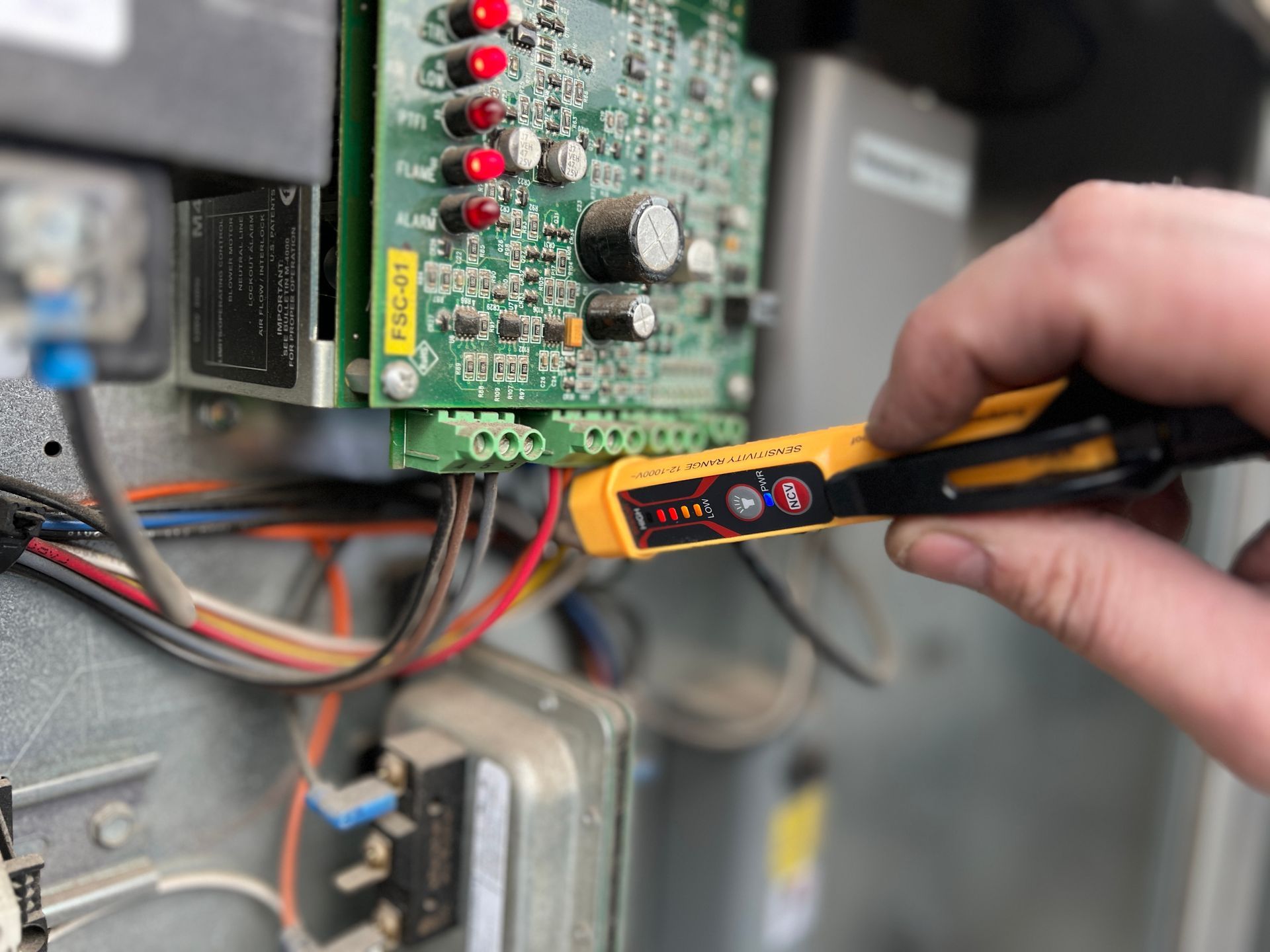
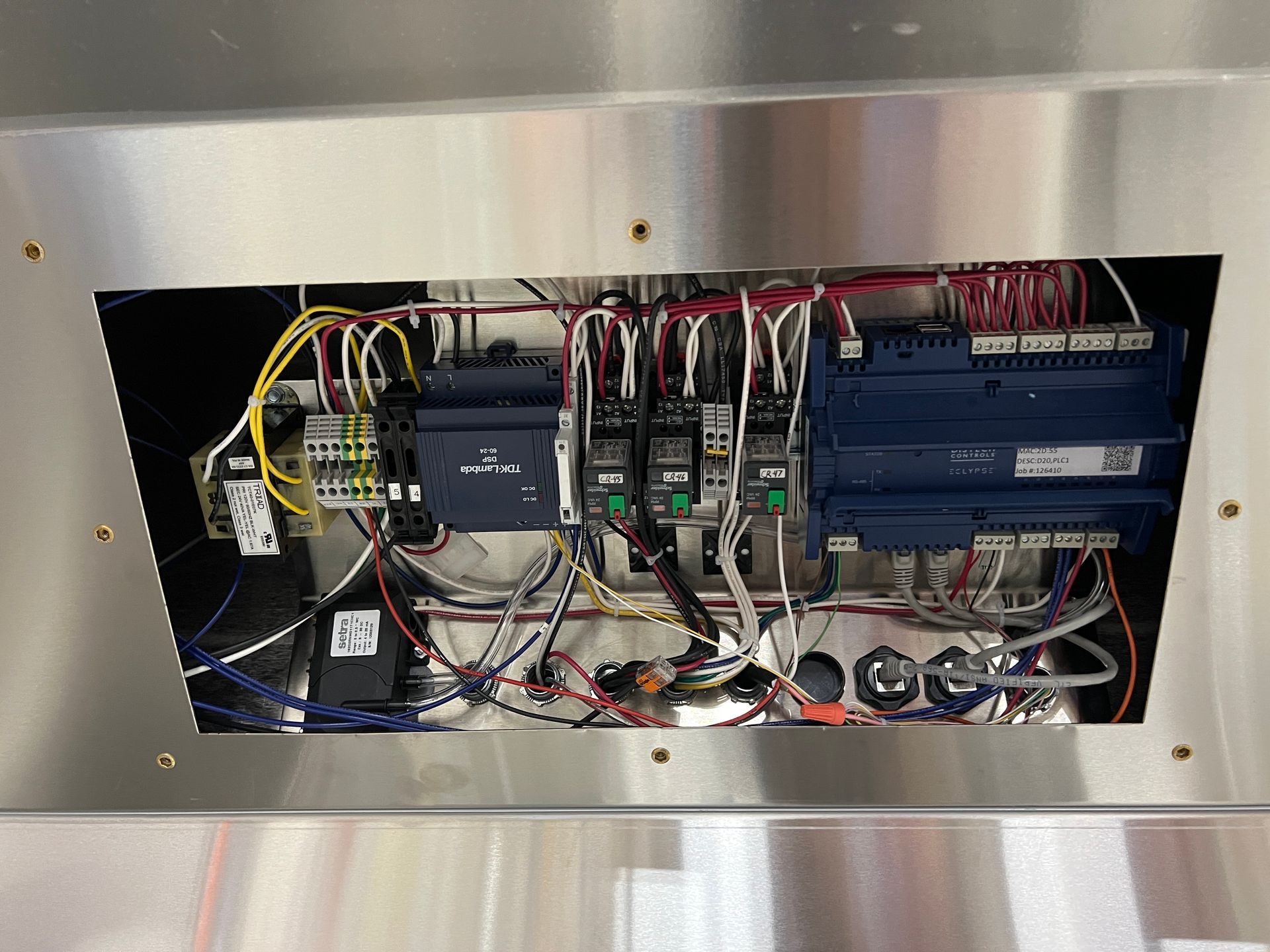
MC² begins with a full air balance assessment, measuring both exhaust rates and make-up air supply at every HVAC register and hood. The team inspects all control systems, verifies placement and operation of thermostats, and checks for duct leaks or failed dampers. Upgrades might include rebalancing existing systems, adding new supply runs to the kitchen, re-positioning registers, or upgrading make-up air units to supply tempered or conditioned air—even retrofit cooling solutions that make kitchens livable year-round.
By tackling the root of the imbalance, MC² helps restaurants across Metro Detroit achieve steady, comfortable temperatures in every room—eliminating staff complaints, improving customer experience, and protecting refrigeration and cooking equipment from unnecessary stress.
Frequently Asked Questions
Can I fix this with more air conditioning in the dining room?
No—dumping more cold air in the dining area usually makes the dining room too cold while doing nothing for the kitchen. The key is air balance and treating incoming make-up air.
Is this mainly an issue in older restaurants?
Older buildings are more likely to have outdated systems, but even new kitchens can struggle if the ventilation wasn’t designed or balanced for your menu or volume.
How often should I have my ventilation and air balance checked?
Schedule a professional air balance test at least once a year, or any time you renovate equipment, change the menu, or hear regular staff or customer complaints about comfort.
Restore Comfort for Your Staff and Guests
Restaurant temperature swings can frustrate your entire team and drive customers away. With expert air balance testing and system corrections from MC², you’ll get a consistently comfortable kitchen and dining space year-round. If you’re battling uneven temperatures in Metro Detroit, call for a diagnosis and stop the climate wars inside your business for good.
Share This Blog