Make-Up Air Unit Maintenance: How to Clean It Right
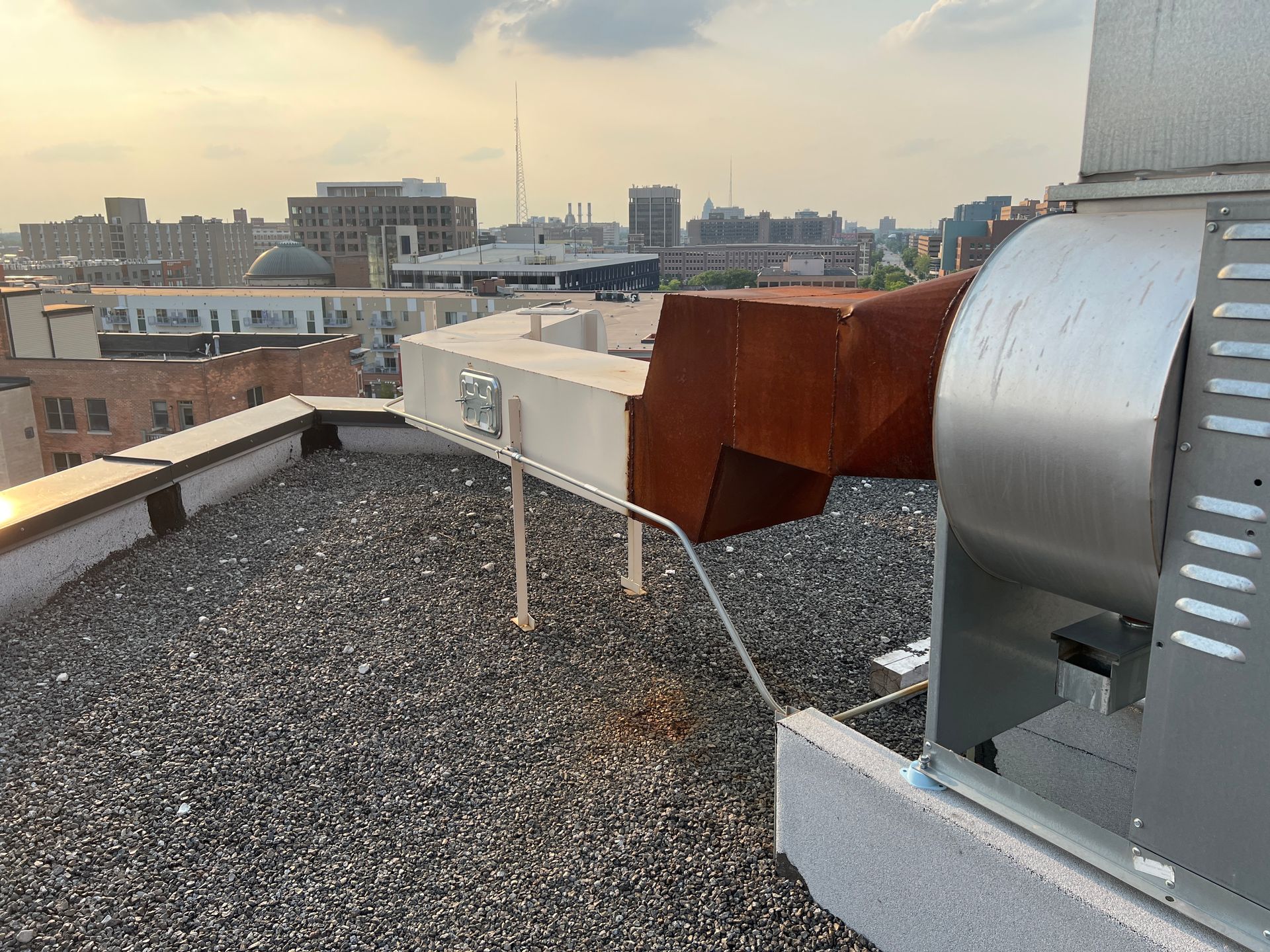
Your make-up air unit is the unsung hero of your kitchen’s ventilation system, keeping air balanced and staff comfortable while helping your exhaust system work efficiently. Yet, many restaurant owners in Metro Detroit forget that a dirty or neglected make-up air unit can quietly create bigger problems—from poor indoor air quality to spiking energy costs and even equipment breakdowns. Staying proactive with routine cleaning and maintenance keeps your entire ventilation system performing as designed.
Here’s why cleaning your make-up air unit matters, what the process actually includes, and how MC² keeps kitchens running safely and efficiently.
In This Article:
- Why Make-Up Air Unit Cleaning Is Critical
- Step-by-Step: How to Clean a Make-Up Air Unit
- Signs Your Make-Up Air System Needs Attention
- Frequently Asked Questions
Why Make-Up Air Unit Cleaning Is Critical
When the filters, intakes, or internal components clog with dust, grease, or debris, your system can’t supply the required volume of fresh air. This means your exhaust hood works overtime, humidity spikes, odors start to linger, and your kitchen’s pressure balance is thrown off. The result? Uncomfortable staff, uneven cooking conditions, and unnecessary strain on both the unit and the exhaust fans.
Routine cleaning also prevents the unit from cycling on and off excessively, which can wear out motors and controls. For many Metro Detroit kitchens, skipping even one scheduled cleaning can bring expensive service calls—and shut down your kitchen during peak periods.
Step-by-Step: How to Clean a Make-Up Air Unit
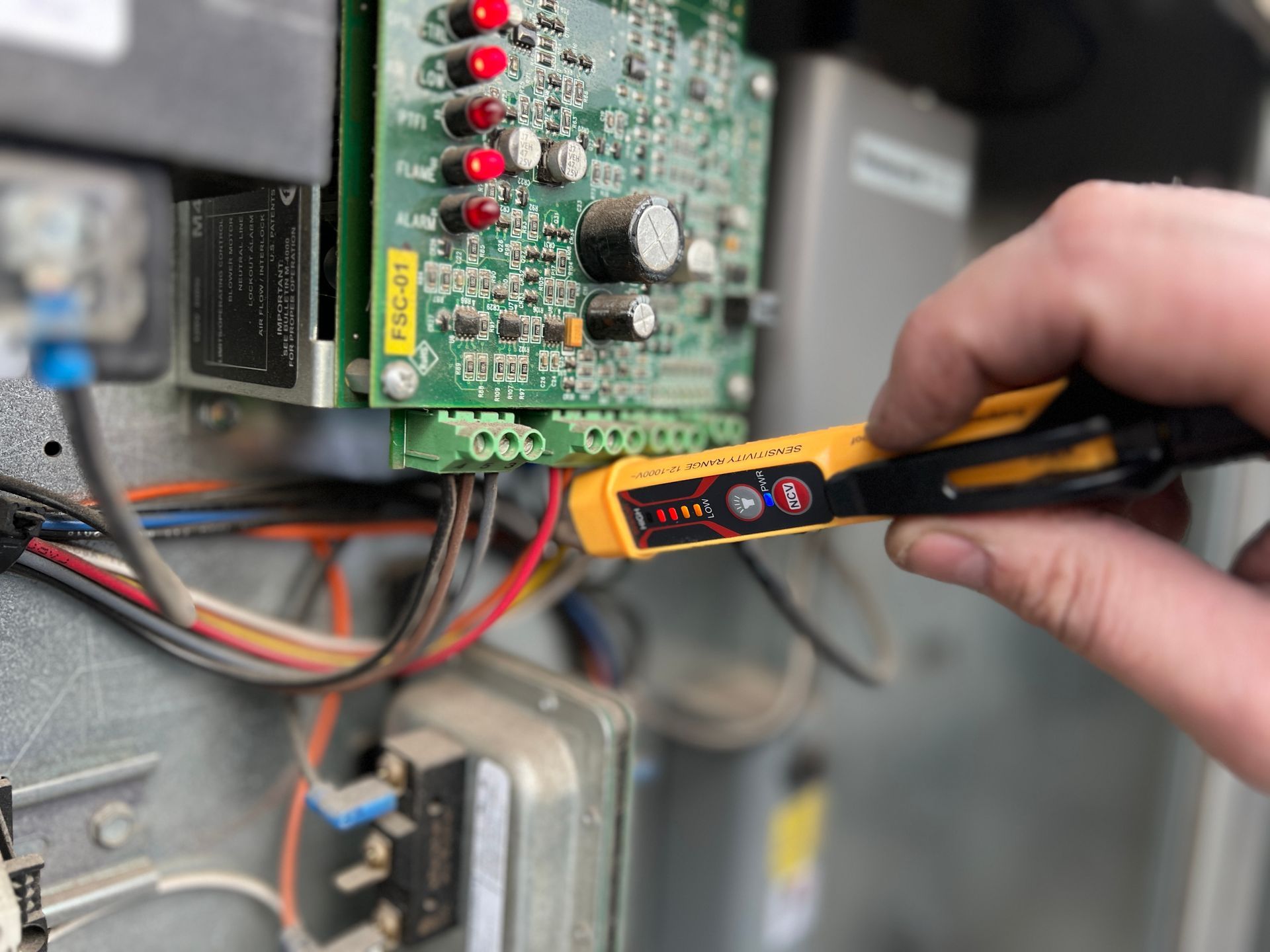
- Power Off the Unit: Always turn off all power before beginning any work to stay safe.
- Remove and Inspect Filters: Take out all filters and cartridges. If disposable, replace them; if reusable, clean with a gentle degreaser and water, then let dry fully before reinstalling.
- Clean Intake and Housing: Use a vacuum or soft brush to remove dust, grease, or debris from the unit’s intakes and access panels.
- Inspect the Blower and Blades: Clean off any accumulated grease or dust on the blower assembly. If blades are hard to reach or heavily soiled, schedule a professional cleaning.
- Check Drain Lines and Heating/Cooling Coils: Clear any blockages or visible buildup to ensure proper drainage and performance.
- Reassemble and Test Run: Carefully reinstall cleaned or new parts, restore power to the unit, and confirm airflow is strong and balanced.
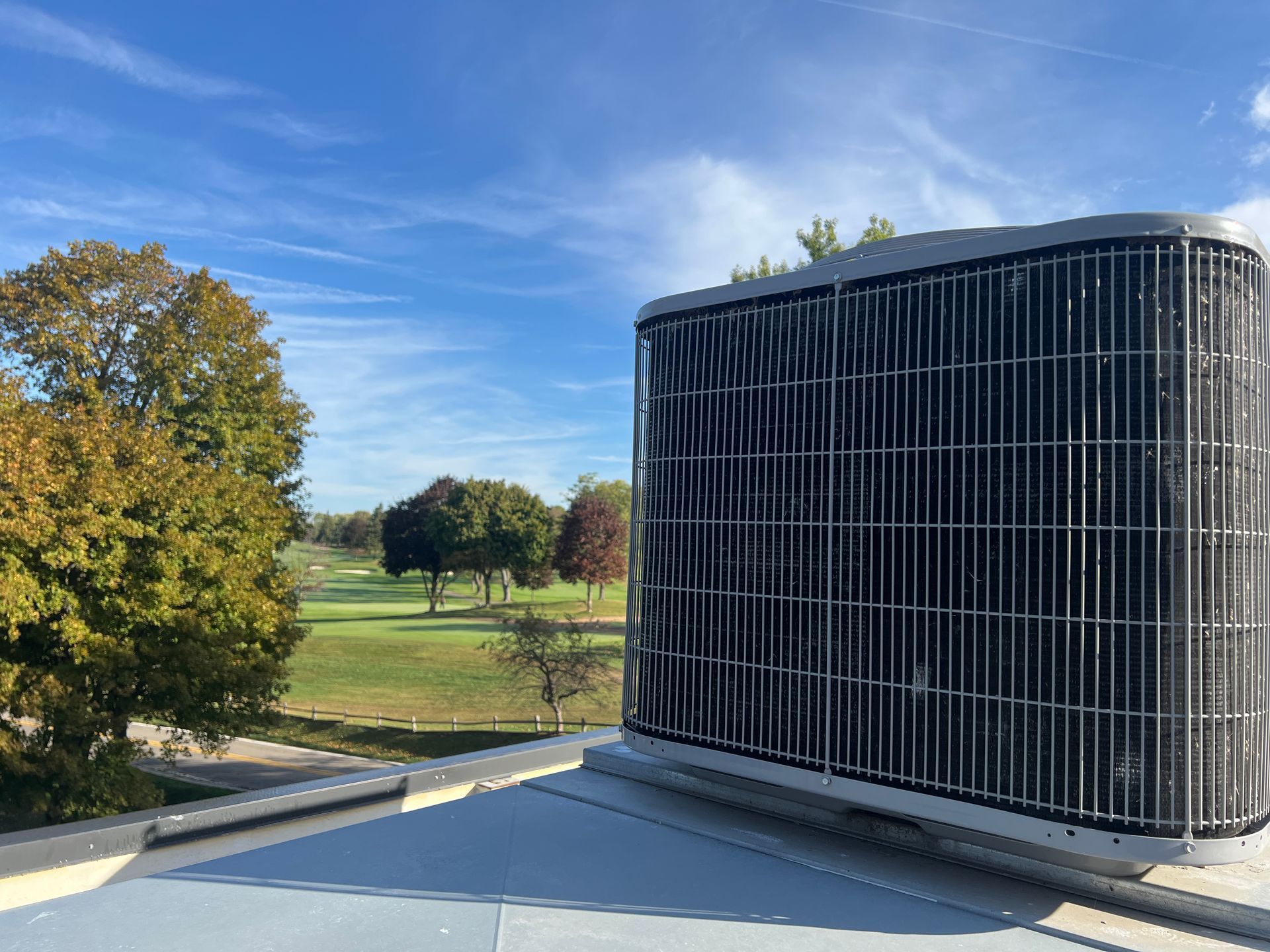
A quick tip to remember: If you see visible dirt, dust, or greasy buildup on or inside the intake, your cleaning schedule is overdue.
Signs Your Make-Up Air System Needs Attention
Most make-up air trouble sneaks up slowly. Common warning signs include:
- Decreased airflow from kitchen vents
- Noticeable temperature swings or humidity issues in the kitchen
- Staff complaints about uncomfortable air or “heaviness”
- Strange noises, frequent cycling, or vibrations from the unit
- Persistent kitchen odors despite the exhaust working
If you spot any of these, call MC² for a full system check and service.
Frequently Asked Questions
How often should a make-up air unit be cleaned?
For most Detroit-area kitchens, cleaning every 3–6 months is recommended, but high-volume and greasy operations may need monthly attention. Always check filters more often during busy seasons.
Can I clean it myself, or should I hire a professional?
You can handle basic filter changes and visible dust removal. For deep cleaning of blowers, coils, or electrical work, trust certified ventilation specialists like MC².
What happens if I skip make-up air maintenance?
Skipping maintenance leads to reduced airflow, higher bills, equipment breakdowns, and possible code violations. It also makes fire or smoke problems more likely in the event of an emergency.
Protect Your Kitchen With Smart Ventilation Maintenance
A clean make-up air unit does more than keep your kitchen comfortable—it protects your team, equipment, and bottom line. Schedule regular cleaning with MC² and keep your Metro Detroit operation breathing easy, no matter how busy the season.
Share This Blog