Why Your Kitchen Gets So Hot and How to Fix It Without Replacing Your Make-Up Air Unit?
If you work in a commercial kitchen in Metro Detroit, odds are you’ve wondered why your kitchen feels like an oven while the dining room stays comfortable. At MC², we hear the same frustration from operators across the area: exhaust hoods are pulling heat and smoke out by the thousands of cubic feet, but the replacement air blasted in by the make-up air unit is just as hot as it is outside in summer. Staff start taping thermometers to the wall, food safety becomes a worry, and you watch turnover rise every year as cooks sweat through intense shifts.
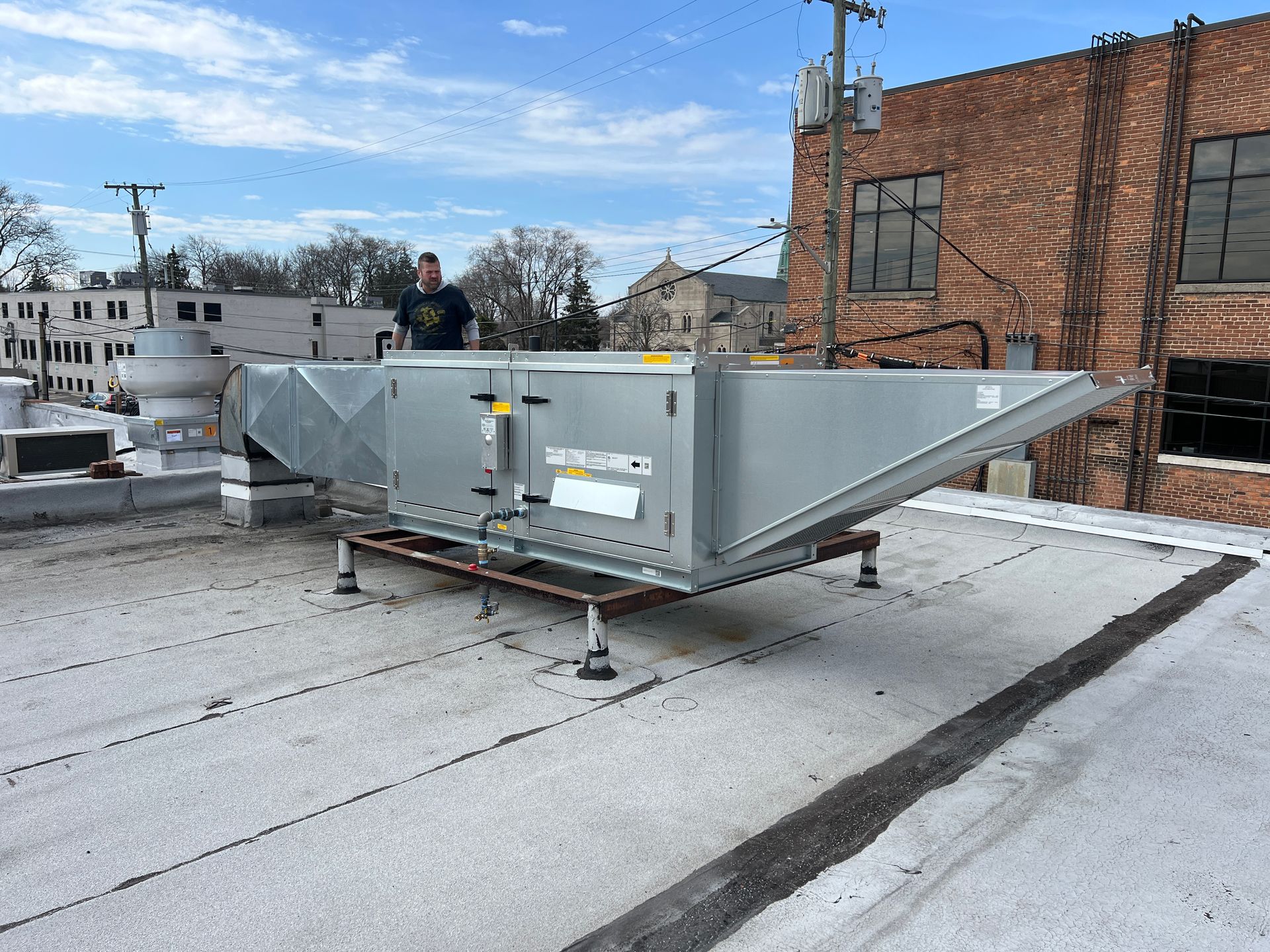
Most kitchens built with direct-fired make-up air (MUA) units only get a break in the winter, when the unit’s burner heats the incoming air for comfort. In the summer, that same unit simply shoves hot, outdoor air straight into the kitchen. Add the relentless heat from cook lines and you quickly see kitchens running 15 to 25 degrees hotter than the front of house. This extreme heat not only crushes productivity and morale, but also strains refrigeration, raises utility bills, and creates food safety risks.
In This Article:
- Why Commercial Kitchens Get So Much Hotter Than the Dining Room
- Why “Just Replace the Unit” Is Usually the Most Expensive—and Wrong—Answer
- The Right Way to Cool Your Make-Up Air: Cooling Coil Retrofits
- Sizing, Placement, and What Actually Makes a Retrofit Work
- How MC² Delivers Results for Metro Detroit Kitchens
Why Commercial Kitchens Get So Much Hotter Than the Dining Room
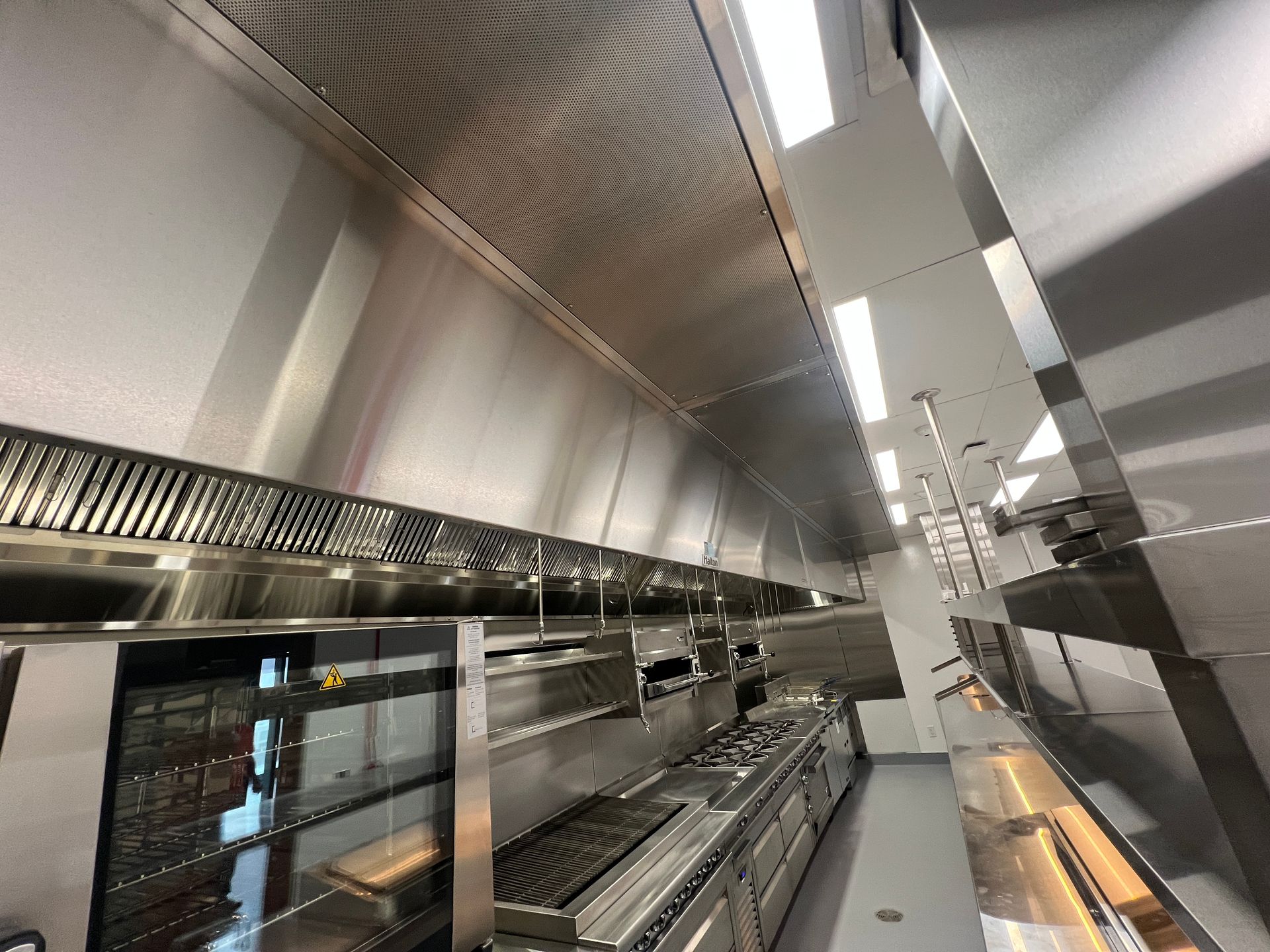
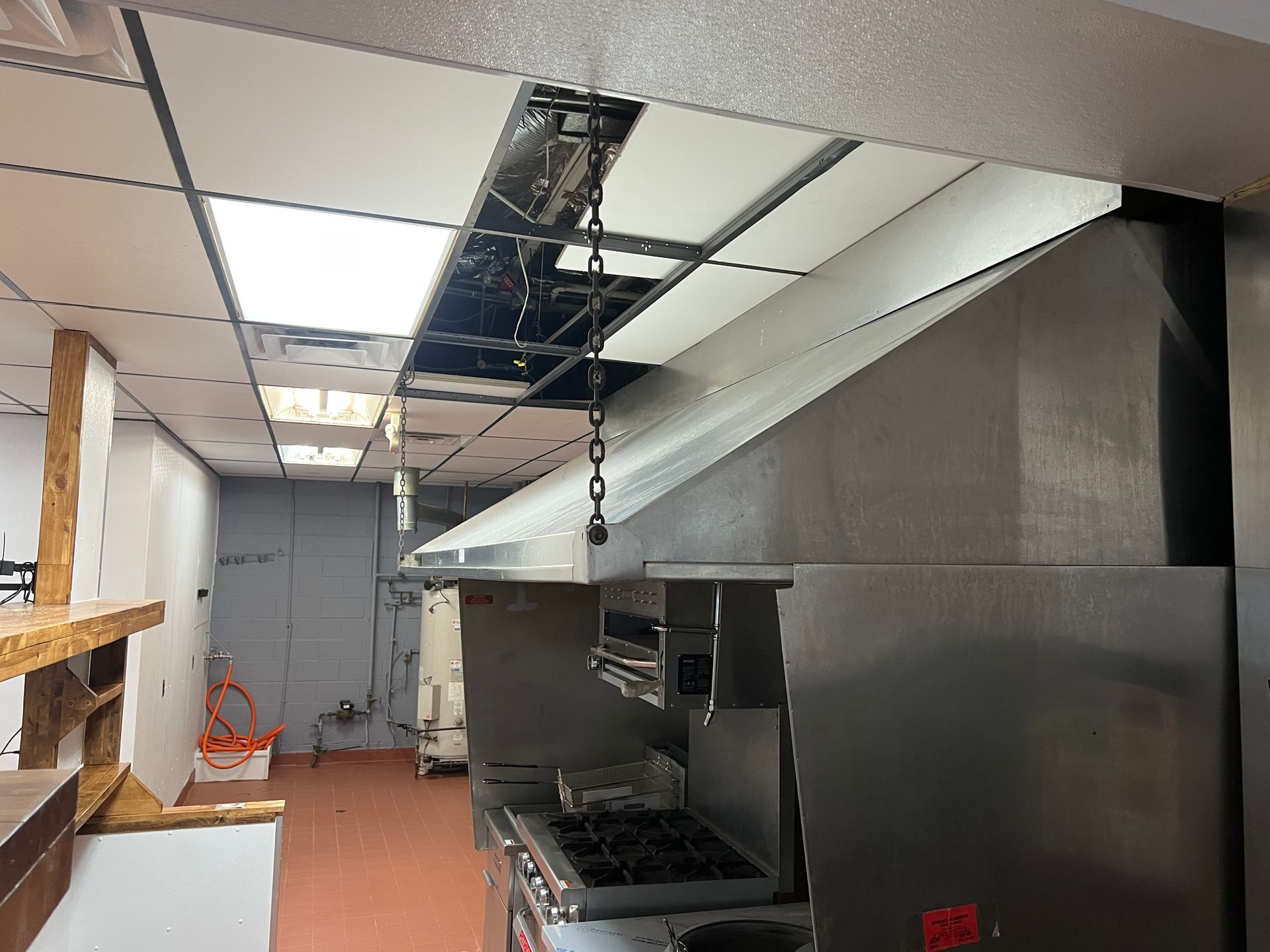
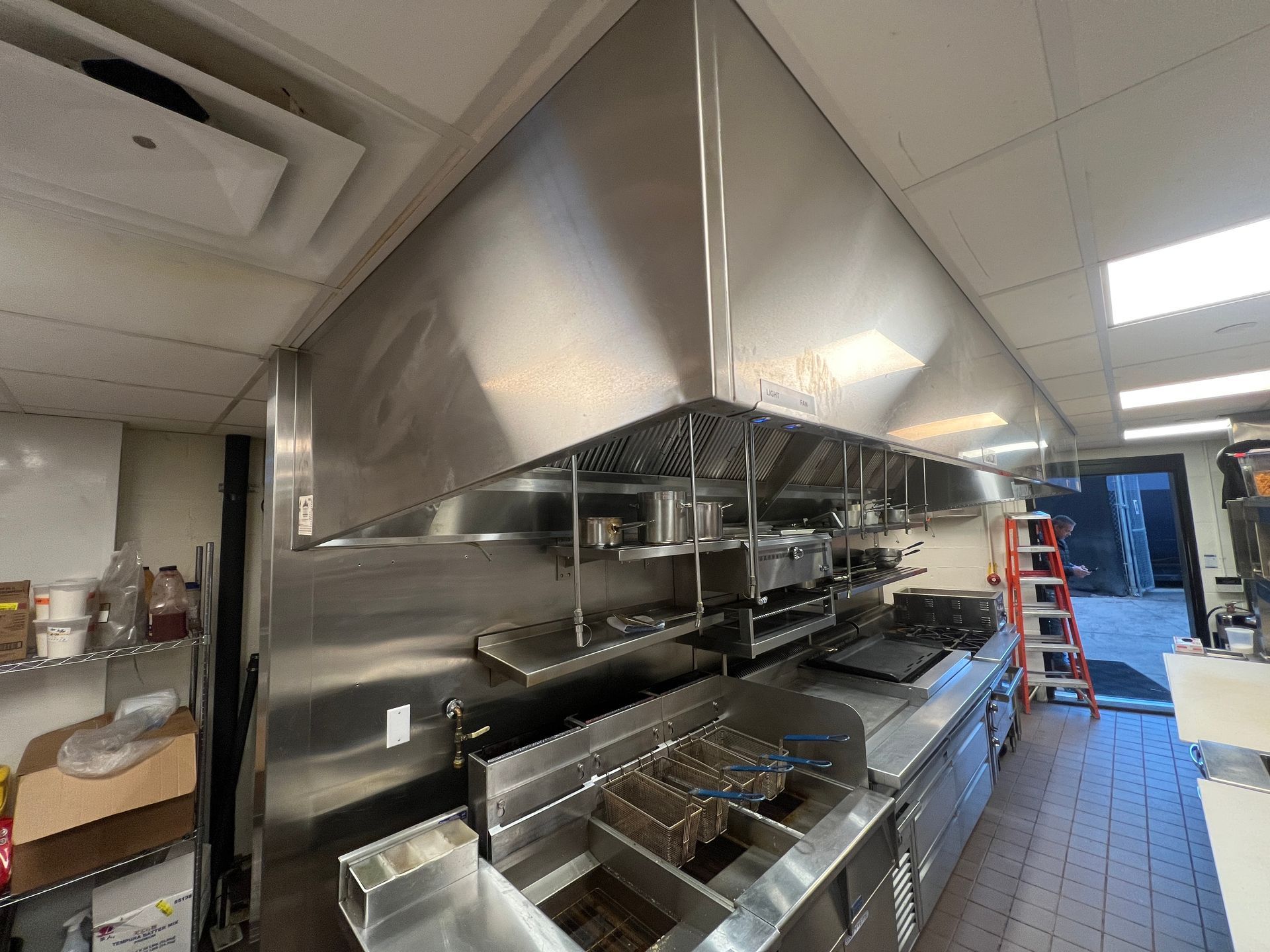
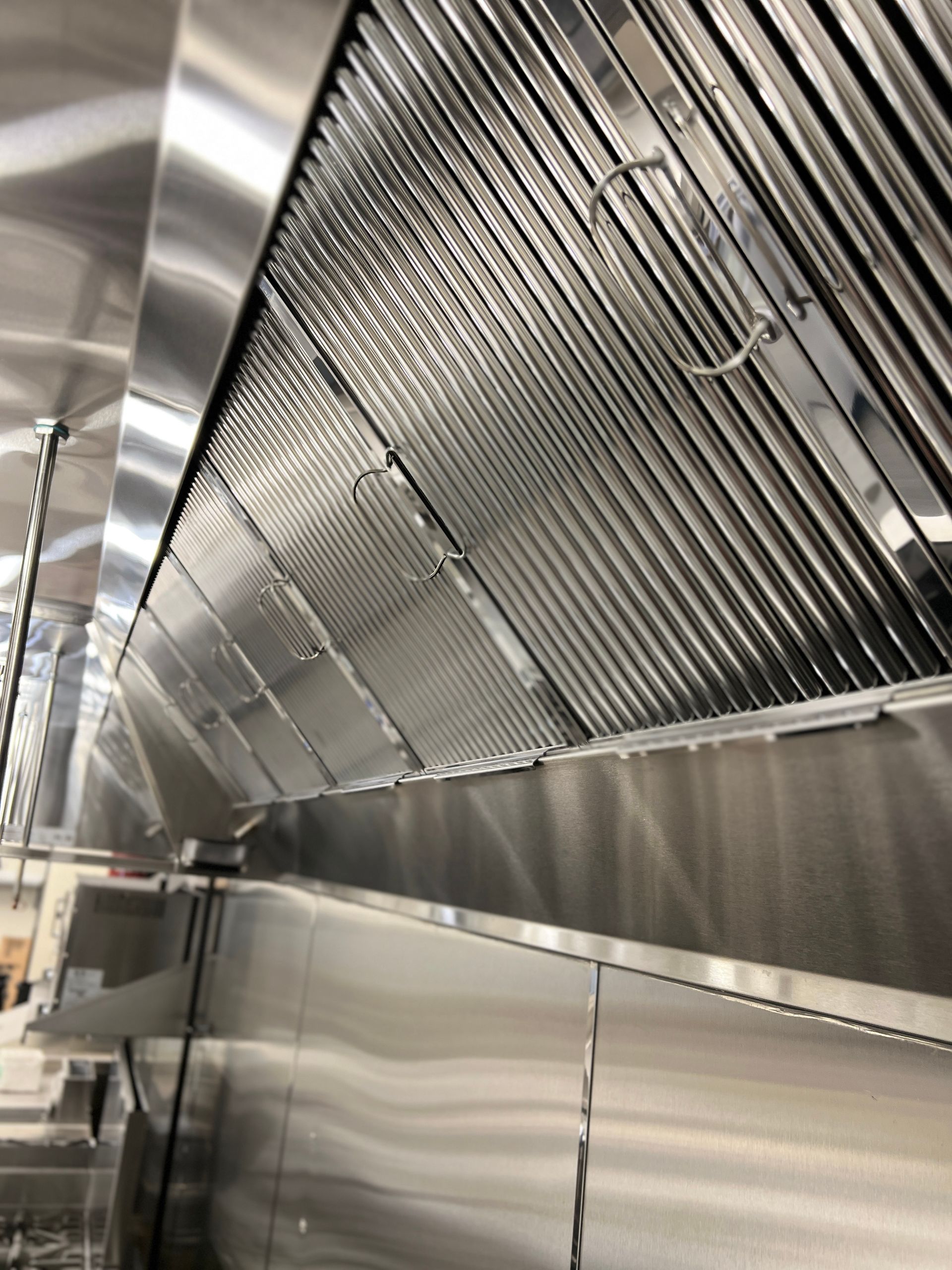
Your kitchen’s exhaust hood is engineered to pull thousands of cubic feet of air out of the building every minute—removing smoke, grease vapor, and steam. That air has to be replaced, or negative pressure would make your doors slam shut. The make-up air unit’s job is to bring outdoor air back in at the same rate, ensuring proper air balance.
Here’s the hidden problem: in summer, direct-fired MUA units deliver outside air at ambient temperature right into the already hot kitchen. On a 90-degree summer day, you’re pumping 90-degree air straight at your cooks and dish team, mixing it with the heat coming off the friers, ranges, and broilers. It’s not unusual in Metro Detroit for kitchen temps to be 15-25 degrees hotter than anywhere else in the building. Cook comfort and food safety margins shrink, staff turnover climbs, and your walk-in cooler and prep tables work doubletime to keep up.
Why “Just Replace the Unit” Is Usually the Most Expensive—and Wrong—Answer
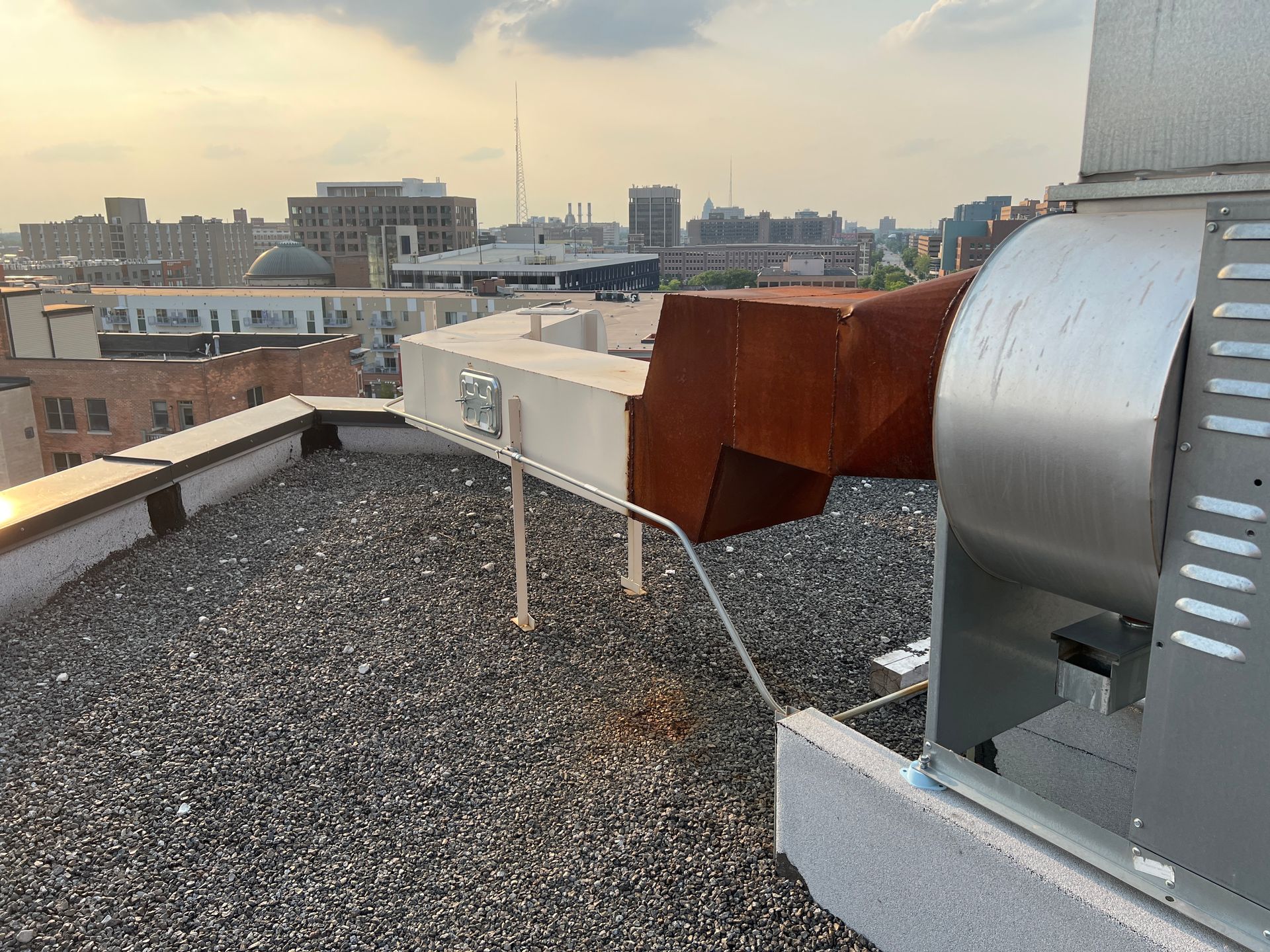
A lot of owners wrongly assume that the only fix is to buy a brand new tempered make-up air unit with built-in cooling. That sounds logical—until you look at the price tag and realize it’s a massive capital expense plus significant install downtime. In reality, most of the direct-fired MUA units running across Detroit can be retrofitted with a DX cooling coil and a matched condensing unit.
This isn’t just a patch job. The existing MUA unit still does its core job: it pulls in the required amount of outdoor air. The coil is installed to chill that incoming air before it enters the kitchen. With a properly engineered retrofit, you can cool the air by 15 or more degrees. So, on a 92-degree afternoon, the kitchen is being supplied 77-degree air instead of 92. That’s the difference between a barely livable kitchen and one that supports your business and your team.
Cooling Coil Retrofits: How They Work and Why They’re Effective
This solution works because it addresses the root problem: supply air temperature. Instead of replacing the whole rooftop unit or dealing with a temporary portable solution, installing a DX coil and condensing unit uses the existing mechanical infrastructure but greatly increases kitchen comfort.
Here are the practical impacts of a cooling coil retrofit:
- Lower Incoming Air Temperature: The incoming air is cooled before it reaches the kitchen, reducing extreme indoor heat
- Protect Staff and Reduce Turnover: Cooler conditions improve morale and cut kitchen burnout
- Support Food Safety: Lower temperatures mean less equipment stress and safer prep conditions for staff
- Extend Equipment Life: Reduces the load and failures on refrigeration and other temperature-sensitive machinery
A quick tip to remember: Most kitchens can achieve a 10-20 degree supply air temperature drop by adding a properly engineered cooling coil—without a full unit replacement.
Sizing, Placement, and What Actually Makes a Retrofit Work
This is not a one-size-fits-all upgrade and shouldn’t be treated like a simple bolt-on accessory. Sizing the coil must be based on the actual measured airflow of your existing unit—not a “close enough” guess. The coil and condensing unit have to match not only each other, but the specifics of the air handler serving your kitchen.
Just as critical is placement: install the coil in the wrong section and you risk creating condensate issues—water that can flow downstream and damage your equipment. Controls matter too. Heating and cooling cycles must be interlocked so the system never fights itself, especially as ambient temperatures go up or down. And with new refrigerant regulations rolling out across Metro Detroit and the US, choosing equipment that uses compliant refrigerants (like A2L-approved) is now required for a regulation-safe retrofit.
If these factors get ignored, the result is water leaks, system failures, or energy waste. When sized and installed correctly, you get years of smooth, efficient cooling that’s nearly invisible to staff—except for how much more livable the kitchen becomes.
How MC² Delivers Results for Metro Detroit Kitchens
At MC², every cooling retrofit starts with hands-on measurement of your actual airflow. We don’t guess our way through design: the coil and condenser are custom-matched, and the controls are integrated so the heating and cooling modes never compete. Every project is performance-verified, not just assumed “good enough.” Our experience as an Authorized Service Agent for leading equipment ensures every retrofit is compatible with your current rooftop fleet—no finger-pointing if questions arise later.
MC² handles design, installation, and long-term maintenance—one team, one contract. Our approach protects your investment, maximizes comfort, and ensures code compliance from day one. For restaurants, cafeterias, commissaries, and kitchens all over Metro Detroit, we deliver the cooling retrofit that keeps your people productive and your business thriving, even when the summer heat is at its peak.
If you’re battling kitchen heat all season, there’s a smart fix that doesn’t require replacing your make-up air unit. Reach out to MC² for an airflow and cooling evaluation—and give your team the comfort and support they deserve.
Share This Blog