The Top Hood Options for Burger Chains
Burger chains operate nonstop and handle high heat and even higher grease loads, so choosing the right exhaust hood is absolutely mission-critical. For Metro Detroit operators, this decision influences everything—safety, air quality, efficiency, inspections, and long-term performance. At MC², we know that burgers are the single largest source of grease among restaurant foods, with kitchen systems working harder and ducts filling up quicker than nearly any other concept.
Here’s how to make the smartest choice for your ventilation—plus MC²’s trade-backed advice for keeping burger kitchens safe and reliable.
In This Article:
- The Demands of Burger Kitchens
- The Best Hood Design for Burger Operations
- Key Features for High-Output Grease Control
- Local Code, Duct Design, and Cleaning Schedules
- Frequently Asked Questions
The Demands of Burger Kitchens
Burger chains strain ventilation systems in ways other kitchens rarely do.
- High-volume griddles, fryers, and charbroilers keep grease, vapor, and heat flowing all day
- Open kitchen and fast-casual designs require quiet, efficient, and attractive hoods
- Long service shifts mean equipment is ON for hours, compounding air and duct buildup
The Best Hood Design for Burger Operations
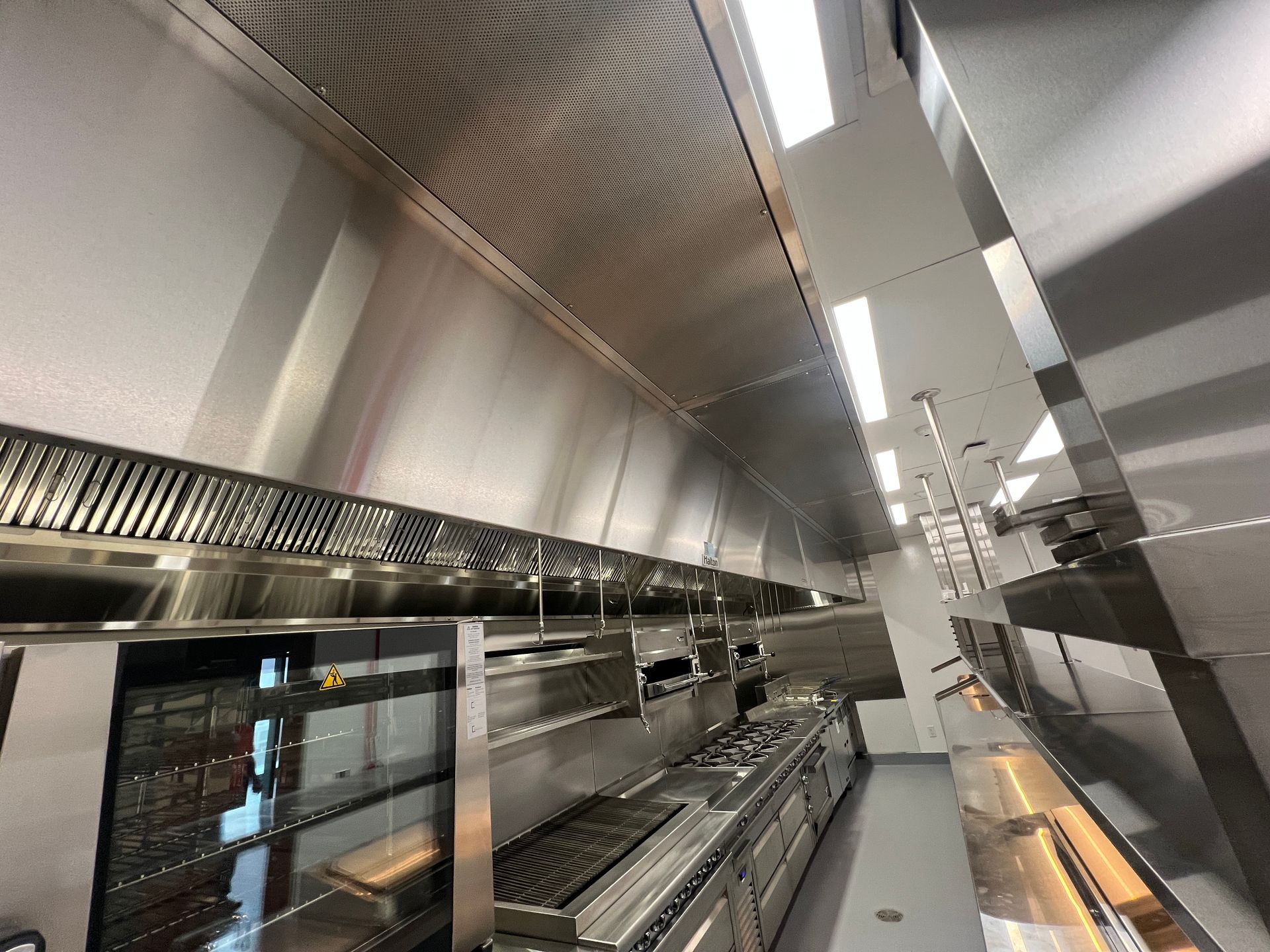
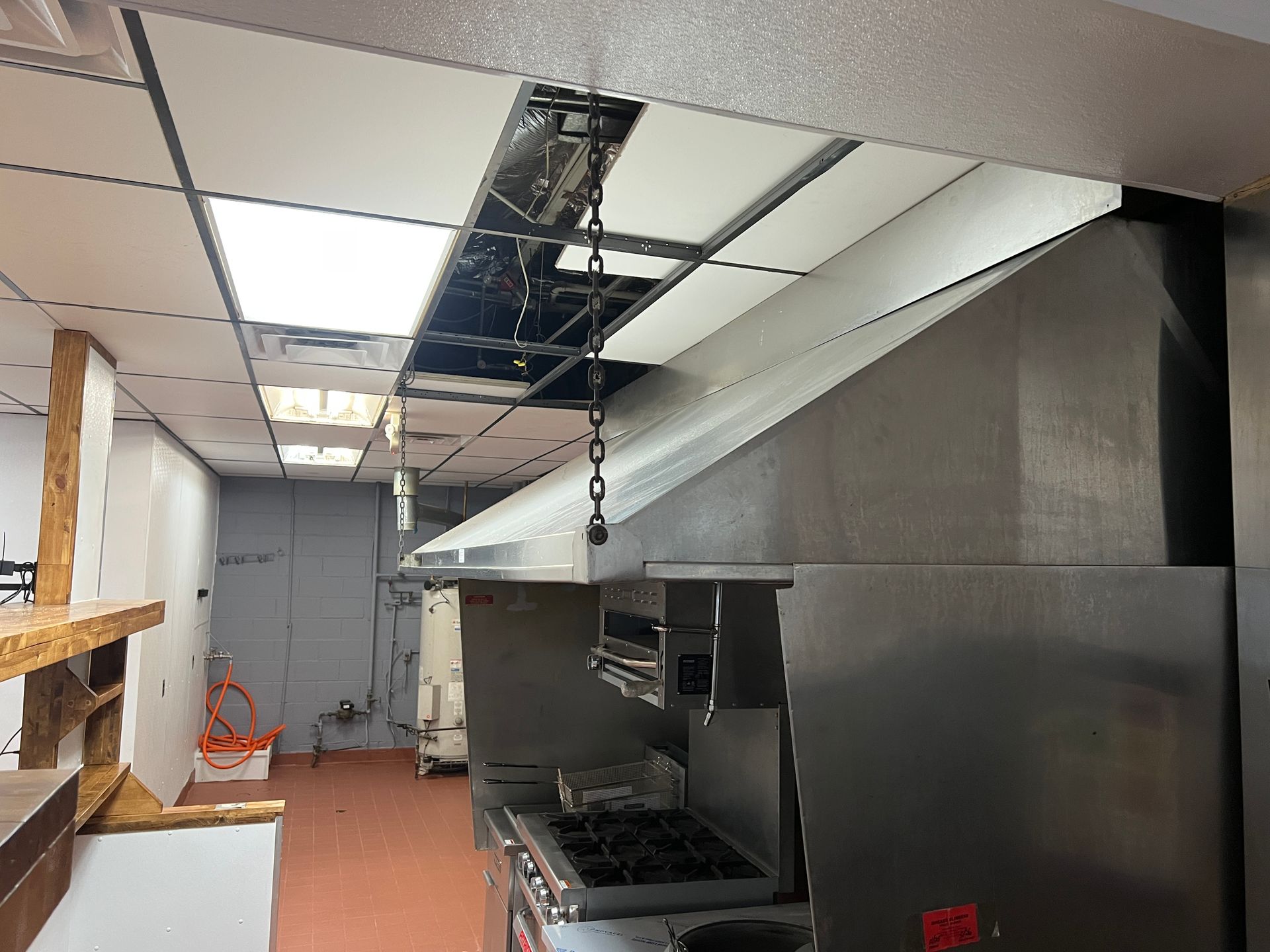
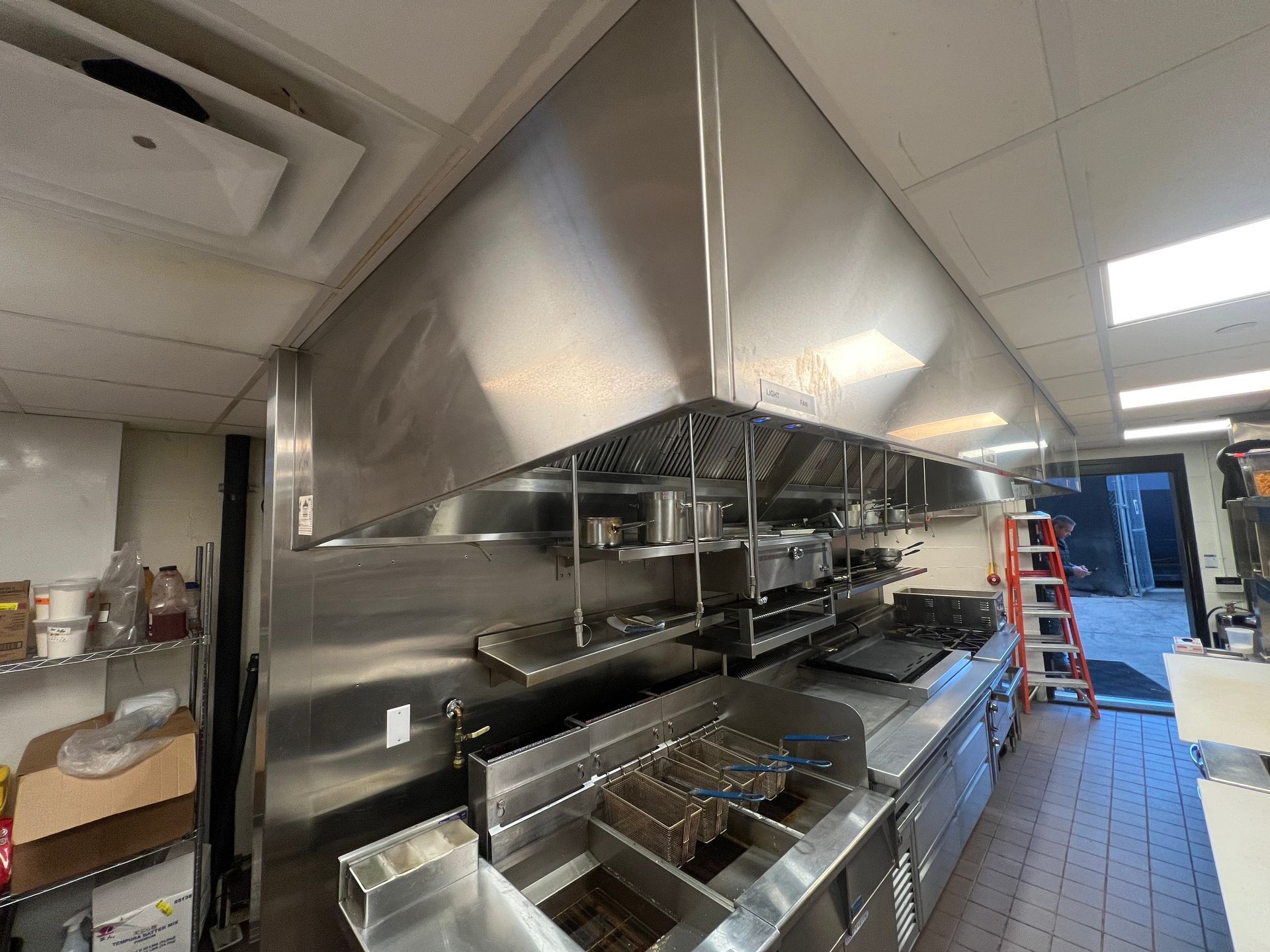
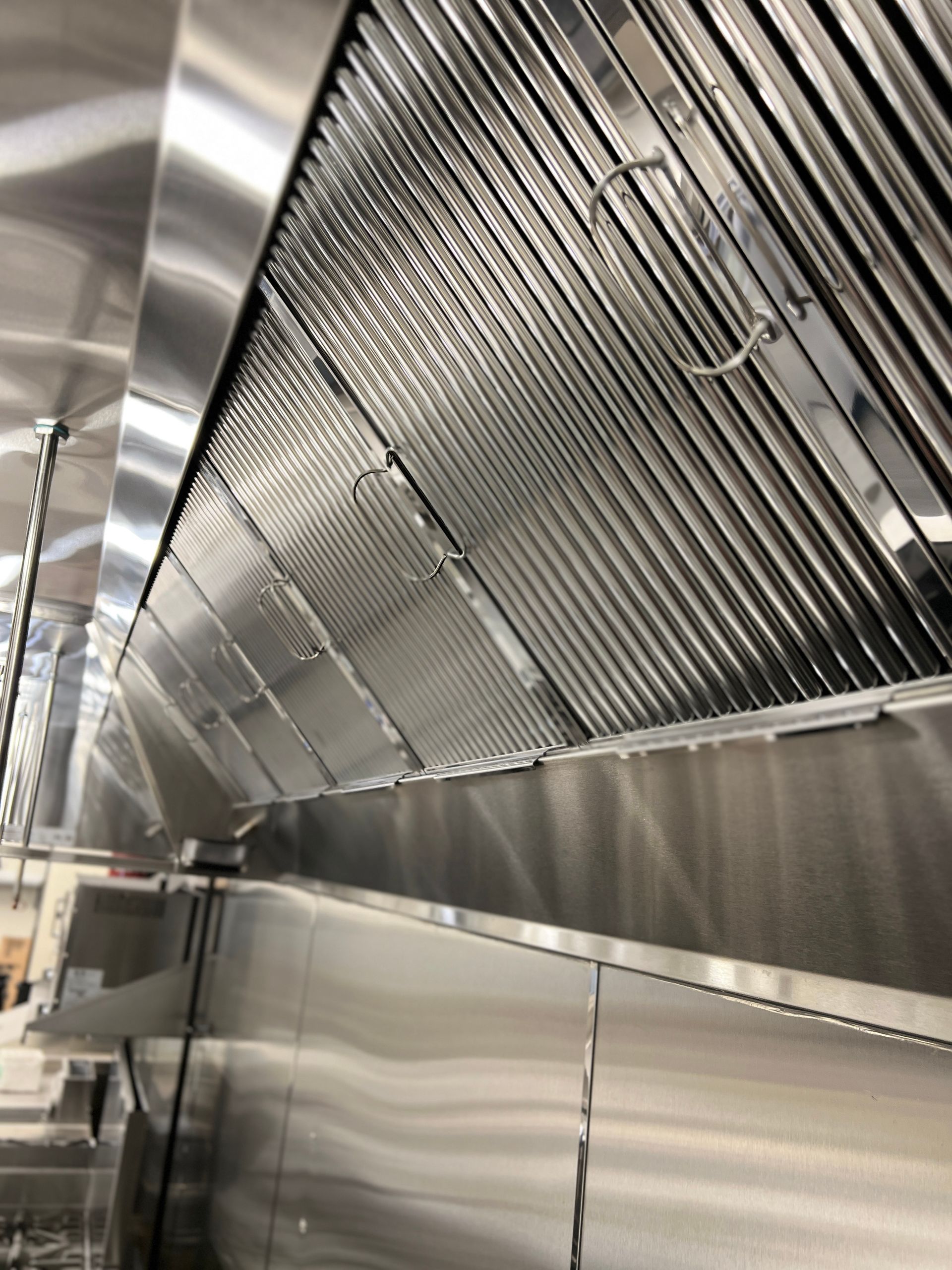
The recommended setup for most burger operations is a canopy hood, either wall-mounted or island style. Canopy hoods offer the widest smoke and vapor "capture zone" while allowing smoke and grease to be captured efficiently at the lowest possible CFM (cubic feet per minute) exhaust rate—a major energy and cost saver.
A properly sized canopy hood—paired with Type I grease-rated construction—captures and contains grease directly over the cook line. This not only supports everyday cleaning but also meets code for Detroit-area inspectors.
Trade insight: Burgers generate more airborne grease than nearly any other menu item. A well-designed duct system is required to keep grease suspended in the airstream, preventing buildup and creating a safer, longer-lasting system.
Key Features for High-Output Grease Control
- Deep Grease Troughs: Absorb runoff and keep cleaning easier and safer
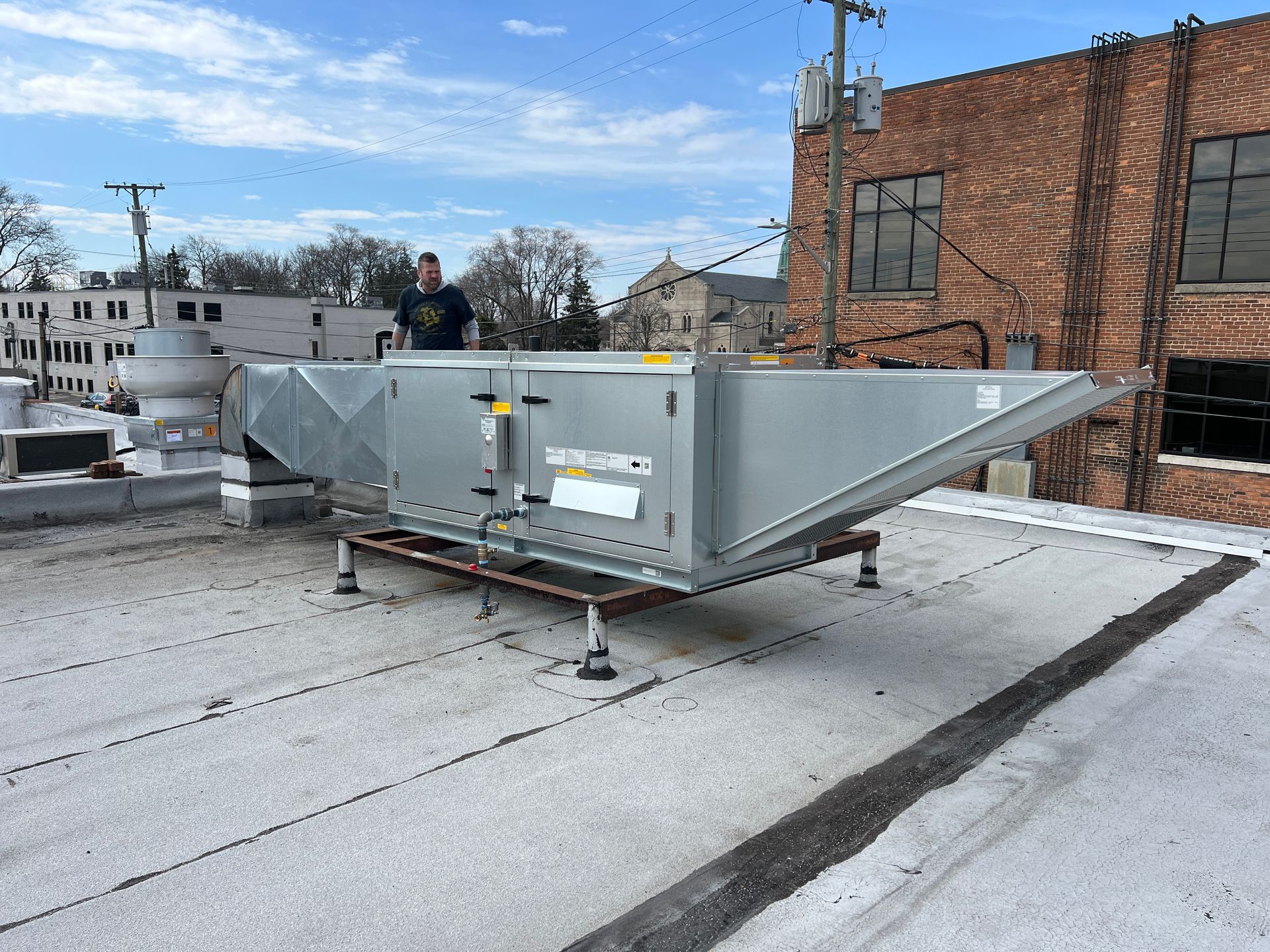
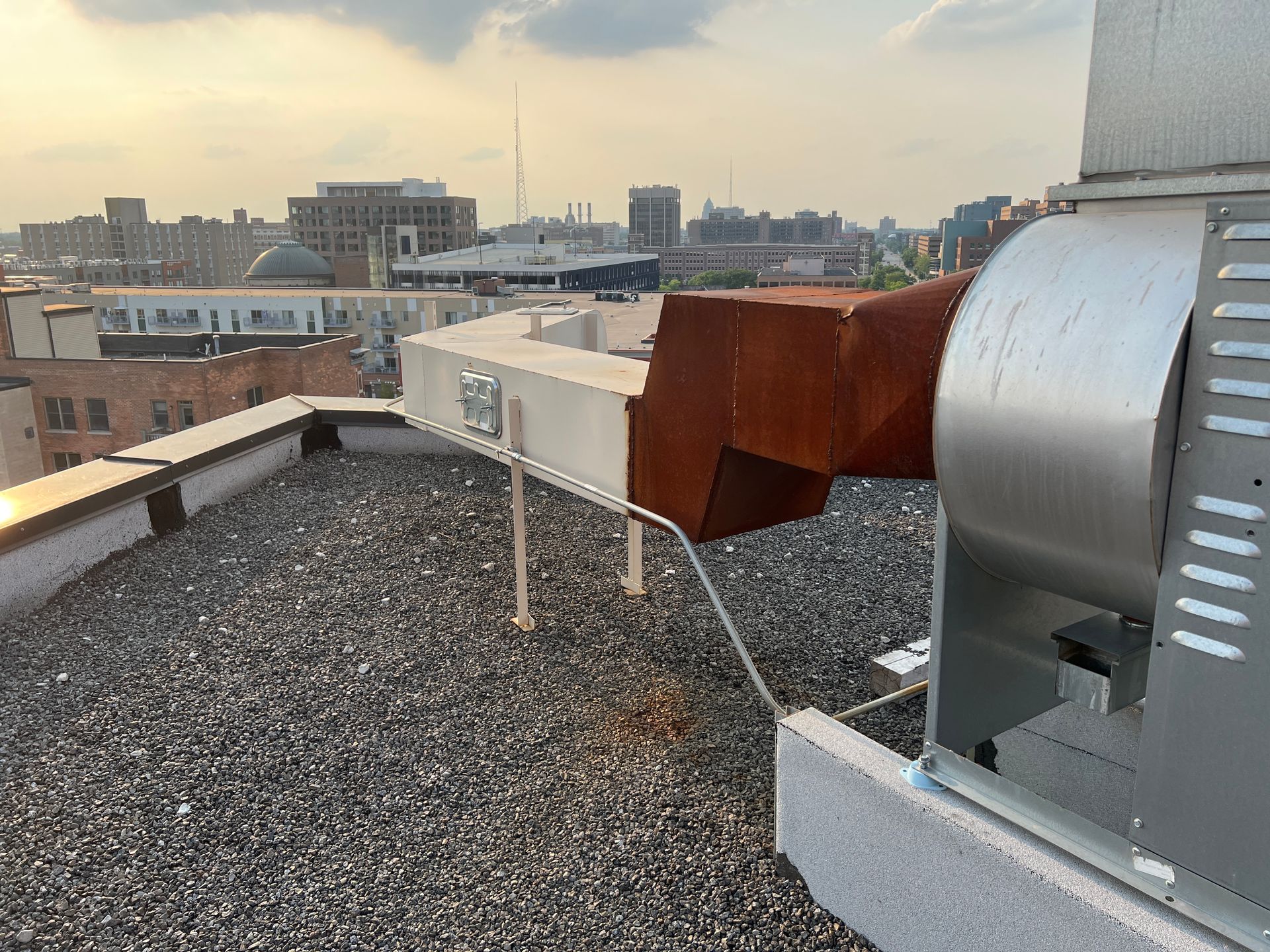
- Proper Duct Sizing and Routing: Ensures grease and vapor will stay suspended—inadequate or poorly designed ductwork lets grease settle and clog the system
- Fire Suppression Integration: No burger operation is code-compliant without an approved fire suppression system integrated with your canopy hood
- UL 710 Certification: Confirms your hood’s grease extraction and safety performance
Local Code, Duct Design, and Cleaning Schedules
Detroit, Warren, Southfield, and other local markets enforce specific requirements for exhaust volume, distance from combustibles, and fire protection. But for burger chains, the real secret to controlling risk and cost lies in regular maintenance. Most leading burger brands are on a **monthly duct and hood cleaning schedule** to keep buildup at bay and systems efficient.
If your ductwork isn’t designed to keep grease suspended until it exits the building, you’ll see more deposits, more clogs, and higher fire risk. MC² always recommends a detailed duct and airflow assessment before finalizing your hood choice, ensuring compliance and the safest, most reliable setup.
Frequently Asked Questions
How often should I have my burger kitchen hood and ducts cleaned?
Large burger chains typically clean both ducts and hoods monthly. For smaller or mid-volume operations, never exceed a quarterly schedule—monthly is safest in high-output kitchens.
What’s the advantage of a canopy hood over other designs?
A canopy hood provides a large capture area and allows you to hit required smoke removal at the lowest CFM, improving energy efficiency and safety, especially with high grease loads.
Why does duct design matter so much for burgers?
Proper ductwork keeps grease suspended in the airstream, helping prevent buildup that leads to clogs and fire hazards. Burger kitchens without proper duct management see much faster accumulation and higher risk.
Set Your Burger Kitchen Up for Lasting Safety and Performance
If burgers are your business, don’t settle for a generic hood. Trust MC² for canopy hood design, proper duct routing, and an expert cleaning schedule built for the highest grease loads. That’s how leading chains stay code-compliant, safer, and ready for every rush in Metro Detroit. Book a ventilation assessment and get your kitchen working smarter and safer—every shift, every day.
Share This Blog