Steps to Take in a Kitchen Ventilation Emergency
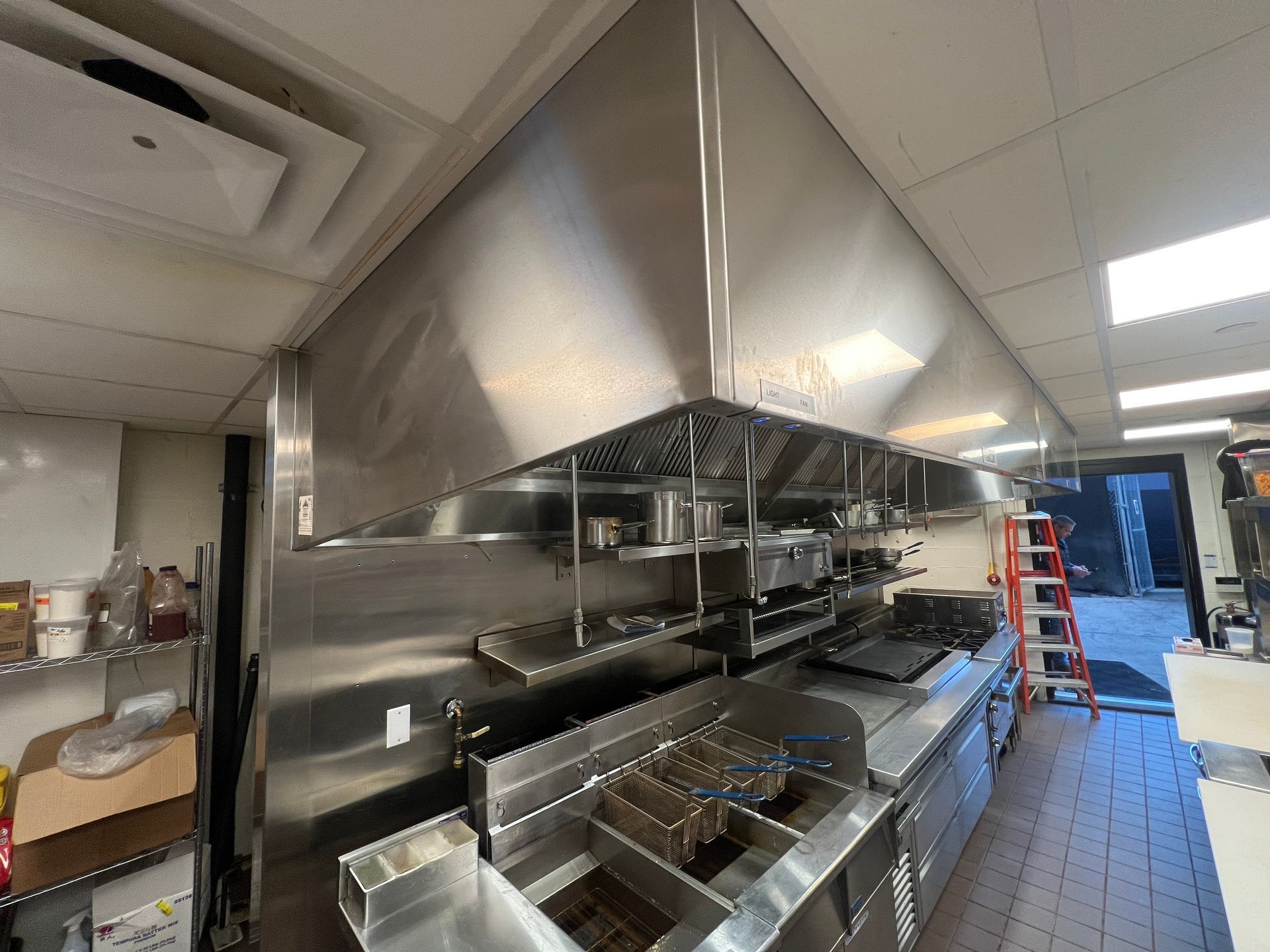
Kitchen ventilation emergencies rarely strike with warning, especially in the demanding pace of Metro Detroit’s foodservice industry. Michigan Commercial Mechanical Contracting LLC has seen how a single issue—a hood fan that quits, smoke that won’t clear, or a sudden loss of airflow—can force a restaurant to halt service and scramble for answers. These situations are disruptive, expensive, and often create immediate safety risks for both staff and customers.
When fire suppression or ventilation emergencies happen, every minute matters. Acting quickly is essential, but it’s not always obvious what to do—and a single missed step can cost thousands or keep your kitchen closed far longer than necessary. Knowing the right sequence is the difference between a routine recovery and a prolonged, expensive shutdown. Here's what Metro Detroit kitchen managers and owners need to know when disaster strikes.
In This Article:
- Stage 1: Assess the Emergency and Ensure Safety
- Stage 2: Suppression System Discharge—Why Immediate Action Is Critical
- Stage 3: Communicate and Prevent Further Damage
- Stage 4: Contact Professionals and Speed Up Recovery
- Frequently Asked Questions
Stage 1: Assess the Emergency and Ensure Safety
- Stay Calm and Recognize Warning Signs: Smoke buildup, odd noises, or a total loss of airflow are all emergencies. Instruct staff never to attempt workarounds.
- Shut Down All Cooking Equipment: Stop the use of all burners, ovens, fryers, or grills. Continuing to cook without proper ventilation is a top cause of fires and health violations in Detroit.
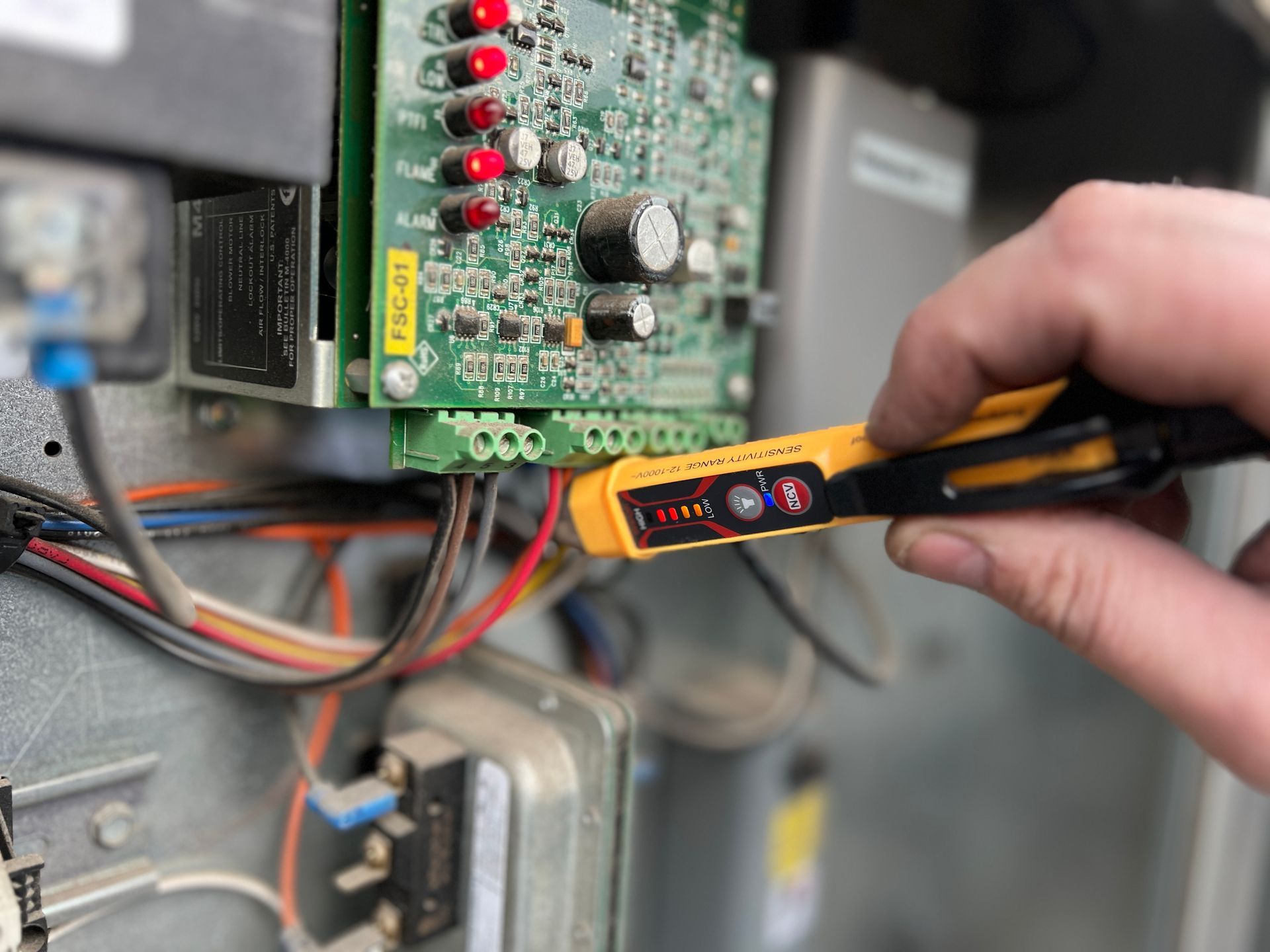
- Cut Power if Mechanical Danger Exists: Burning smells or fan failures may require shutting off breakers to prevent further system or electrical damage.
- Evacuate if Needed: If smoke, alarms, or suppression discharge threaten safety, evacuate staff immediately—an important consideration in older Detroit and Ferndale locations with tight spaces.
► The most crucial urgency fact: Cooking without operating ventilation is the fastest way to trigger kitchen fires and code violations in Southeast Michigan.
Stage 2: Suppression System Discharge—Why Immediate Action Is Critical
This is the step most owners do not know about, and it’s the expensive one to miss. If your wet chemical fire suppression system discharges, you are on the clock. The fluid left in the lines will begin to crystallize. If that happens, the lines can no longer be cleared and must be replaced—an expensive repair with major downtime.
You need your licensed fire suppression service company on site within 12 hours to blow out the lines and prevent crystallization. Make that call immediately, not the next morning. If handled within that window, you can simply recharge your system. If handled late, you are looking at full line replacement and a kitchen that stays closed until it’s done.
Stage 3: Communicate and Prevent Further Damage
- Notify All Staff: Let kitchen and front-of-house staff know there’s an emergency issue, and assign roles for guest communication if service is interrupted.
- Document Everything: Snap photos or take quick video of failed system controls, alarms, or damage. This speeds up the insurance and troubleshooting process.
- Protect Food and Equipment: Cover exposed ingredients and remove cookware from affected areas until ventilation is restored.
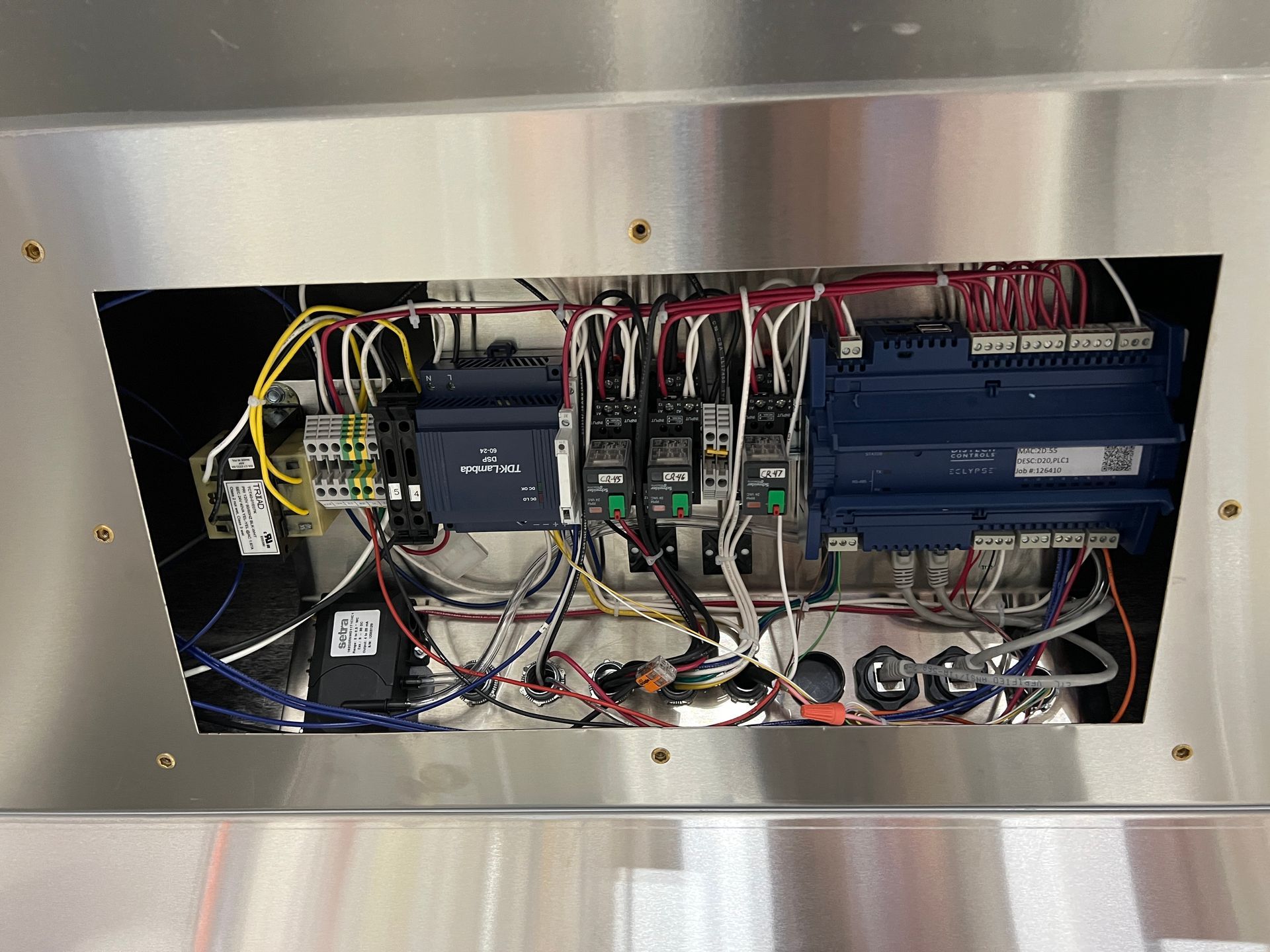
- Skip DIY Repairs: Don’t let staff or maintenance attempt to fix or bypass damaged systems. Improvising can worsen fire, electrical, or air quality risks.
Stage 4: Contact Professionals and Speed Up Recovery
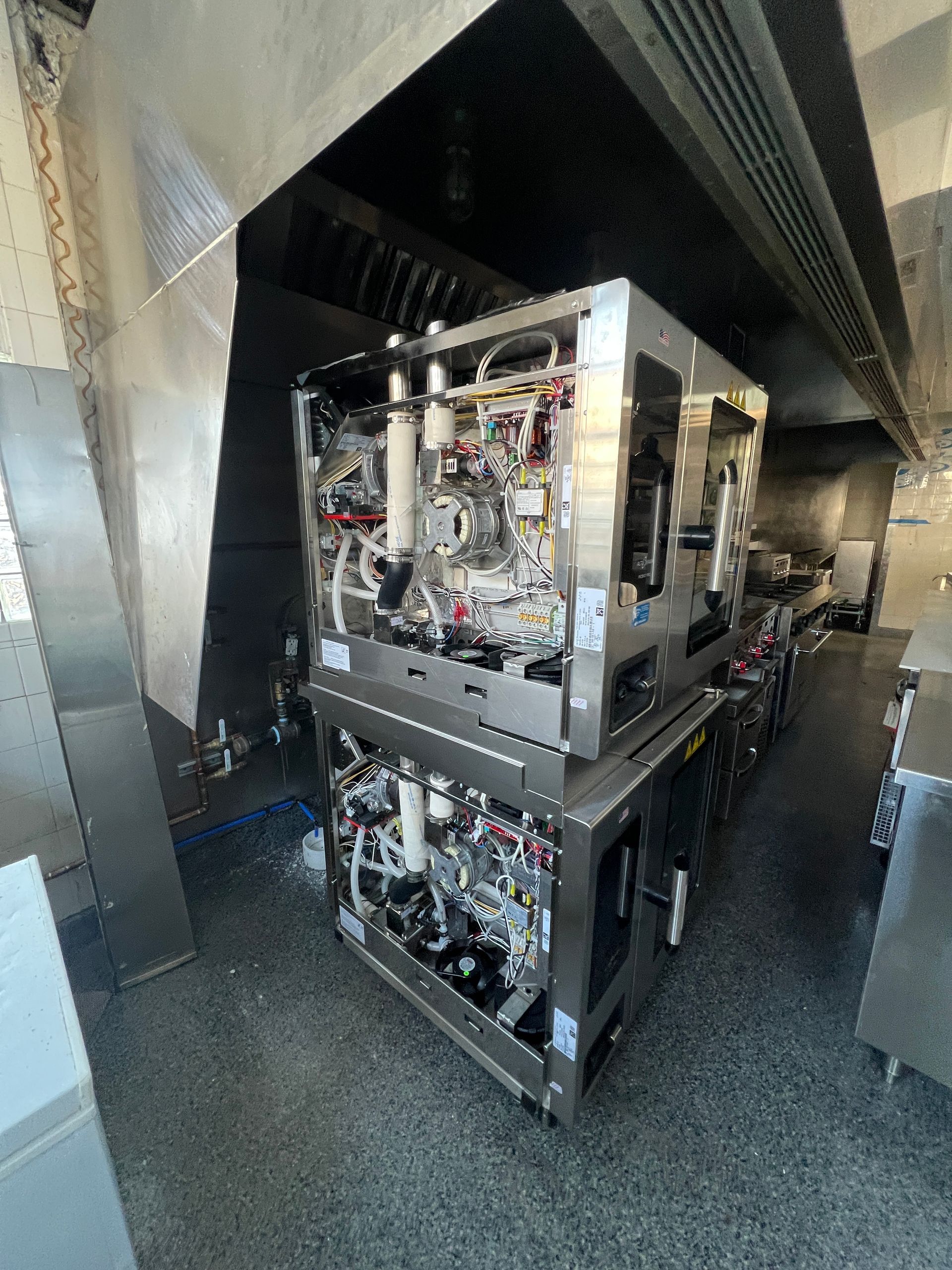
- Call MC² or Your Chosen Local Service: In Metro Detroit, MC² is one of the only companies that stocks common exhaust and make-up air parts, plus motors and emergency replacement fans in their warehouse. In many cases, they can dispatch same day and get you operational hours after a call.
- Relay the Details: Provide the clearest possible account of what failed, what systems are affected, any alarm codes, and what safety steps you’ve already taken.
- Request Emergency Inspection, If Needed: If code violations or suppression activation occurred, a follow-up inspection may be required before reopening.
- Schedule Post-Repair Maintenance: Once back online, set up a deeper inspection to address root causes and prevent another emergency.
Frequently Asked Questions
If my suppression system discharges, can I wait until morning to call for service?
No. The fluid left in the system starts to crystallize right away. To avoid full replacement of the suppression lines, your service provider must clear the system within 12 hours. Call the moment you know it’s discharged.
How quickly can MC² get my kitchen back up and running?
In many cases, same day. MC² is one of the only companies in Greater Detroit that stocks exhaust and make-up air parts, carries key motors and components in service vans, and has replacement fans on hand. Fast action and local inventory mean most emergencies are resolved in hours, not days.
Are older or retrofit kitchens at higher risk for emergencies?
Yes, absolutely. Kitchens in Detroit, Clawson, and Madison Heights with older or non-standard ventilation and suppression setups see more frequent shutdowns. Regular maintenance and knowing who to call can make all the difference.
Act Fast and Minimize Downtime in an Emergency
Responding to a ventilation or suppression event isn’t just about speed—it’s about knowing the right steps to take, right away. Prioritize immediate safety, call professionals within the critical window, and work with MC² who is ready with parts and solutions. Preparation today means your kitchen gets back to serving tomorrow.
Share This Blog