Signs Your Kitchen Ventilation Is Failing Before It Fails
In any busy Metro Detroit restaurant, the ventilation system is the unsung hero—removing heat, smoke, grease, and odors while keeping the kitchen comfortable and the food safe. At MC², we see too many kitchens waiting until their system breaks down completely before calling for help. The good news? Your kitchen ventilation system almost always gives off warning signs before it fails. Recognizing these early indicators can save you thousands in repairs, prevent sudden shutdowns, and protect your reputation.
Catching trouble early is critical in a demanding foodservice environment. Well-tuned ventilation doesn’t just meet code—it keeps your people, your cooking, and your bottom line protected. Here’s how to spot trouble before it stops your kitchen cold.
In This Article:
- Rising Temperatures and Stuffy Air in the Kitchen
- Persistent Smoke or Cooking Odors Linger
- Unusual Noises or Vibrations from Fans and Ducts
- Grease Buildup on Surfaces or Equipment
- Inconsistent Airflow and Hot/Cold Spots
- Frequently Asked Questions
Rising Temperatures and Stuffy Air in the Kitchen
One of the first signs your kitchen ventilation is failing is a noticeable increase in temperature or humidity, especially compared to previous weeks. If your staff is complaining about the heat or you notice the kitchen feels “stuffy” even when all equipment is working, your ventilation may be losing efficiency. Often, this comes from clogged filters, worn-out fan motors, or hidden duct obstructions.
→ From a professional standpoint: A sudden need to run extra fans or open doors to stay cool is almost always a red flag for underlying ventilation trouble.
Persistent Smoke or Cooking Odors Linger
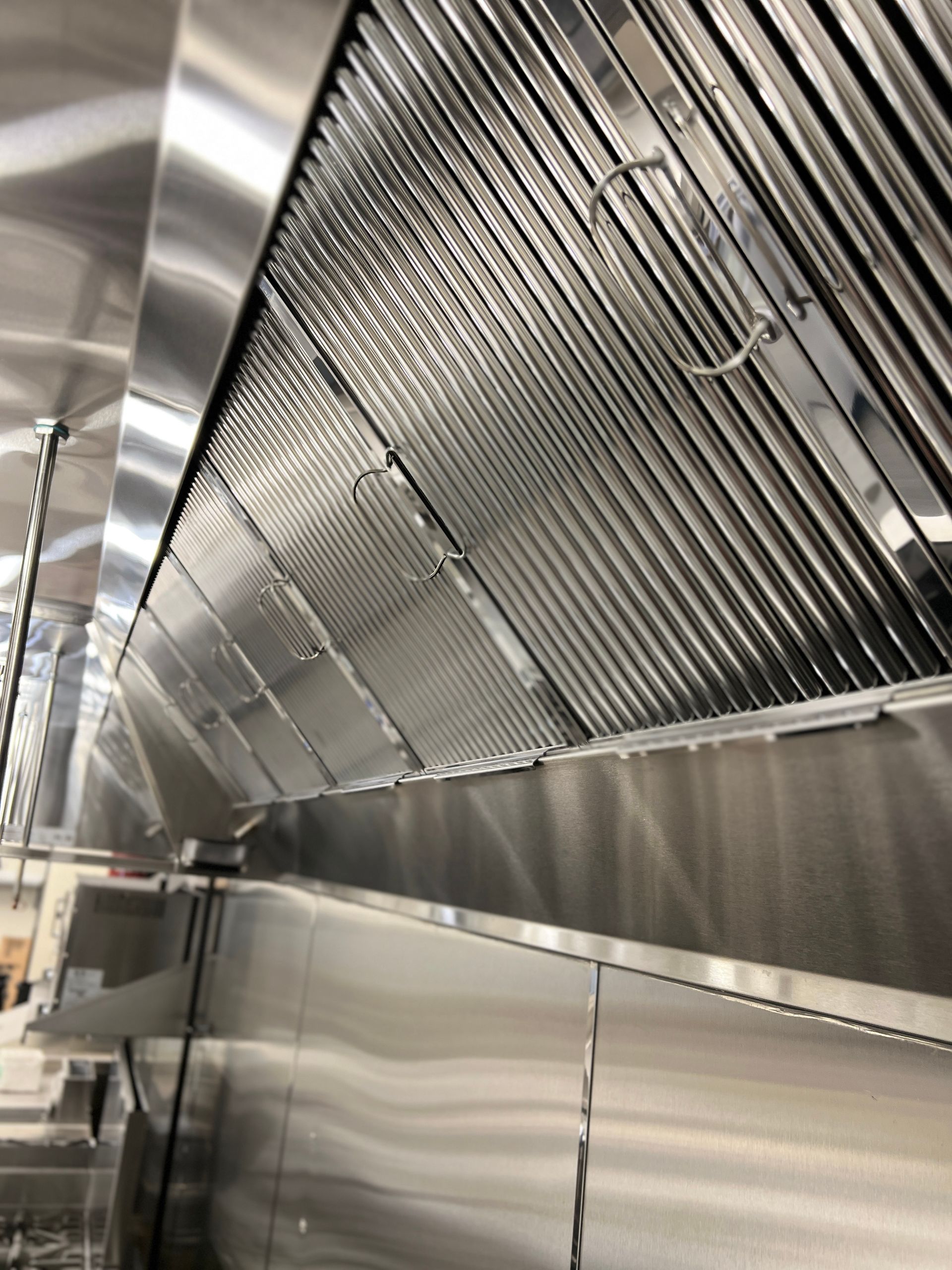
If smoke, vapor, or strong kitchen smells linger longer than they used to, your exhaust system may not be moving enough air. This can result from dirty or clogged hood filters, slow-moving fans, or grease accumulation deep in the ductwork. The risk isn’t just discomfort—airborne grease particles can settle throughout the kitchen, increasing fire and slip hazards.
A quick tip to remember: If customers start noticing kitchen odors in the dining room, your airflow problems are well beyond a quick fix.
Unusual Noises or Vibrations from Fans and Ducts
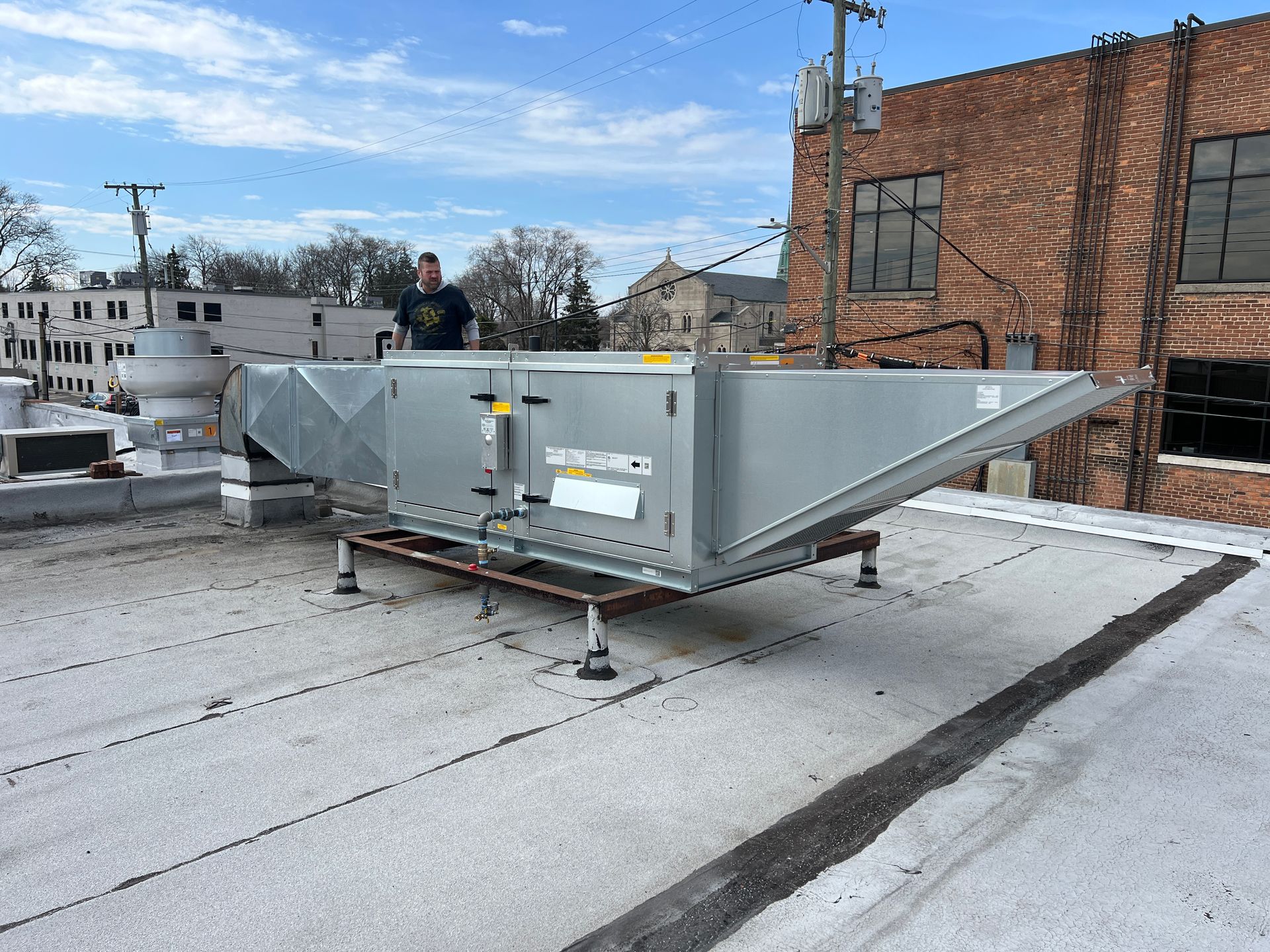
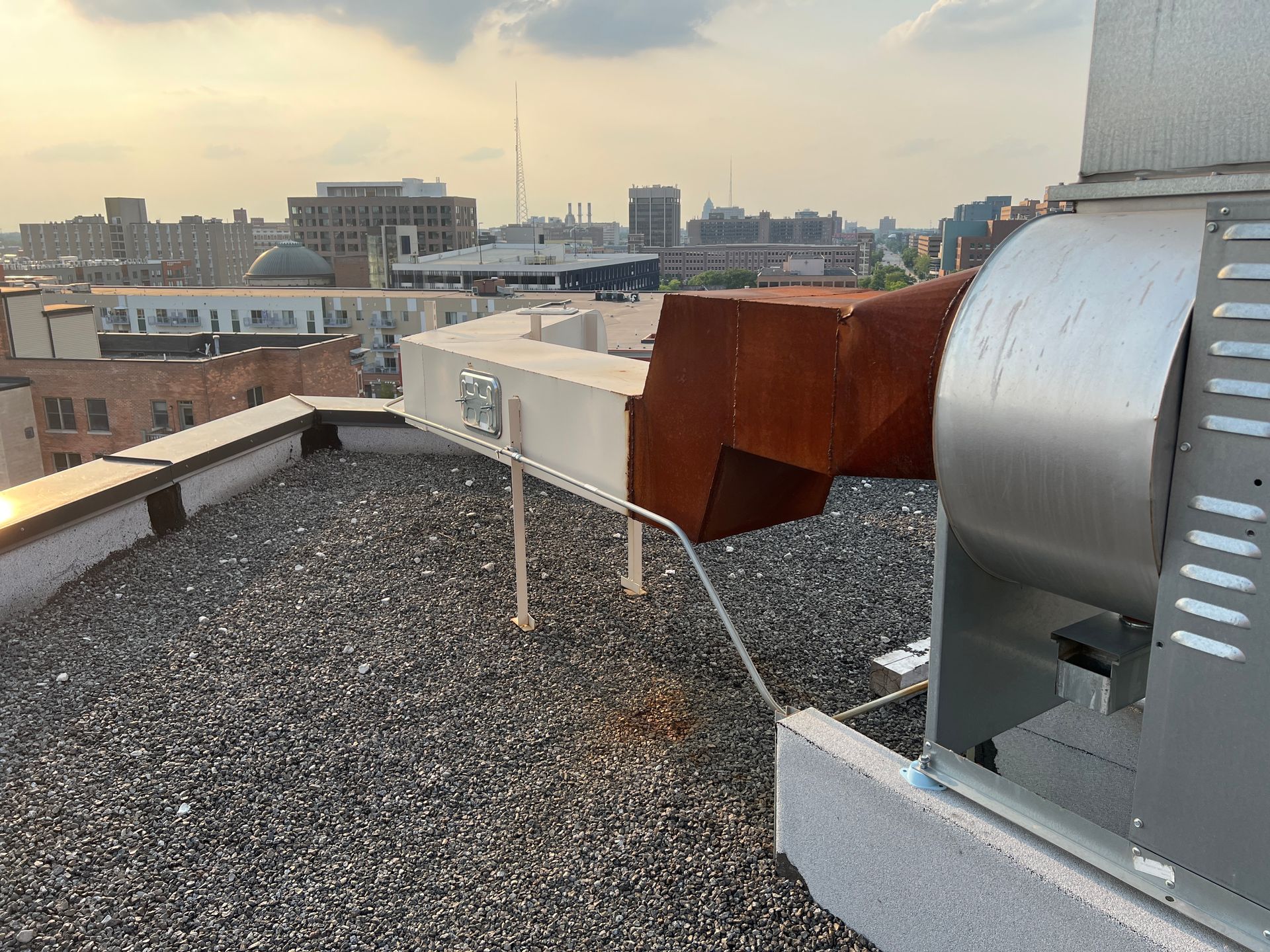
Well-maintained kitchen ventilation runs quietly in the background. Rattling, squealing, grinding, or thumping noises from your hood, fans, or roof units signal mechanical problems—like loose belts, worn bearings, or unbalanced fan blades. Vibrations can loosen ductwork and create dangerous air leaks or even cause mounting brackets to fail.
Don’t ignore these noises. Early intervention can prevent motor or fan burnout and avoid expensive emergency shutdowns later.
Grease Buildup on Surfaces or Equipment
An increase in visible grease—especially on walls, ceilings, or areas near the hood—is a warning that your system isn’t exhausting properly. Left unchecked, this buildup can result in higher fire risk, health code violations, and faster breakdown of expensive kitchen gear. In Metro Detroit’s high-volume kitchens, grease can accumulate rapidly during busy periods, so don’t let small spots slide.
Inconsistent Airflow and Hot/Cold Spots
Your kitchen should maintain steady airflow and comfortable working conditions. If you find ‘dead zones’ with no airflow, sudden hot spots behind the line, or a noticeable difference between prep and cooking areas, ventilation balance is off. Duct leaks, malfunctioning make-up air units, or fan issues are common culprits.
This sort of ventilation “drift” wears down staff, reduces kitchen productivity, and can even push key appliances over their safe limits.
Frequently Asked Questions
How can I regularly monitor my kitchen ventilation?
Establish weekly walk-throughs to check for uneven airflow, increased noise, grease marks, and changes in kitchen temperature. Keep a log—subtle changes over time are easier to spot if you’re tracking them consistently.
What’s the risk of ignoring early warning signs in my kitchen ventilation?
Delaying repairs or maintenance can quickly escalate to shutdowns, failed inspections, or expensive equipment replacements. Early action always saves money compared to “run to fail.”
Is professional inspection necessary if I already do regular cleaning?
Yes—while daily or weekly cleaning helps, only a trade professional can spot hidden grease, worn fan motors, or duct leaks deep in the system. MC² inspects and services these trouble spots so you don’t have surprises during rush periods.
Stay Ahead of Kitchen Ventilation Surprises
Early awareness and prompt action are your best tools against unexpected kitchen shutdowns and fire risks. Don’t wait until your kitchen grinds to a halt—trust MC² for regular inspections and fast, honest advice. Notice any warning signs? Schedule a professional evaluation and keep your Metro Detroit kitchen, staff, and customers protected.
Share This Blog