Why’s My Kitchen Smoky When the Hood Is On?
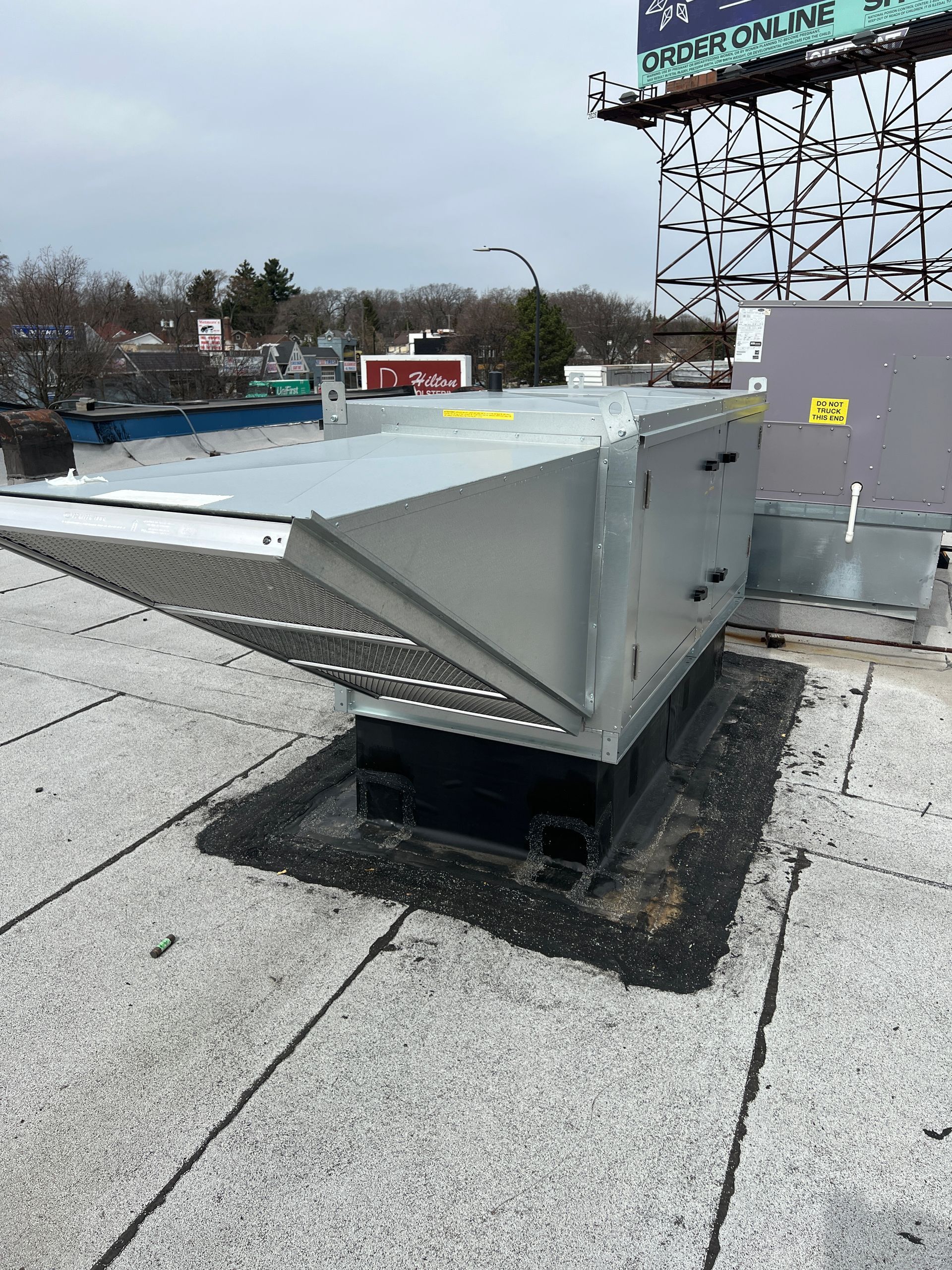
Nothing throws off a dinner rush faster than a smoky kitchen—especially when your exhaust hood is running and should be pulling vapors out. MC² hears this complaint from Metro Detroit restaurant owners all the time. More than just annoyance, lingering smoke is a warning sign of airflow problems, duct blockages, or equipment faults that compromise food safety, comfort, and code compliance.
A functional hood is the backbone of kitchen ventilation. If smoke still finds its way back into the kitchen (or worse, the dining room), you need to get to the root of the problem—fast. Here’s how to diagnose and fix the real reasons your kitchen is filling with smoke even when the hood is on.
In This Article:
- Clogged Filters and Dirty Grease Traps
- Duct Blockages and Fan Malfunctions
- Poor Air Balance and Make-Up Air Issues
- Warning Signs It’s Time for a Pro Inspection
- Frequently Asked Questions
Clogged Filters and Dirty Grease Traps
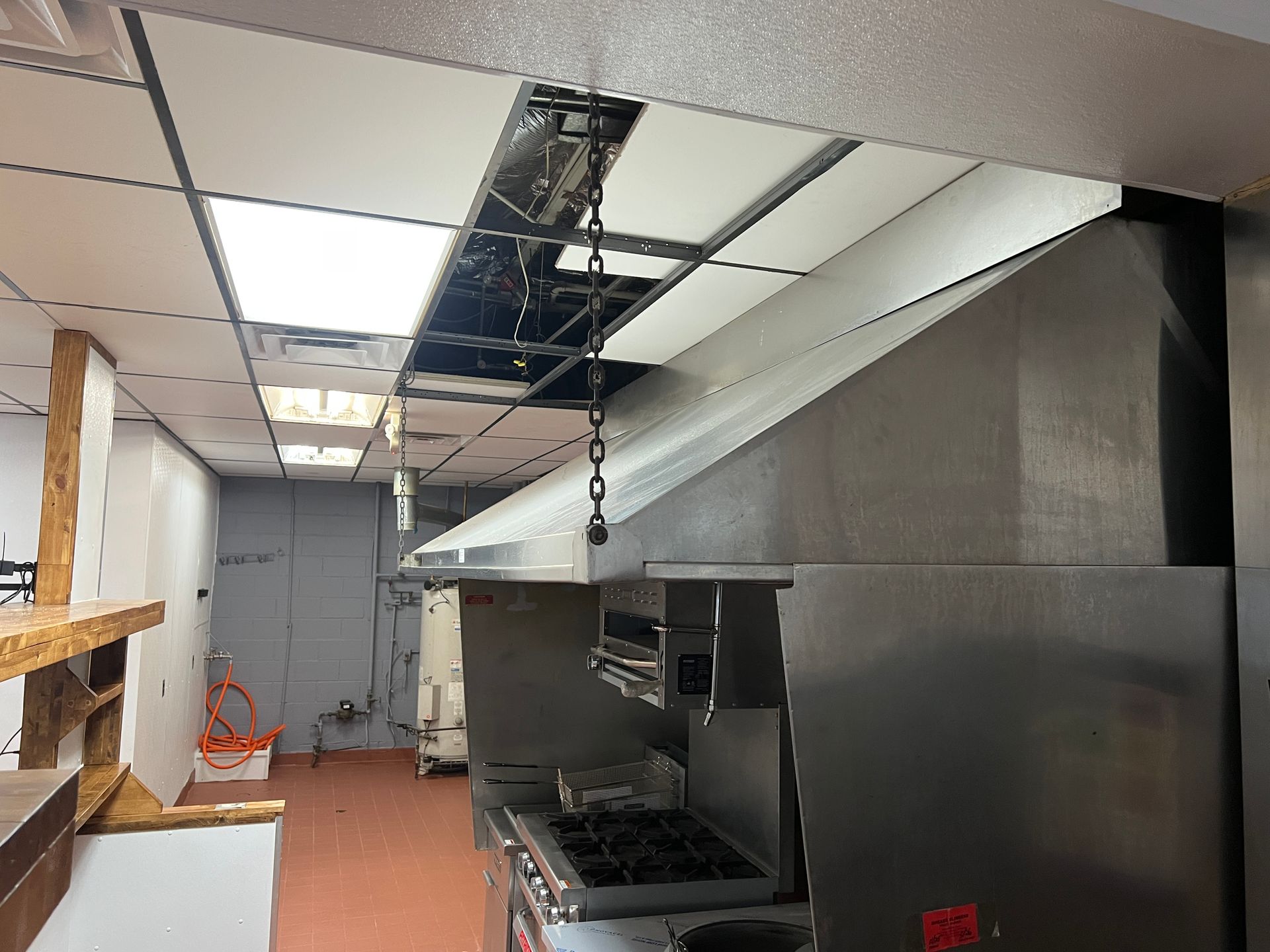
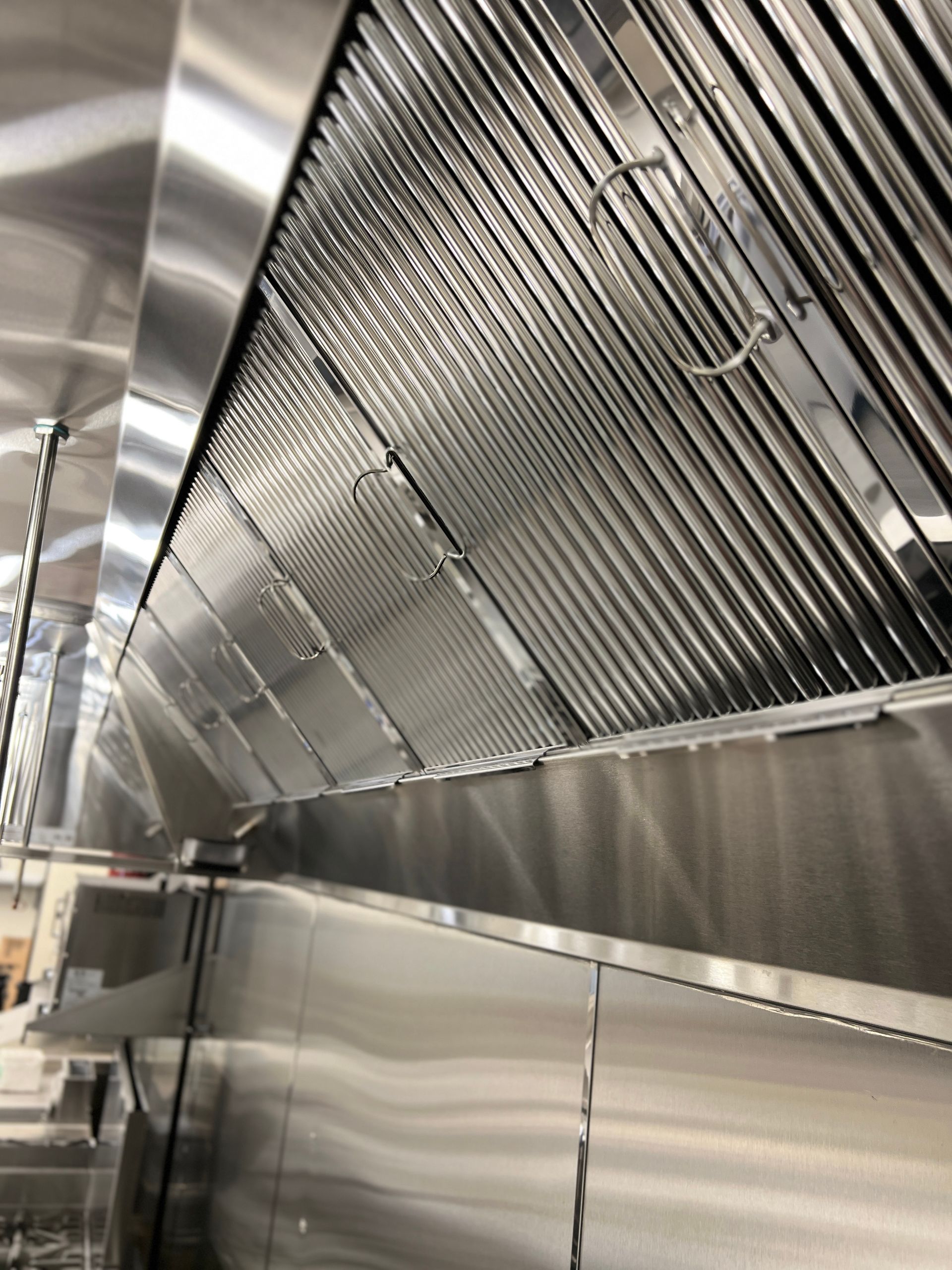
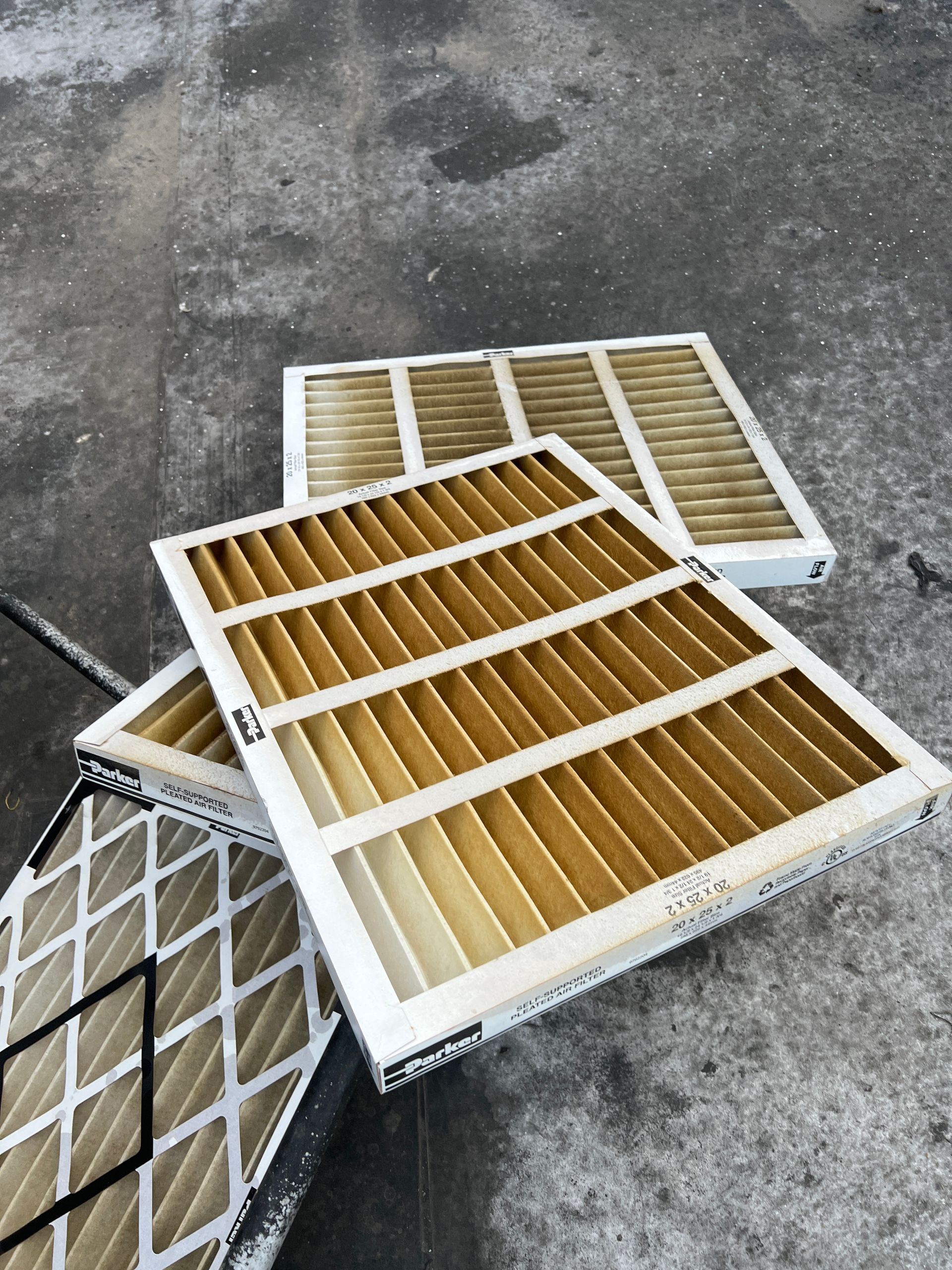
A hood system is only as good as its filters and grease management. When filters get clogged with grease and particles, airflow drops—allowing smoke, steam, and odors to back up into your kitchen. Likewise, overflowing grease traps restrict air movement and can block the capture face of the hood.
Regular, professional cleaning is key—especially for high-volume operations in Detroit, Livonia, Royal Oak, and surrounding cities. Keep an eye out for brown or sticky residue on baffles, a sure sign airflow is being choked.
→ From a professional standpoint: If your filter “looks clean” but smoke still lingers, the block may be inside the core or further down in the plenum, not visible to the naked eye.
Duct Blockages and Fan Malfunctions
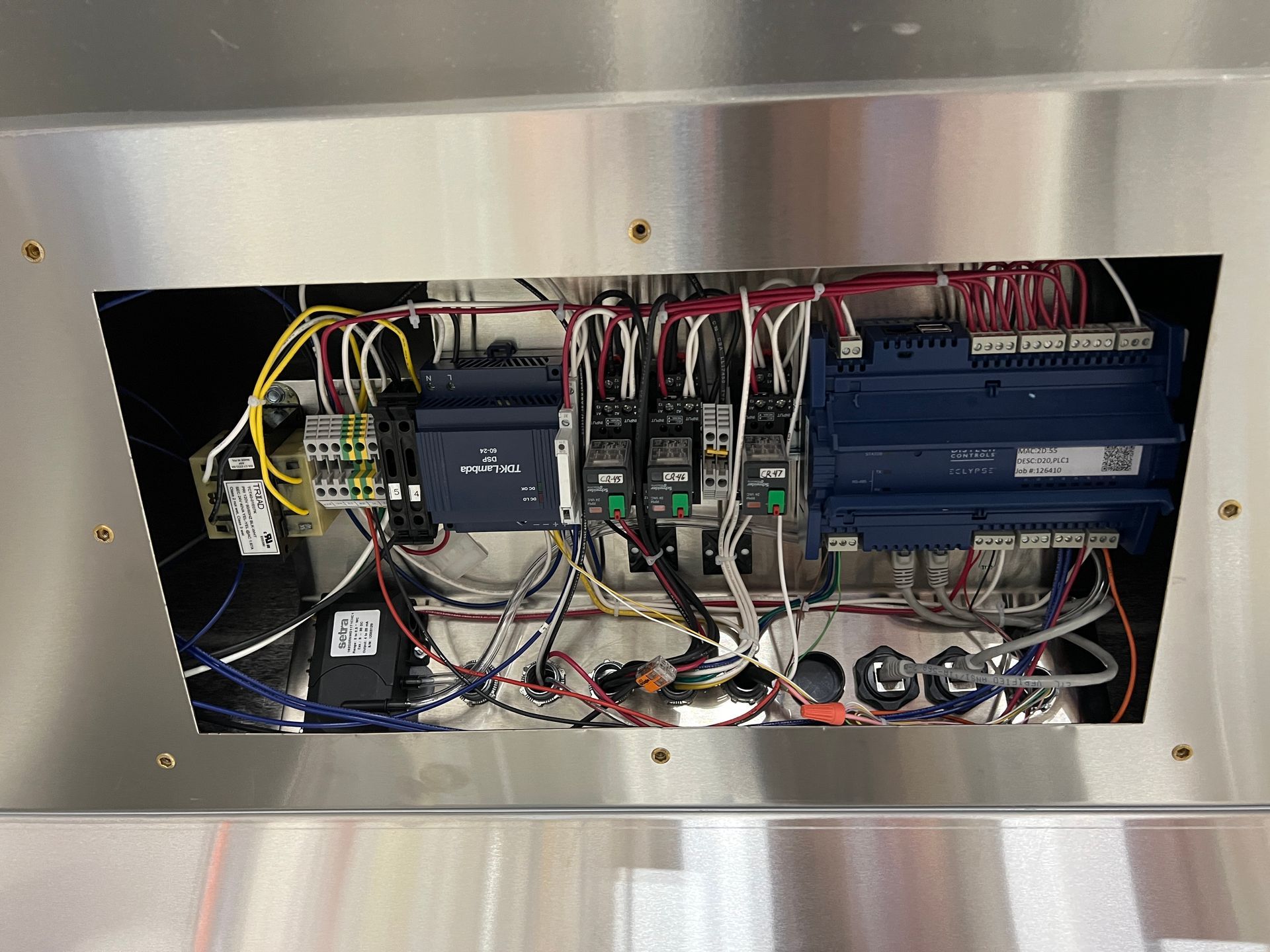
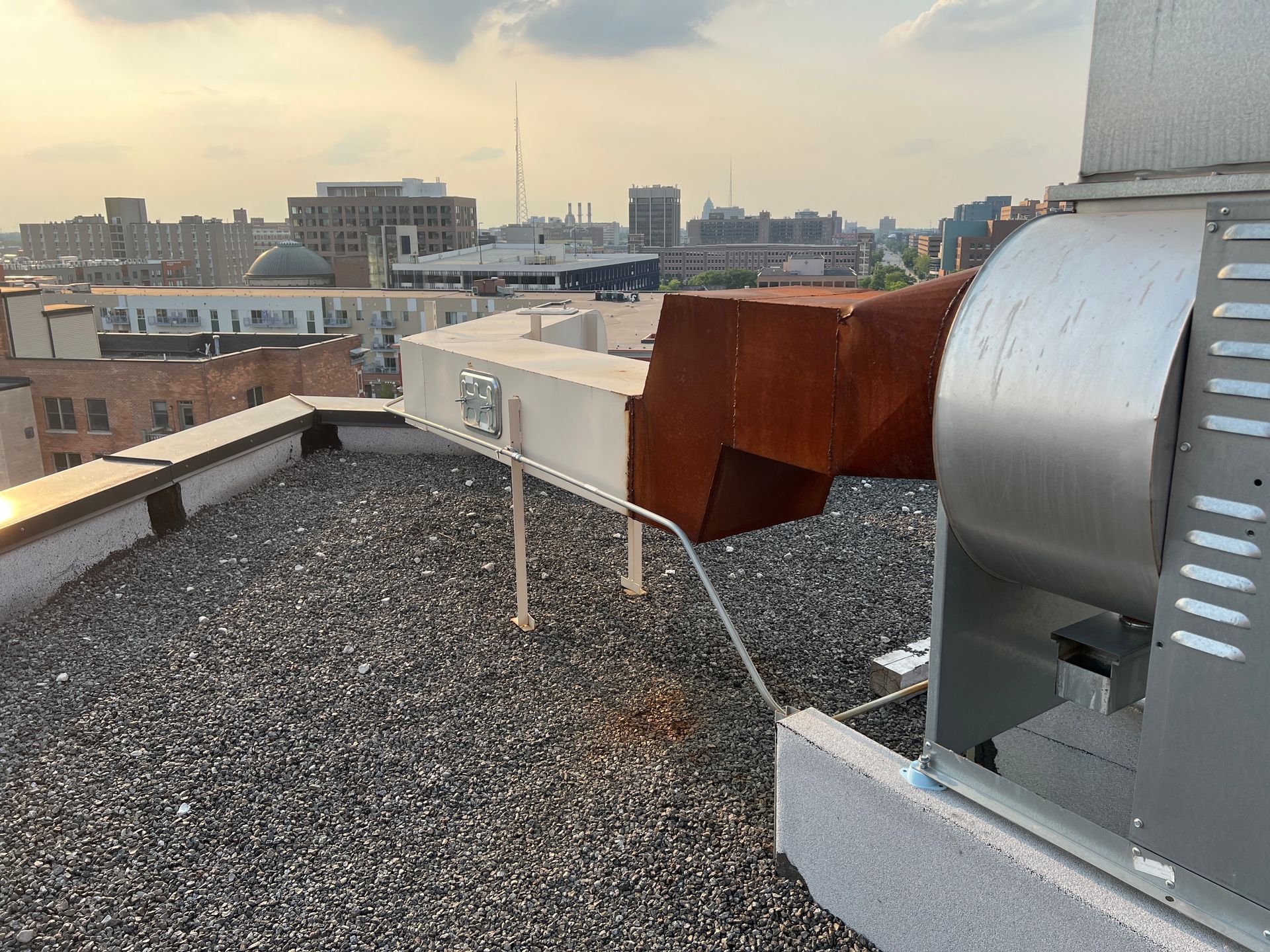
Hood systems rely on fans to pull contaminated air through ductwork and safely outside. Obstructions—like grease accumulation, debris, or collapsed duct sections—drastically reduce performance. Similarly, fan issues such as worn belts, failing motors, or broken bearings cut airflow enough to let smoke build up fast.
Signs like vibrating fans, rattling noises, or persistent burnt smells often point to internal duct or fan issues. Ignoring them leads to greater fire risk and more intensive (and costly) repairs down the line.
Poor Air Balance and Make-Up Air Issues
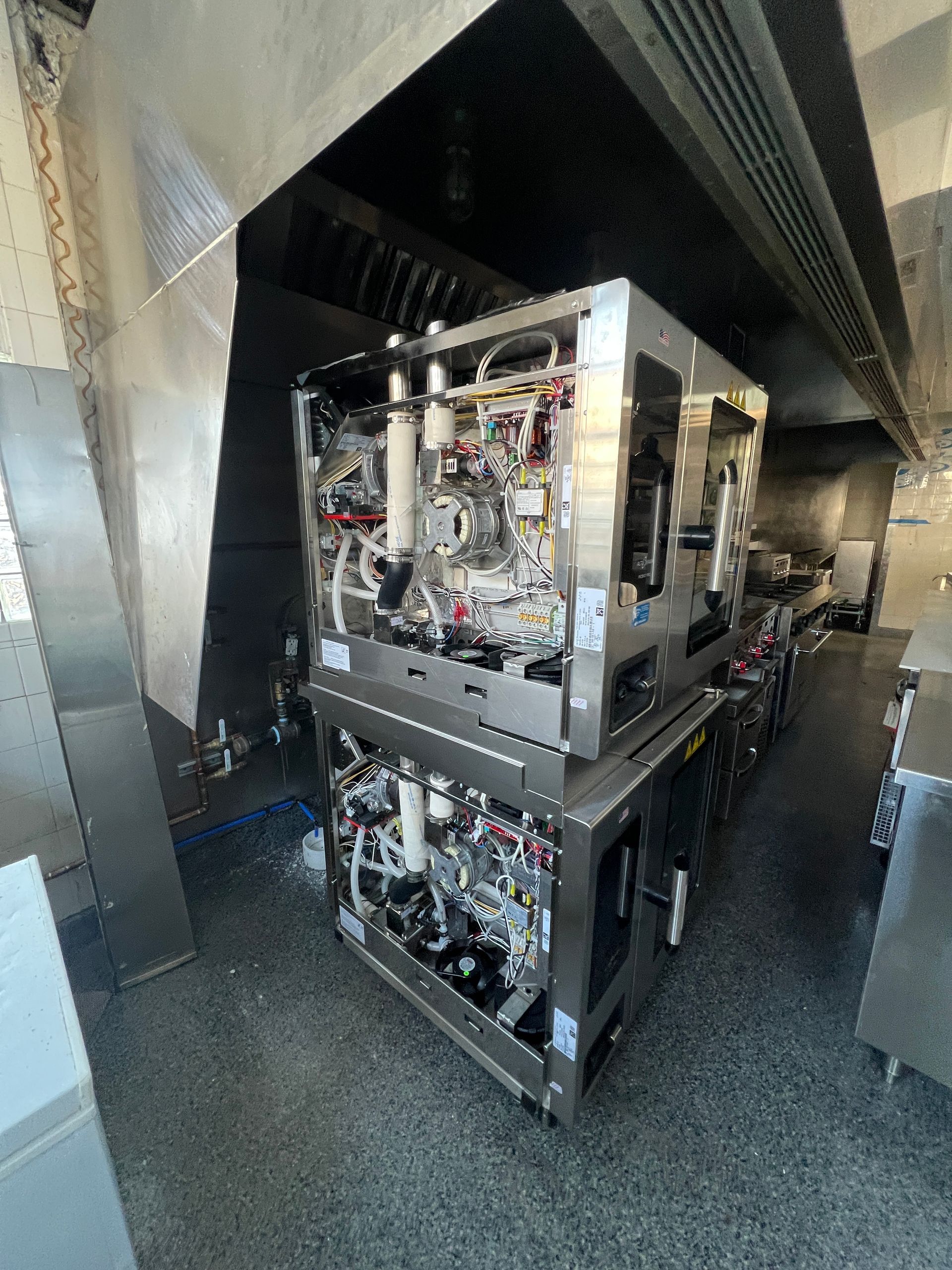
Even if your hood and ductwork are clean, smoke will linger if your kitchen’s air balance is off. Exhaust systems pull thousands of cubic feet of air per minute. If make-up air isn’t being supplied at the right rate or temperature, the system is starved for intake and can’t capture all the cooking smoke.
Symptoms include drafty doors, whistling entries, or a kitchen that feels stuffy even when the vent is running. Old or undersized make-up air units commonly cause these imbalances, especially in older Detroit-area kitchens or after equipment upgrades.
Warning Signs It’s Time for a Pro Inspection
If you notice these issues, don’t wait:
- Smoke or haze lingers long after cooking stops
- Staff complaints about “heavy” or “sticky” air
- Sudden changes in fan noise or airflow
- Grease streaks or residue appearing near supply registers, not just around the hood
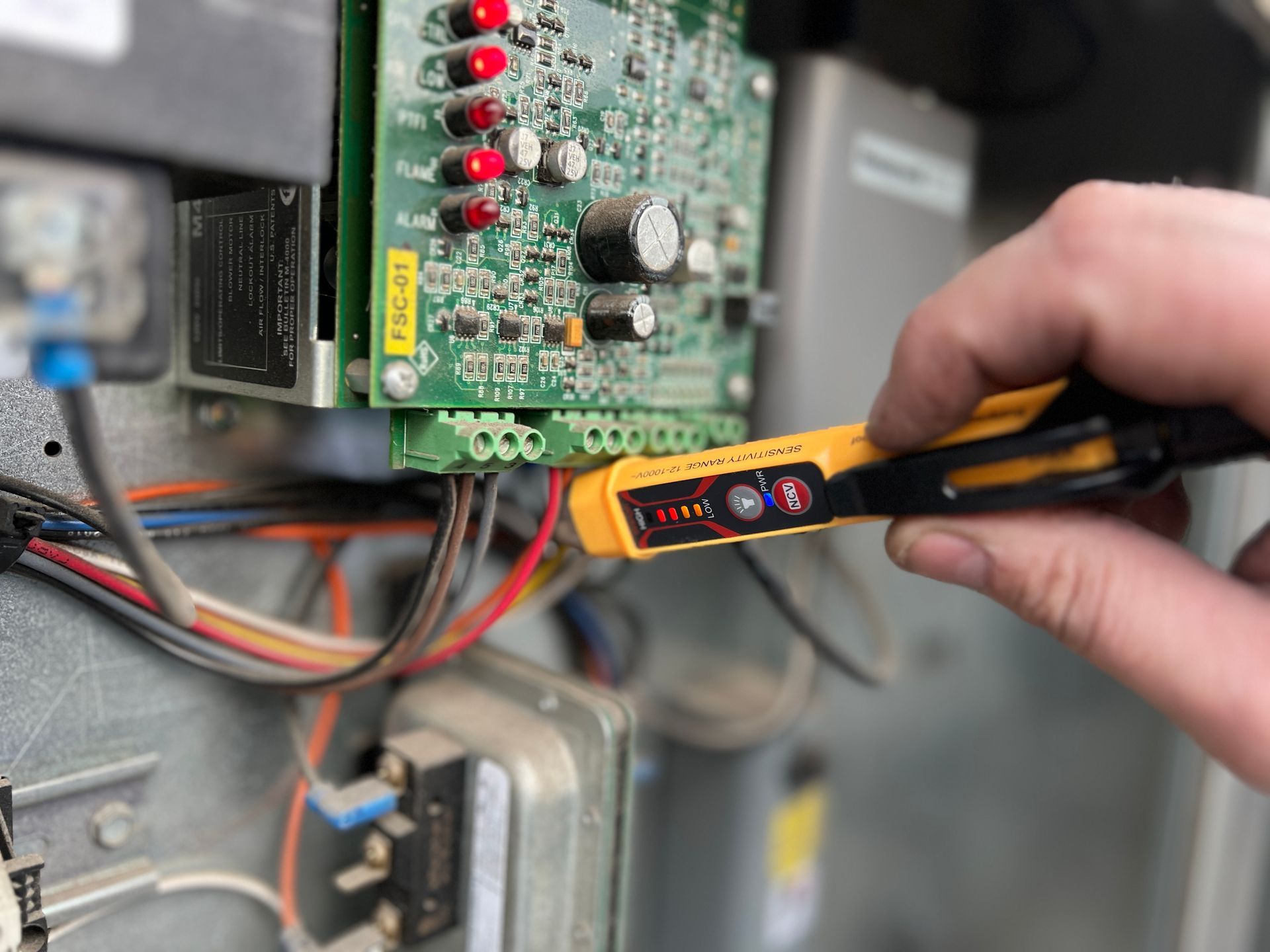
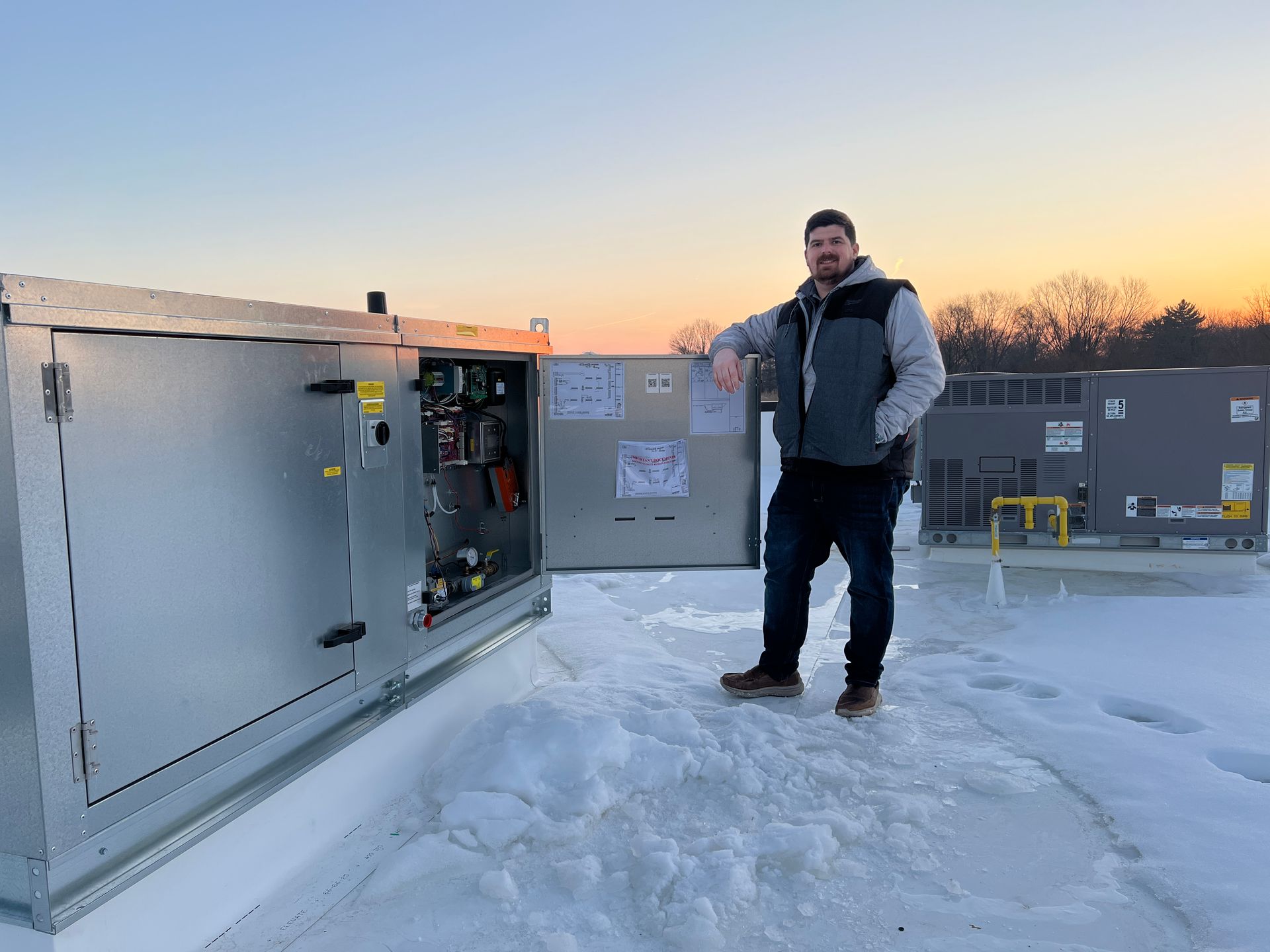
MC² recommends a top-to-bottom inspection: filters, ductwork, fans, and airflow measurements to pinpoint the fault and restore safe operation.
Frequently Asked Questions
Can I clean or repair my hood system myself if it gets smoky?
You can and should replace or clean baffle filters regularly, but full duct, fan, and balance troubleshooting require expert tools and knowledge. DIY efforts rarely address root airflow or mechanical problems.
How often should my hood and exhaust system be checked?
High-volume kitchens need at least quarterly professional cleaning and system checks; other sites can schedule every six months. Always check sooner if smoke returns after routine maintenance.
What’s the risk of ignoring smoke, even if the kitchen “works”?
Persistent smoke means hidden problems—risk of fire, failed inspections, customer complaints, and lost revenue from shutdowns. Early action is always less costly and disruptive than waiting for a total system breakdown.
Clear the Smoke—Restore Kitchen Comfort and Safety
A smoky kitchen is more than an inconvenience—it signals unseen risks that can quickly spiral into bigger problems. MC² brings years of trade experience to help Metro Detroit restaurants clear the air, restore airflow, and protect your team and reputation. If you’re tired of battling smoke even with your hood on, call for a full inspection and solve the real problem for good.
Share This Blog