How Smart Sensors Are Revolutionizing Commercial Kitchen Ventilation
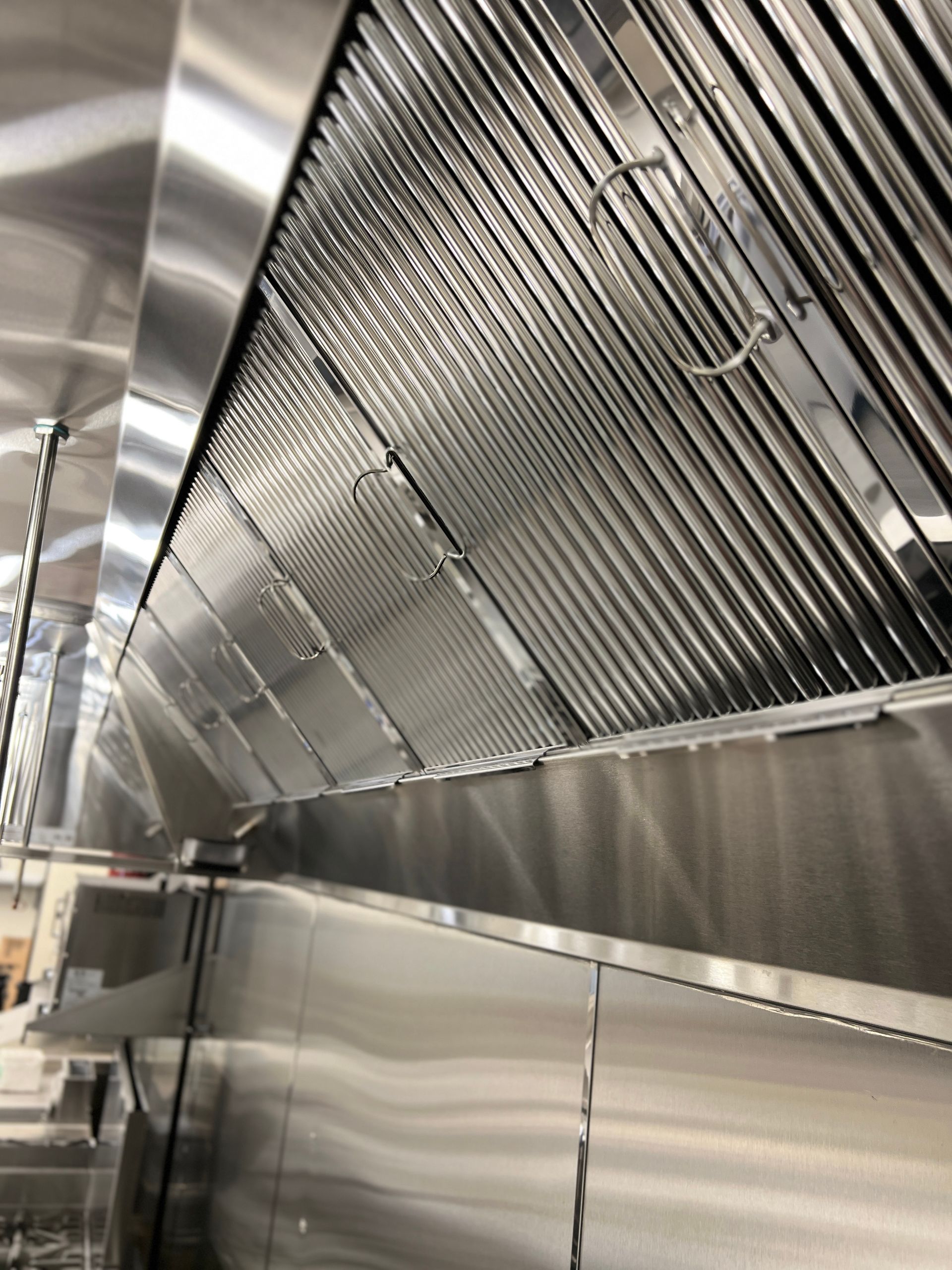
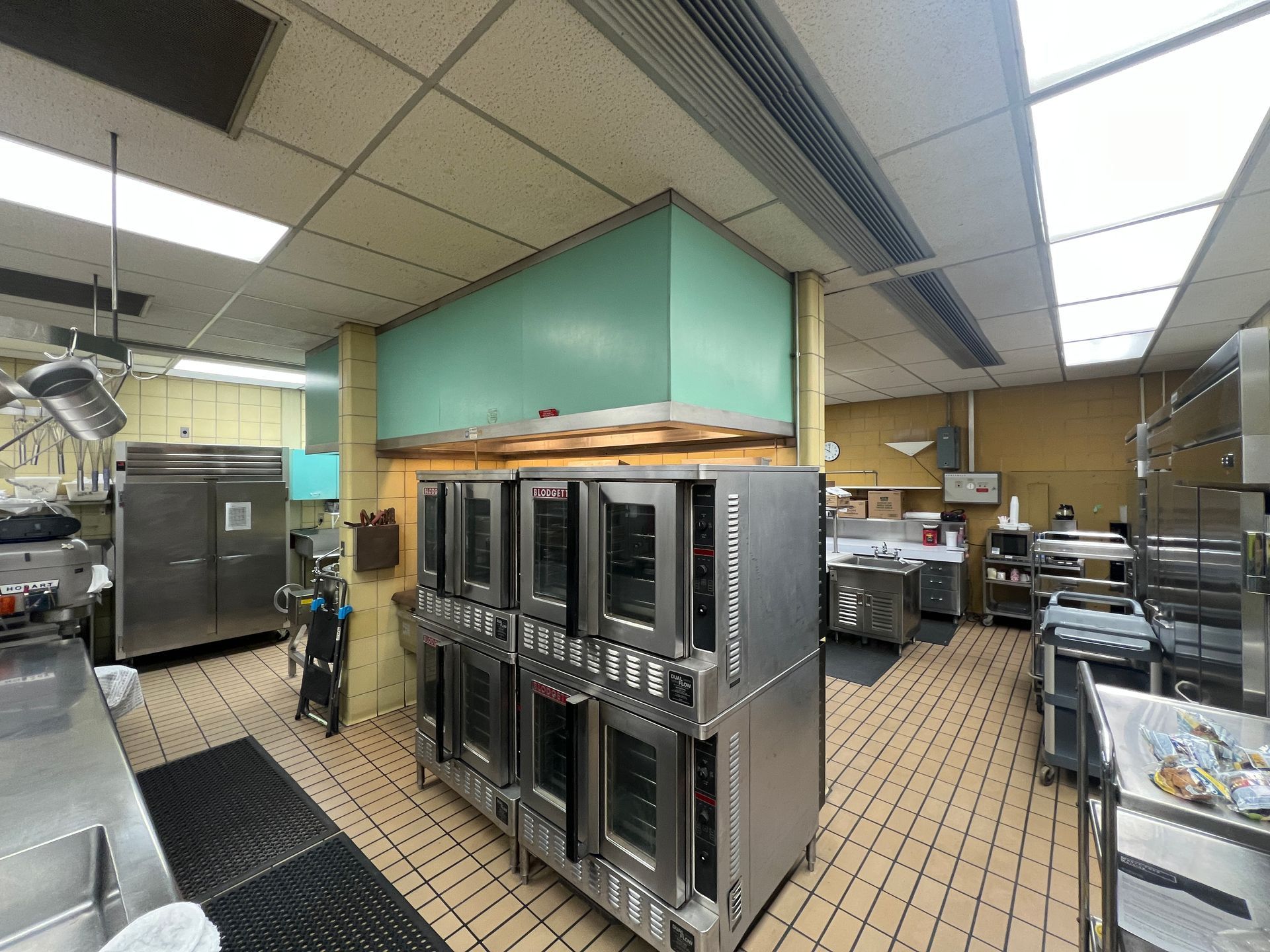
Commercial kitchens across Metro Detroit face growing demands for safety, efficiency, and compliance. As the heart of bustling restaurants, school cafeterias, and institutional foodservice operations, the kitchen’s ventilation system is essential for maintaining clean air, managing heat, and meeting local safety codes. Traditional ventilation relies on set schedules or manual adjustments, but today’s kitchens have a smarter option: sensor-driven ventilation. At Michigan Commercial Mechanical Contracting LLC, we’re helping Detroit-area businesses embrace the future with intelligent ventilation solutions powered by smart sensors.
The Shift Toward Intelligent Kitchen Ventilation
Modern kitchens produce varying levels of heat, grease, and smoke depending on the volume and type of cooking. Fixed-speed exhaust fans or outdated controls often lead to wasted energy, inconsistent air quality, and higher maintenance costs. Smart sensors transform the way ventilation systems operate—automatically adjusting airflow in real-time based on actual kitchen conditions. This not only ensures a safer, more comfortable environment but also offers a host of operational and financial benefits.
What Are Smart Sensors and How Do They Work?
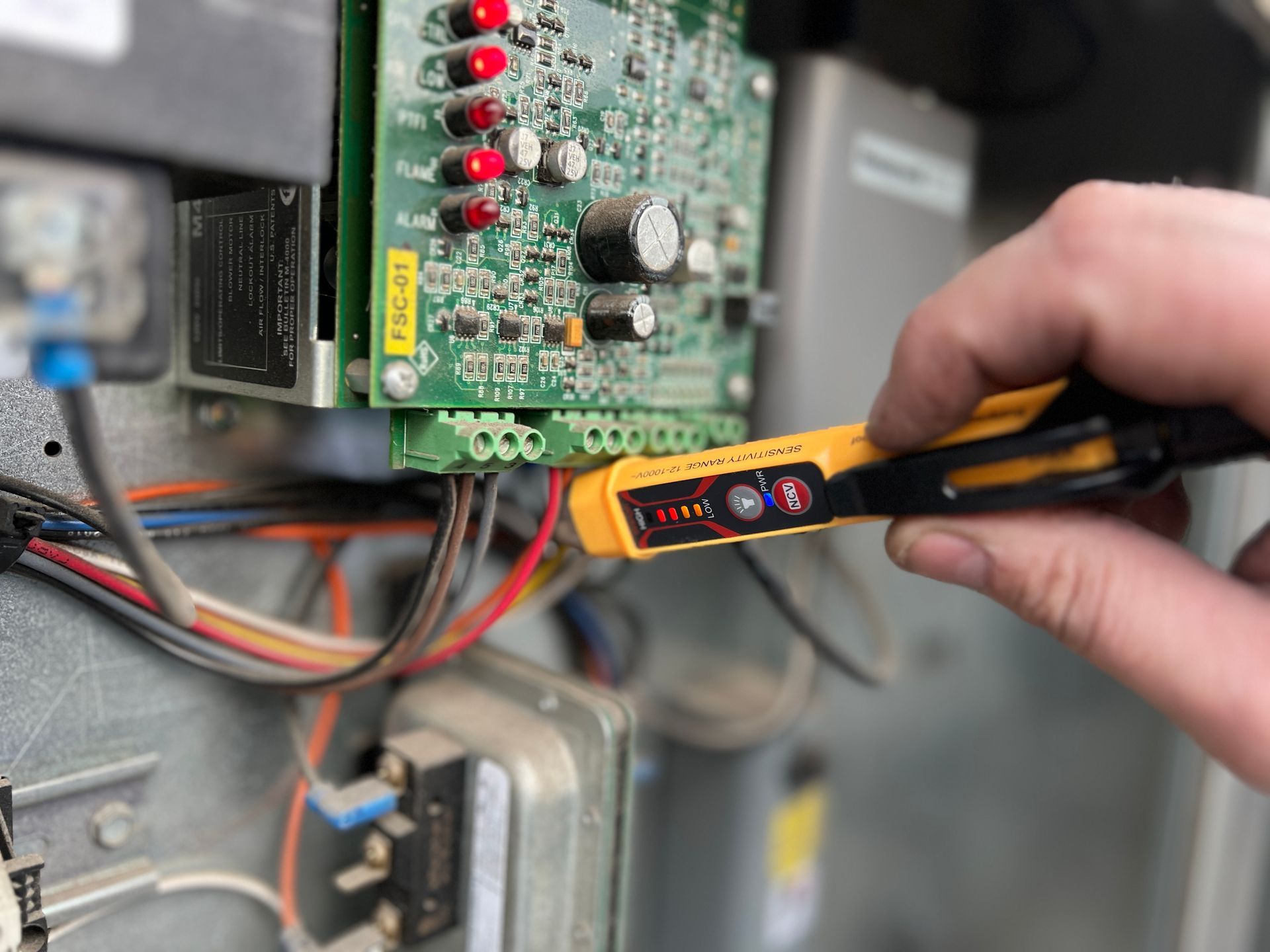
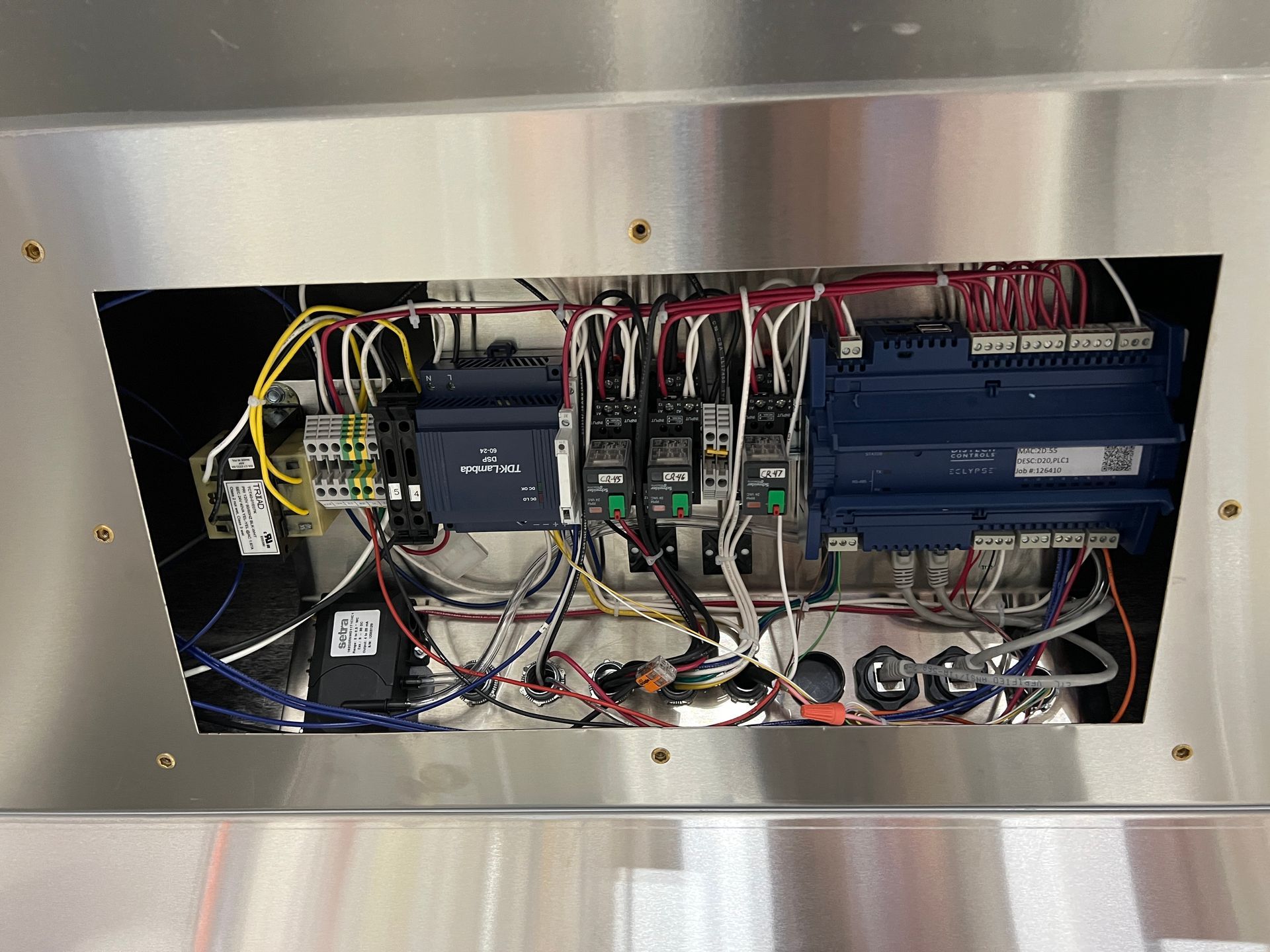
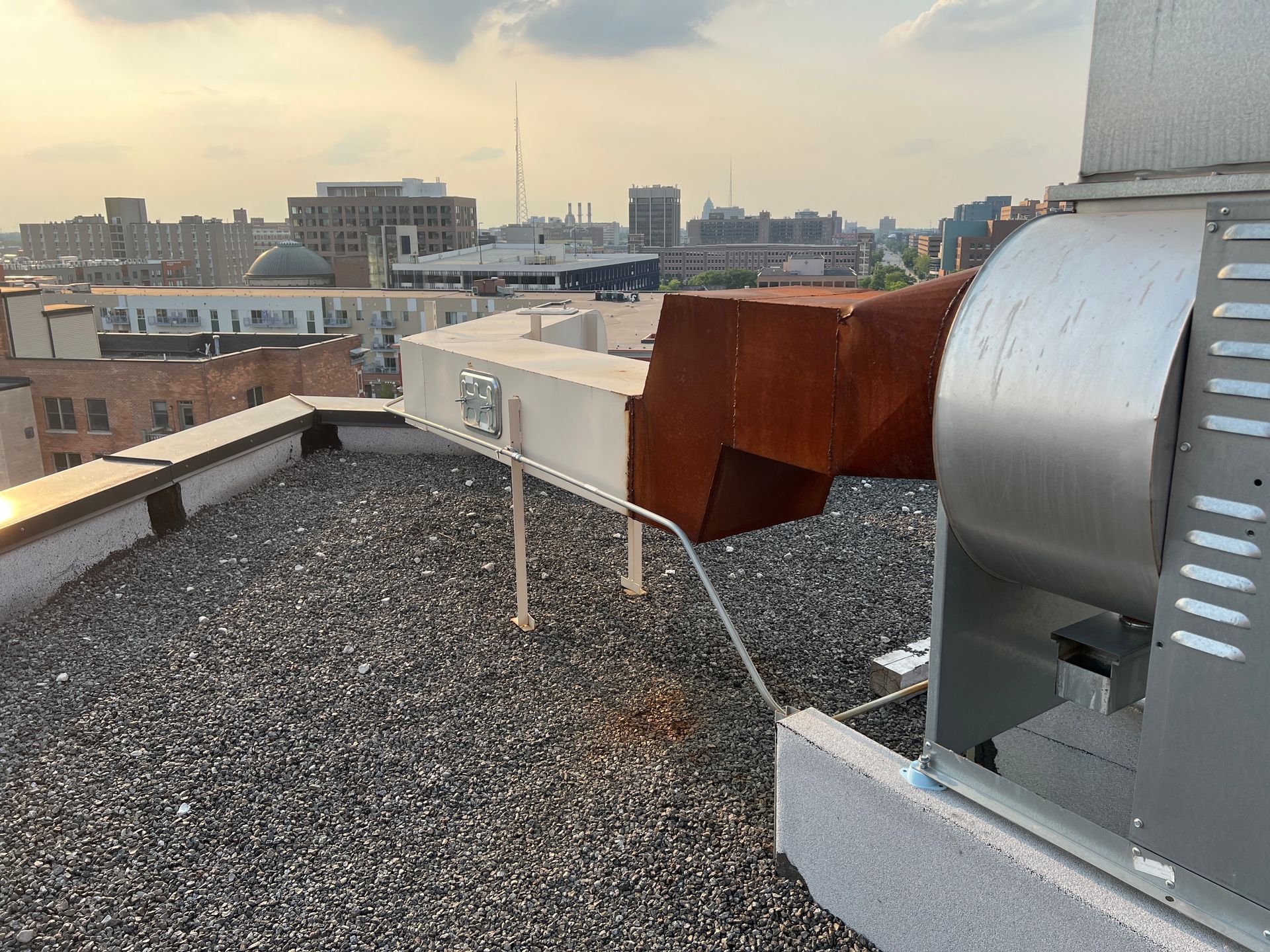
Smart sensors for commercial kitchen ventilation are advanced devices that continuously monitor environmental factors such as temperature, smoke, humidity, and airborne grease particles. These sensors are typically installed in exhaust hoods and ducts, connecting to a central control system. When sensor readings detect increased cooking activity, the system signals exhaust fans and make-up air units to ramp up. When activity decreases, the system reduces fan speed to save energy.
Some common types of sensors used in commercial kitchen ventilation include:
- Temperature sensors to detect changes in cooking intensity
- Particulate sensors to measure airborne grease and smoke levels
- Pressure sensors to maintain proper airflow and balance
- CO2 and air quality sensors to ensure compliance and comfort
Key Benefits of Sensor-Driven Ventilation Systems
1. Improved Air Quality and Safety
By actively responding to kitchen conditions, smart sensor systems quickly remove smoke, vapor, and odors, maintaining a healthier workspace for staff and a more pleasant dining area for customers. Enhanced air quality also means reduced risk of fire hazards caused by grease build-up—a critical concern for any commercial kitchen owner in Detroit.
2. Lower Energy and Operating Costs
Intelligent controls and variable-speed fans can cut ventilation energy use by up to 50 percent compared to fixed systems. By running only as needed, kitchens save on electricity and avoid unnecessary wear and tear on fans and motors. Over time, these savings offer a compelling return on investment, especially during high-heat or peak service hours.
3. Streamlined Maintenance and Longer Equipment Lifespan
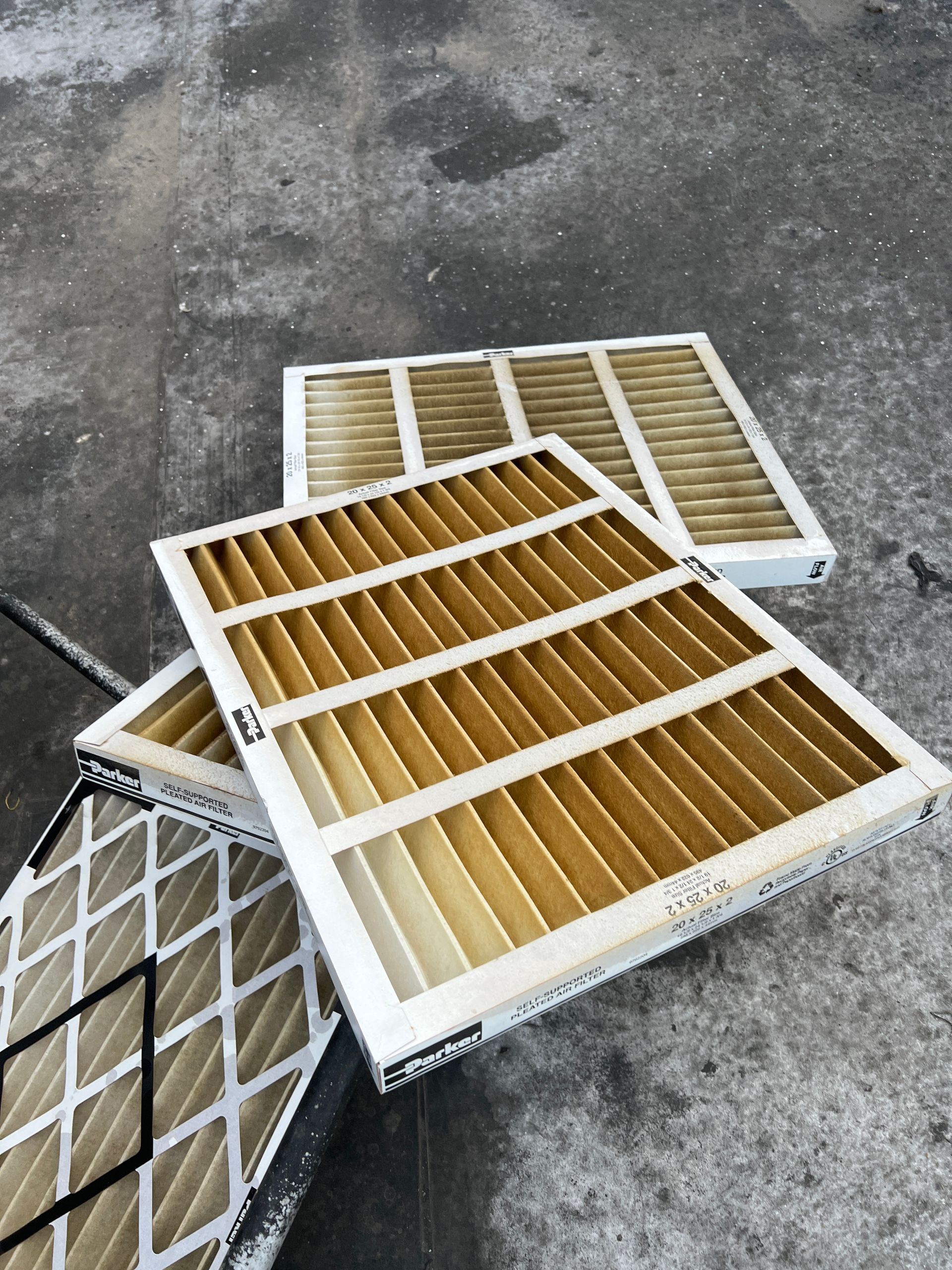
Sensor-driven systems monitor system health and performance in real time. If filters are clogged or airflow is restricted, sensors alert staff or service providers, allowing prompt maintenance before small issues become costly repairs. Consistent operation at optimal speeds also extends the life of key equipment components.
4. Simplified Compliance with Local Codes
Detroit and Michigan building codes require commercial kitchens to maintain strict air quality and fire safety standards. Sensor-based ventilation helps kitchens remain compliant by automatically adjusting to changing conditions and providing valuable system data for inspections and audits.
Why Metro Detroit Kitchens Are Adopting Smart Ventilation
Commercial kitchens in Troy, Royal Oak, and across Metro Detroit operate in a highly competitive and regulated environment. Reducing operational costs while maintaining safety and compliance is top of mind for managers and owners. Smart sensors offer a practical path forward—replacing outdated manual controls with responsive, automated systems that adapt to your kitchen’s real needs.
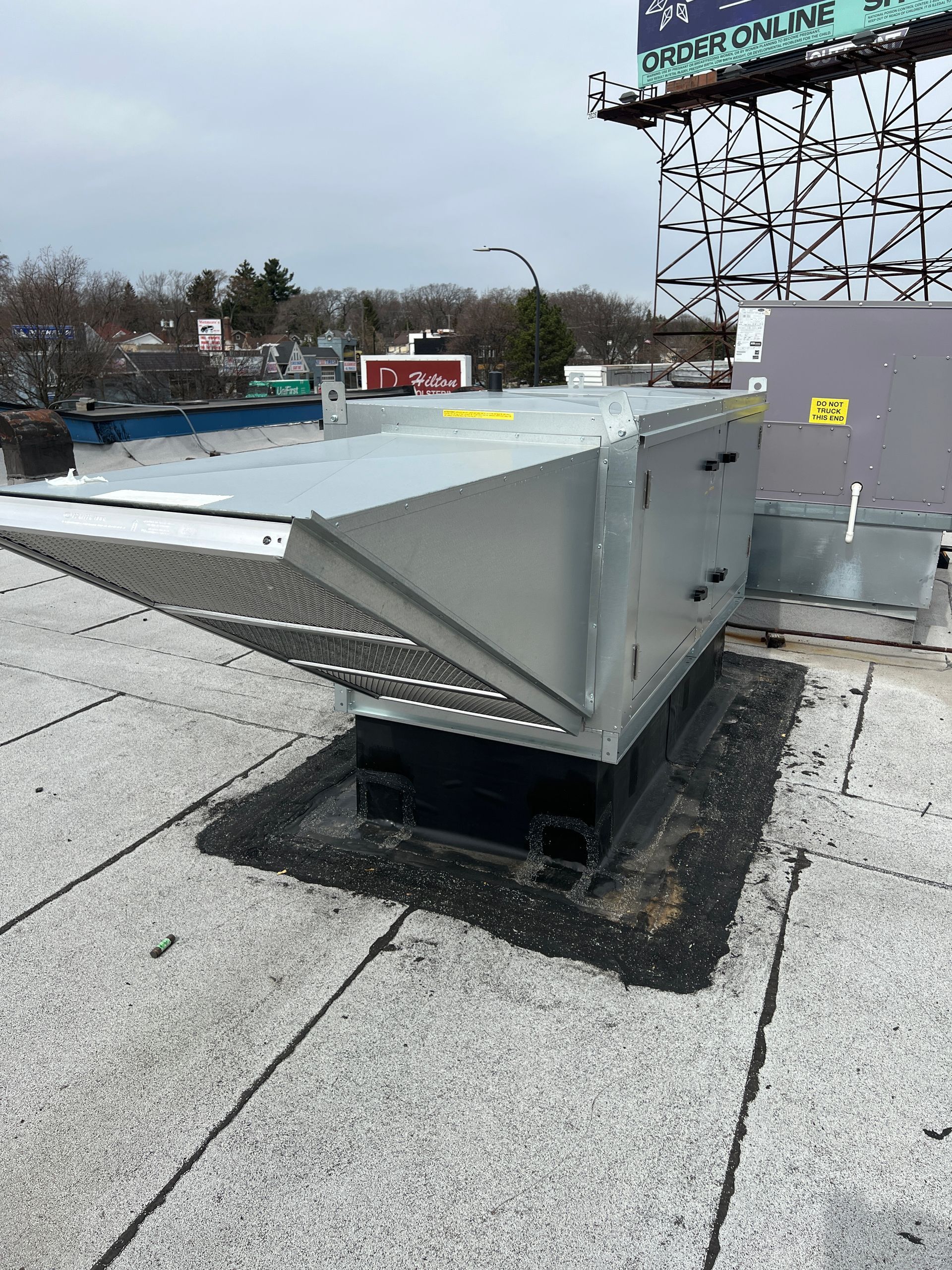
At Michigan Commercial Mechanical Contracting LLC, we specialize in designing, installing, and servicing sensor-equipped kitchen ventilation systems tailored for local foodservice businesses. Our team brings expert knowledge of Detroit’s codes and the latest industry technology, ensuring kitchens stay safe, efficient, and future-ready.
Get Started with Smart Ventilation—Contact Michigan Commercial Mechanical Contracting LLC
Is your commercial kitchen ready for smarter, more efficient ventilation? Now is the perfect time to upgrade. Michigan Commercial Mechanical Contracting LLC provides full-service consulting, installation, maintenance, and emergency response for commercial and institutional kitchens across Metro Detroit. We partner with leading manufacturers to deliver reliable, sensor-driven ventilation solutions that protect your investment and your people.
Contact us today at www.mcmchvac.com or call our local team to schedule a consultation. Transform your kitchen with the power of smart sensors—experience safer, greener, and more cost-effective operations with Michigan Commercial Mechanical Contracting LLC, your Detroit kitchen ventilation specialists.
Share This Blog