The ROI of Routine Ventilation Maintenance for Commercial Kitchens
Running a successful commercial kitchen in Metro Detroit means balancing efficiency, safety, and profitability. While investments in high-quality kitchen ventilation and hood systems are critical, the long-term value of your equipment depends just as much on the care it receives after installation. For restaurant owners, facility managers, and institutional leaders across Detroit, Troy, Royal Oak, and beyond, understanding the return on investment (ROI) of routine ventilation maintenance can make all the difference in maximizing operational success.
Why Ventilation Maintenance Is a Smart Business Move
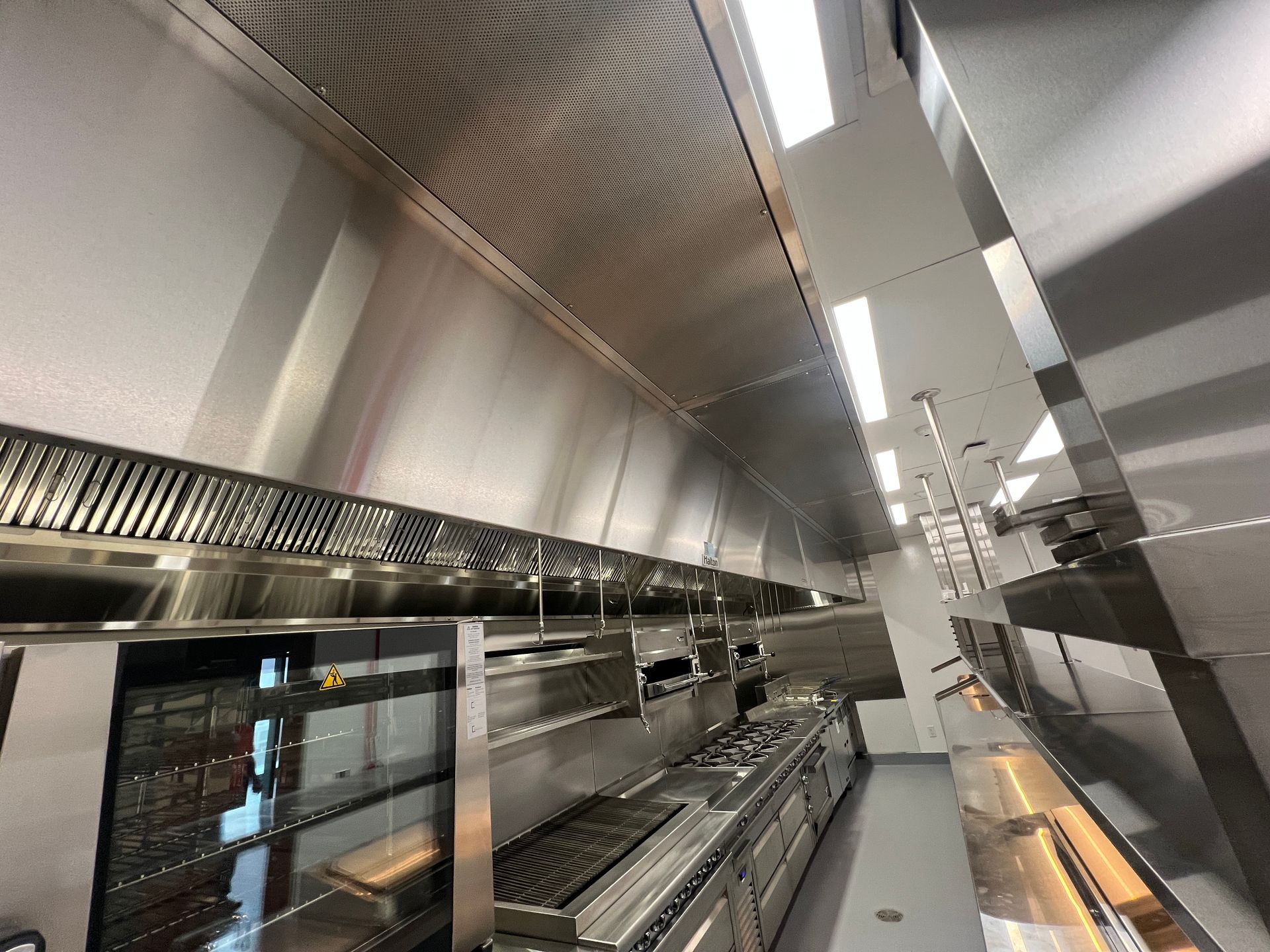
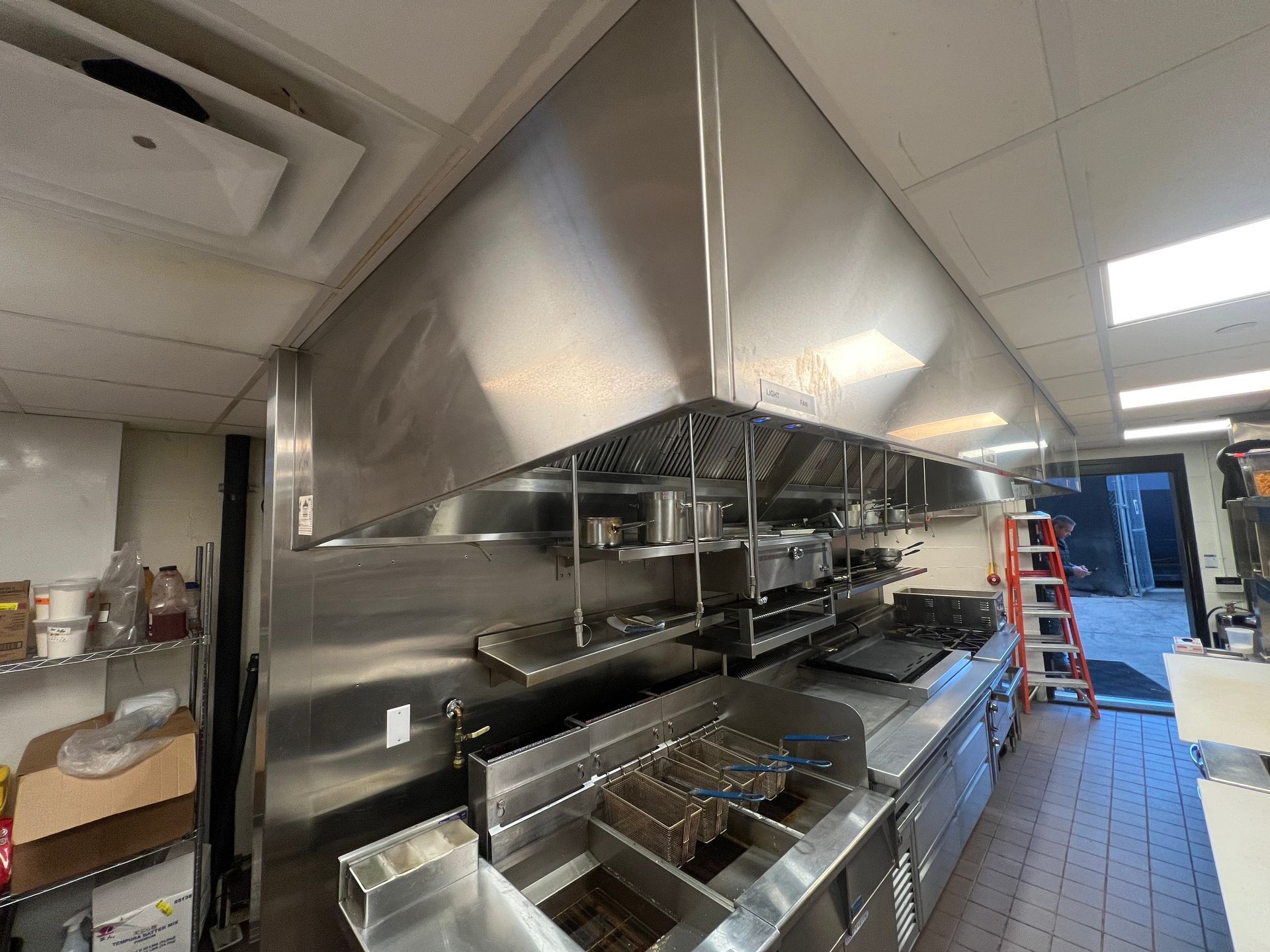
Commercial kitchen ventilation systems face daily exposure to heat, grease, smoke, and moisture. Without regular inspections, cleaning, and professional maintenance, these systems are at risk of diminished performance, increased safety hazards, and potential code violations. At Michigan Commercial Mechanical Contracting LLC, we’ve seen how proactive maintenance translates into tangible savings and peace of mind for our clients.
Lower Energy Bills and Improved Efficiency
A well-maintained kitchen ventilation system operates more efficiently by optimizing airflow and keeping filters, fans, and ducts clean. When components are clogged with grease or running under strain, your system works harder, consuming more energy and driving up utility costs. Routine maintenance, including cleaning and recalibrating controls, helps ensure every part functions at peak efficiency. This not only improves indoor air quality and comfort but also delivers measurable energy savings each month. Over the course of a year, these savings add up—enhancing profitability while reducing your environmental footprint.
Extended Equipment Lifespan
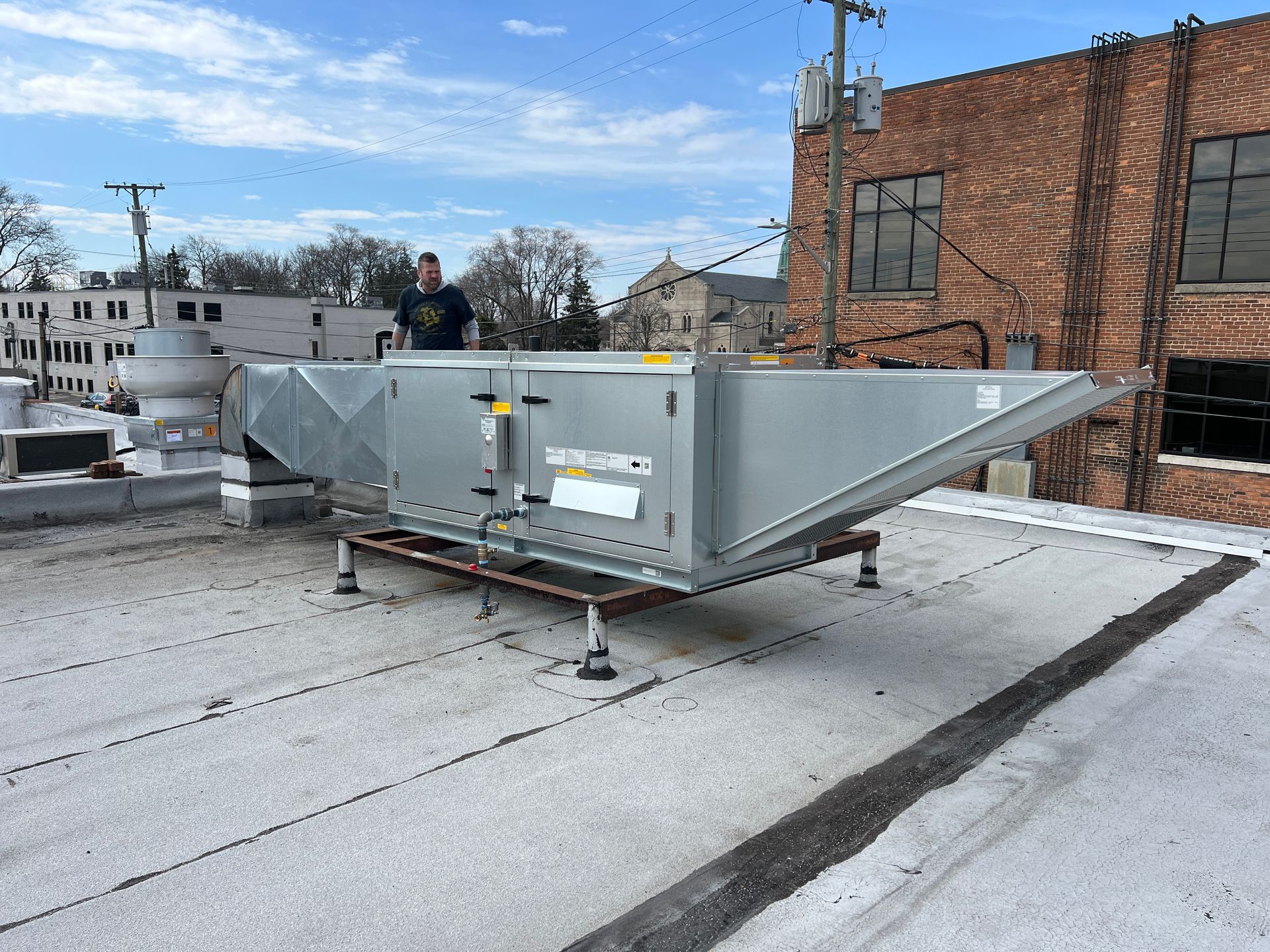
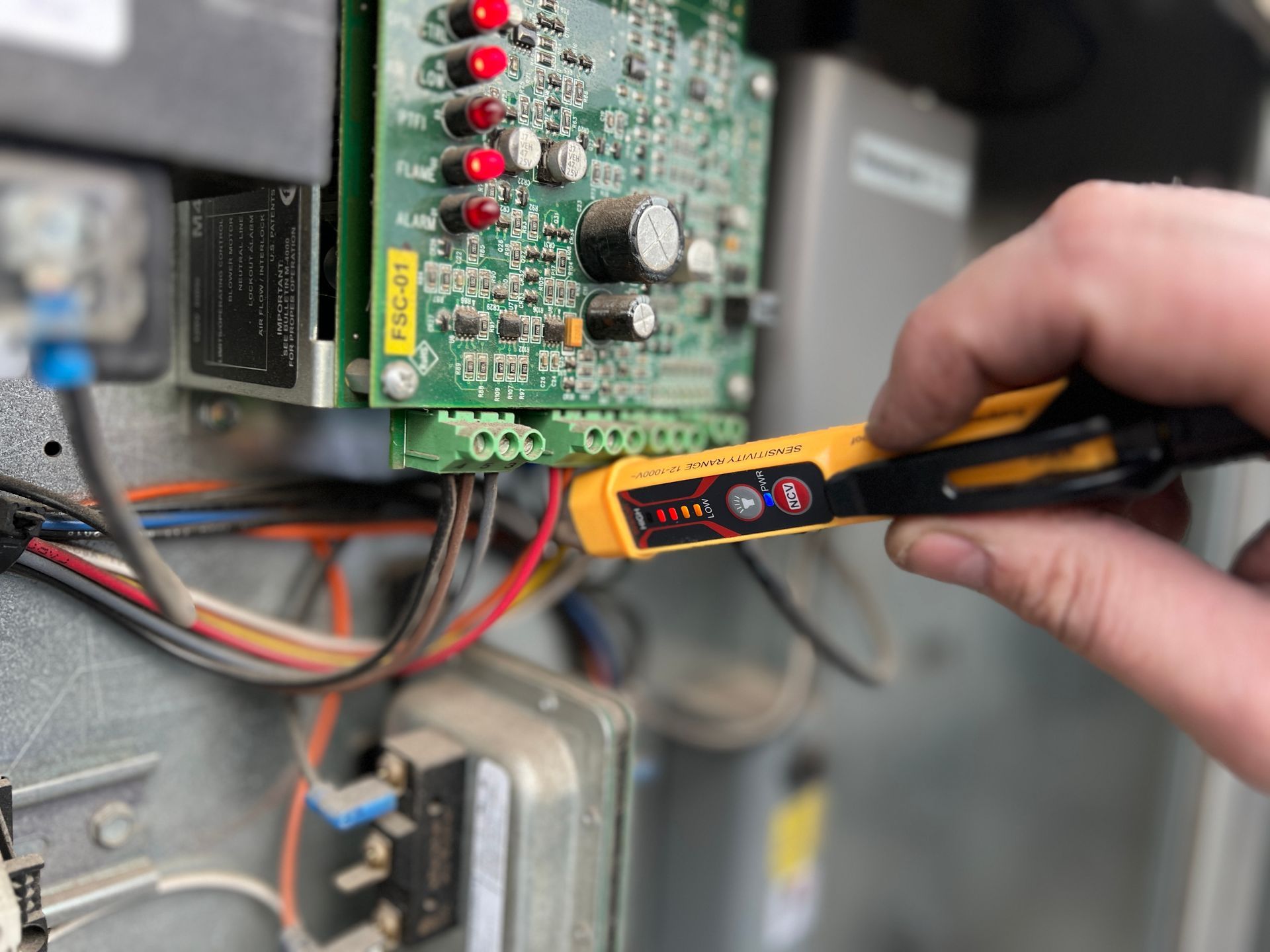
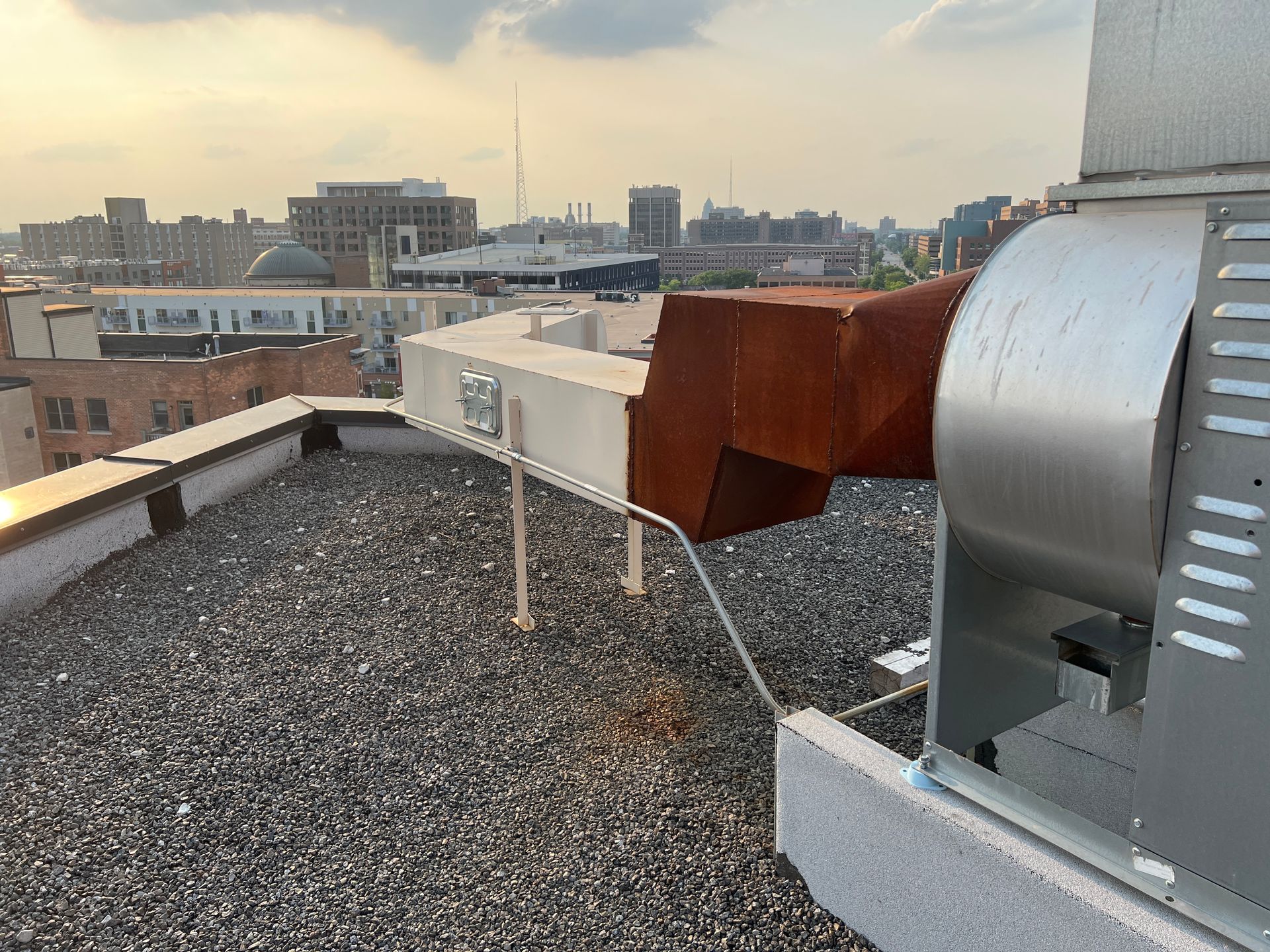
Replacing major ventilation components—such as exhaust fans or make-up air units—is a significant expense for any commercial kitchen. By scheduling regular inspections and tune-ups, you can catch small issues early, such as loose belts, worn bearings, or minor blockages, before they escalate into costly failures. Consistent maintenance by certified technicians extends your equipment’s lifespan, postpones replacements, and maximizes the value of your initial investment. Michigan Commercial Mechanical Contracting LLC’s maintenance clients benefit from less unexpected downtime and a reliably functioning kitchen year-round.
Reduced Risk of Fire and Safety Hazards
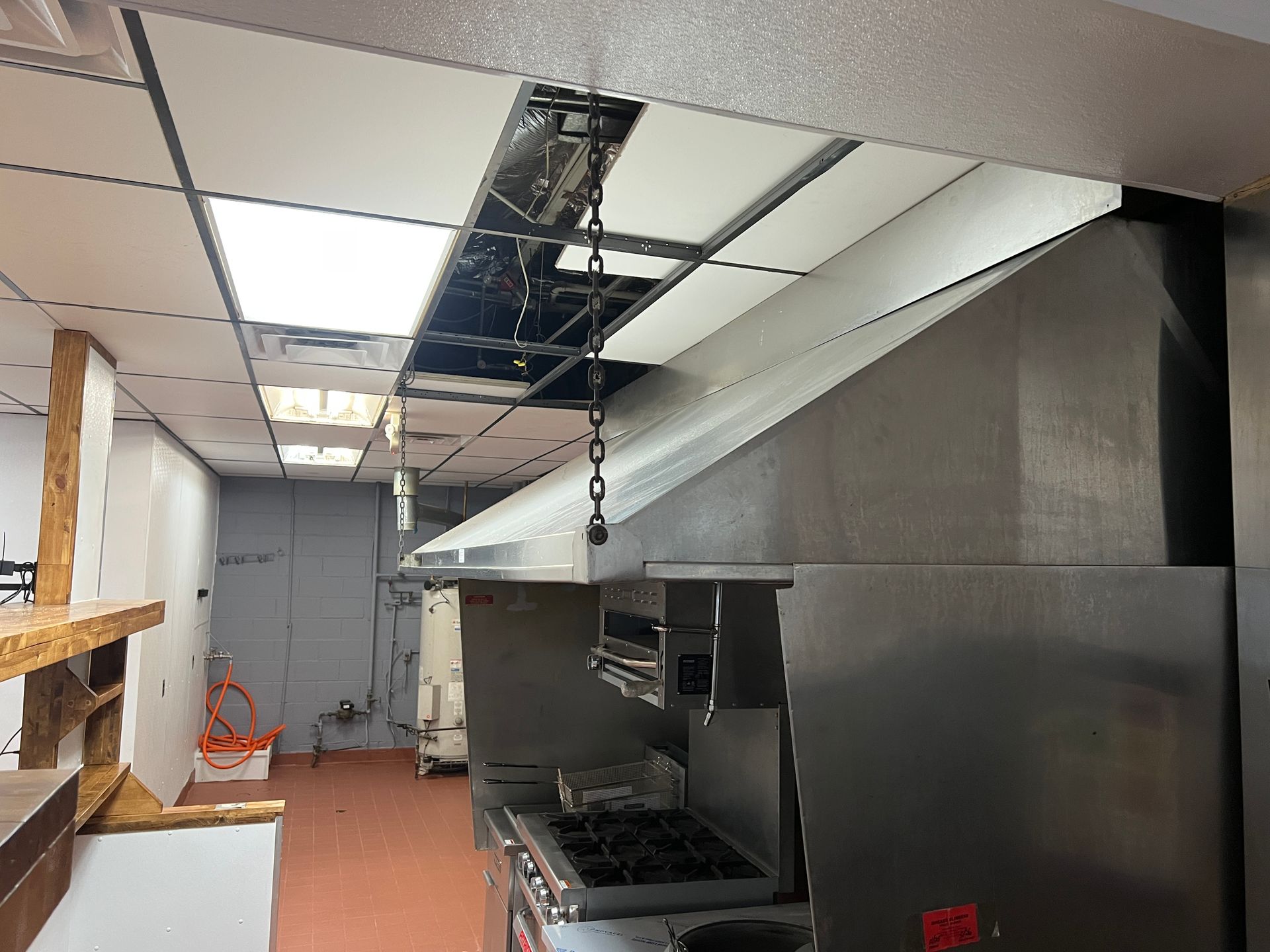
One of the most significant risks in commercial kitchens is the buildup of grease and debris in hood and duct systems. Not only does this decrease ventilation performance, but it also creates a serious fire hazard. Routine maintenance, including thorough cleaning and component checks, minimizes these risks and supports compliance with NFPA 96, Michigan Mechanical Code, and local fire authority regulations. By prioritizing safety, you protect your staff, customers, and property from avoidable incidents, costly repairs, and insurance complications.
Easier, Faster Health and Safety Inspections
Health departments and fire inspectors in greater Detroit are vigilant when it comes to kitchen ventilation systems. Kitchens that maintain an ongoing maintenance schedule are more likely to pass inspections with flying colors, avoiding potential fines or forced shutdowns. Up-to-date service records, clean equipment, and code-compliant systems streamline the inspection process—ensuring you stay open and operating without interruptions.
Enhanced Employee Productivity and Kitchen Comfort
A ventilation system operating at its best creates a safer, more comfortable environment for your kitchen staff. Proper airflow removes excess heat, smoke, and odors, reducing fatigue and supporting overall morale. With fewer breakdowns and emergencies, your team spends more time focused on delivering quality food and service to your guests. In the competitive foodservice industry, these incremental gains contribute directly to your bottom line.
How Michigan Commercial Mechanical Contracting LLC Maximizes Your ROI
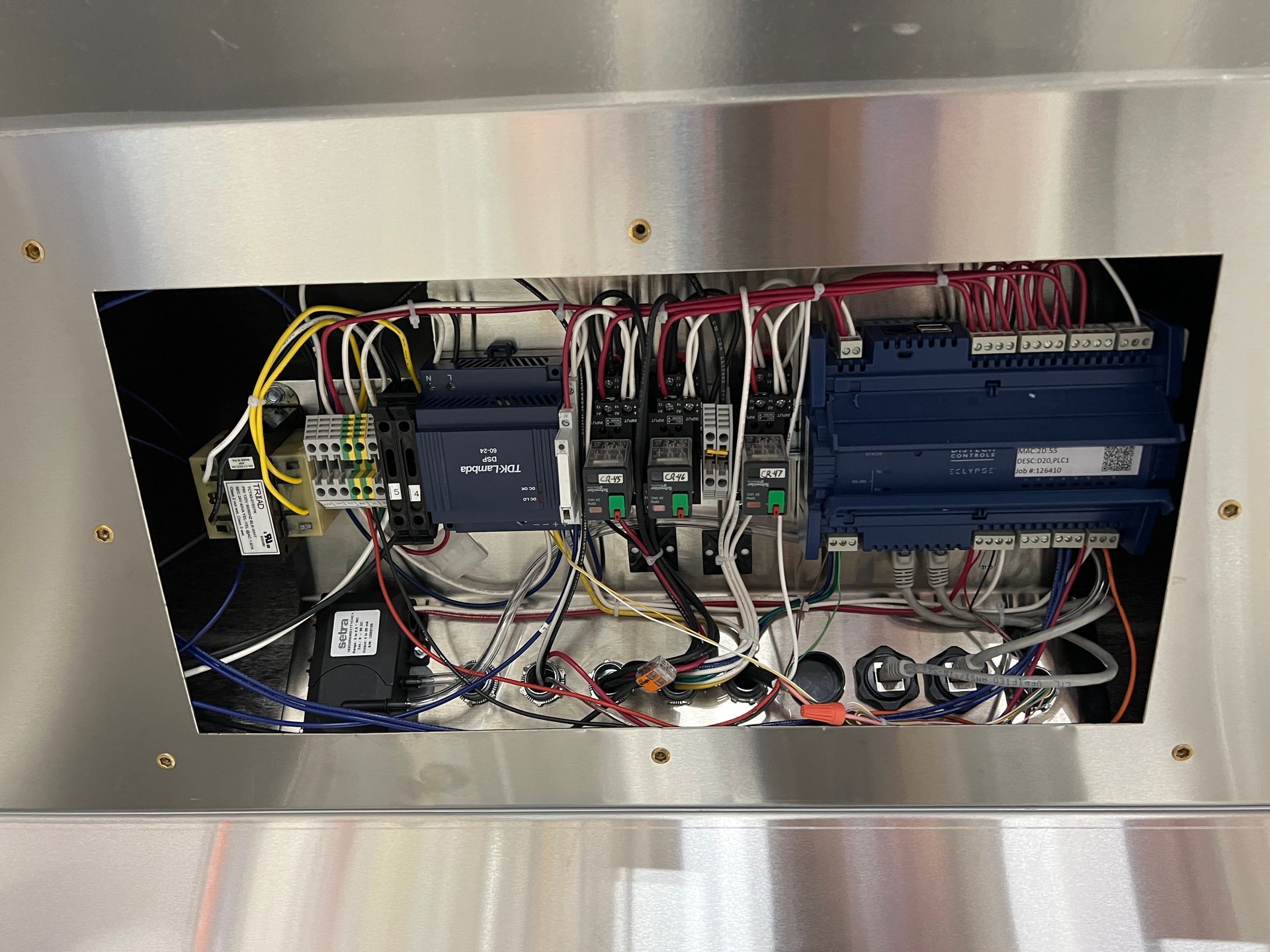
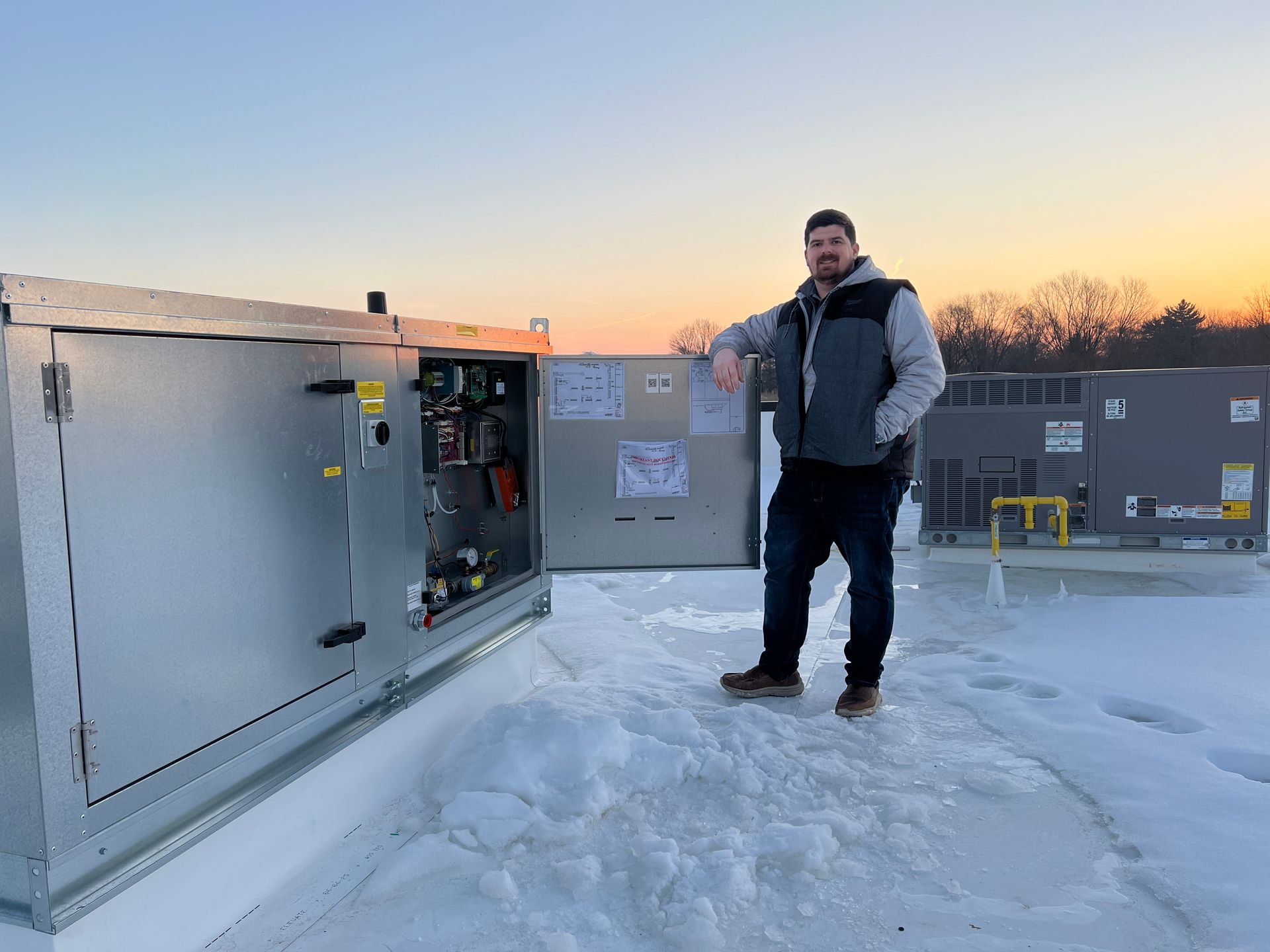
Serving Detroit, Troy, Royal Oak, and all of Metro Detroit, MCMC specializes in routine kitchen ventilation maintenance tailored to your facility’s needs. Our certified team ensures every inspection covers key areas: exhaust fans, make-up air units, hoods, ductwork, and controls. We provide full documentation for compliance and proactively identify opportunities to enhance energy efficiency, safety, and equipment reliability.
Ready to Protect Your Investment and Profitability?
Don't let neglected maintenance jeopardize your kitchen’s performance or your business reputation. Partner with Michigan Commercial Mechanical Contracting LLC for expert, code-compliant routine maintenance that translates into real ROI. Contact us today to schedule an assessment or enroll in a preventive maintenance package designed for the demands of Metro Detroit’s vibrant foodservice industry. Ensure your kitchen remains safe, efficient, and profitable—reach out now and experience the peace of mind that comes with Michigan’s premier commercial ventilation specialists.
Share This Blog