How Proper Kitchen Ventilation Lowers Energy Costs for Michigan Restaurants
As restaurant owners across Michigan—especially in Clinton Township and Metro Detroit—gear up for March’s busy events like St. Patrick’s Day and the start of spring dining, one operational expense looms large: energy costs. While utility bills are a constant part of running a commercial kitchen, did you know your kitchen ventilation and hood system plays a pivotal role in controlling those monthly expenses?
At Michigan Commercial Mechanical Contracting LLC, we understand how strategically designed and well-maintained kitchen ventilation systems can save local restaurants hundreds of dollars each year on energy costs, all while creating a safer, more comfortable work environment.
The Hidden Influence of Kitchen Ventilation on Your Utility Bills
Proper commercial kitchen ventilation isn’t just about fire safety or odor removal. It’s also a significant factor in your restaurant’s energy consumption and bottom line. Many Metro Detroit restaurant owners don’t realize that outdated or poorly maintained hood systems and exhaust fans can drastically reduce energy efficiency, driving up utility costs month after month.
With March’s fluctuating temperatures and increasing customer traffic, keeping your kitchen ventilation system in top condition ensures you maintain comfort for staff and guests—without energy waste.
How Does Kitchen Ventilation Reduce Restaurant Energy Costs?
A key question we hear is, “How does a well-designed ventilation system lower energy costs for restaurants?” The answer lies in effective airflow management, smart system design, and timely maintenance.
Key ways kitchen ventilation can lower your energy bills:
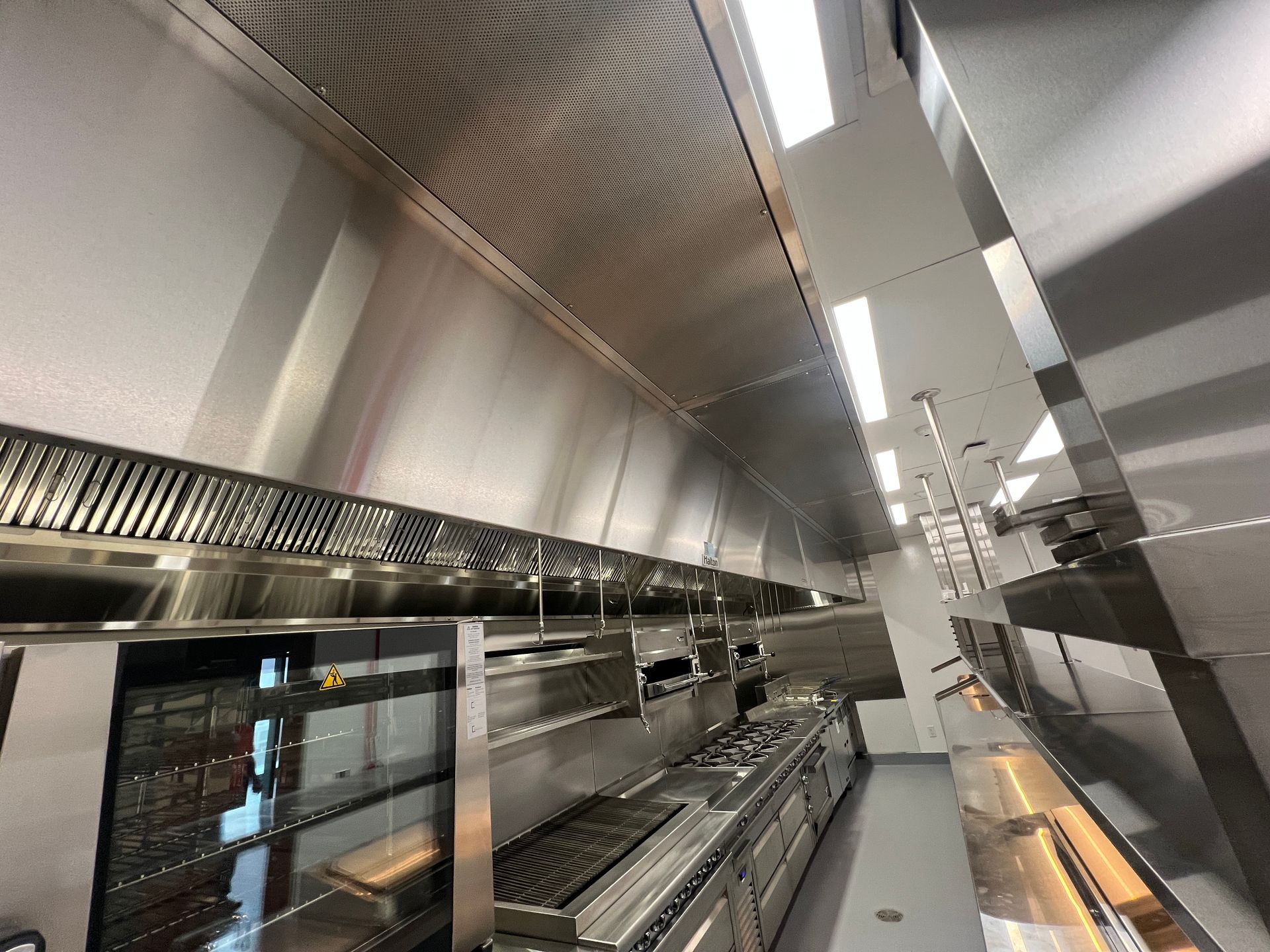
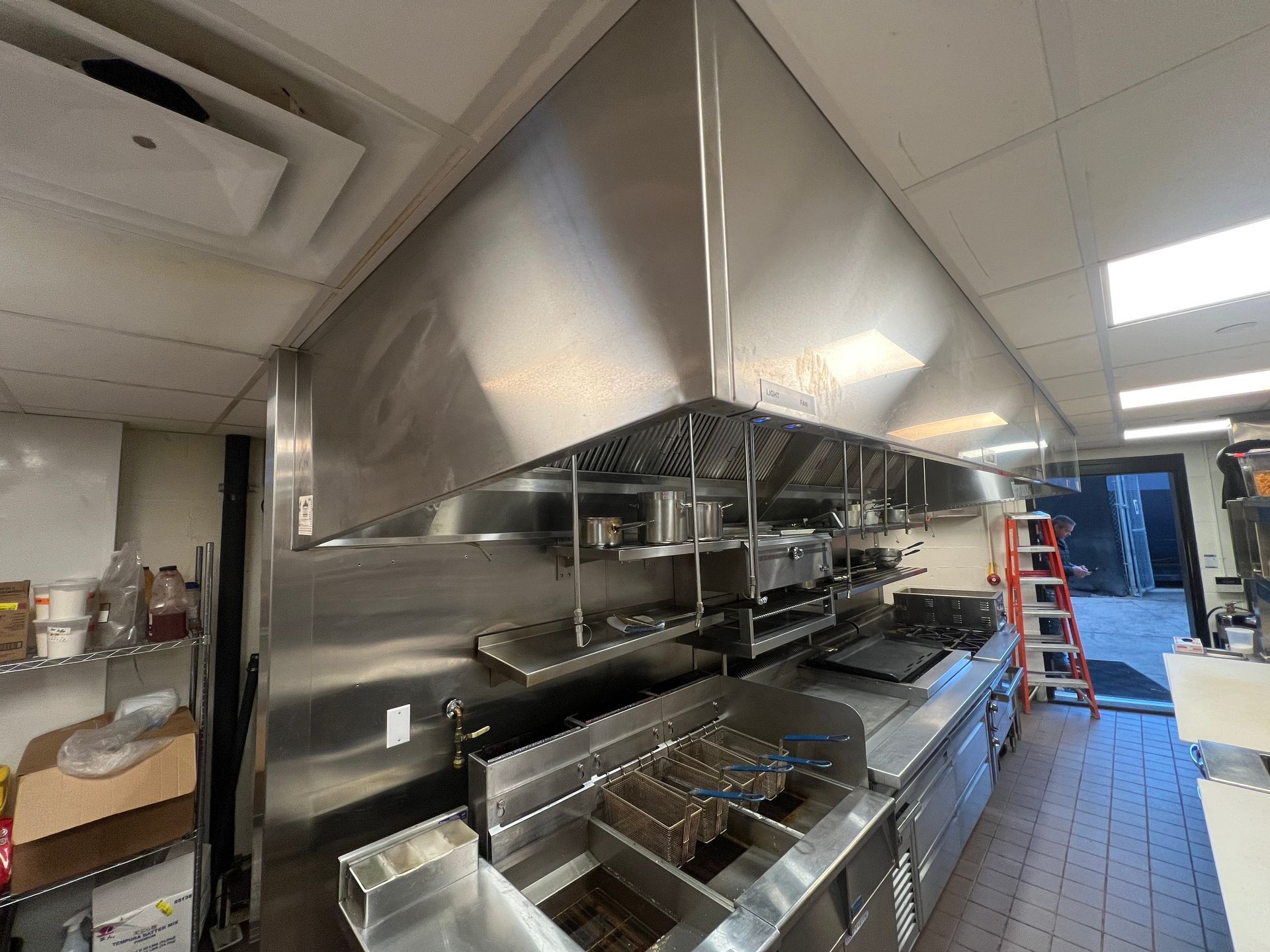
Efficient Grease Capture: Modern hoods and baffle filters trap grease more effectively, keeping your fans and ductwork cleaner and operating with less resistance, which means less energy use.
Balanced Air Pressure: Proper ventilation prevents negative pressure, reduces drafts, and minimizes the loss of heated or cooled air from your kitchen space.
Heat Recovery Options: Some advanced kitchen systems recover waste heat from exhaust air, helping to temper incoming make-up air—ideal for Michigan’s brisk March mornings.
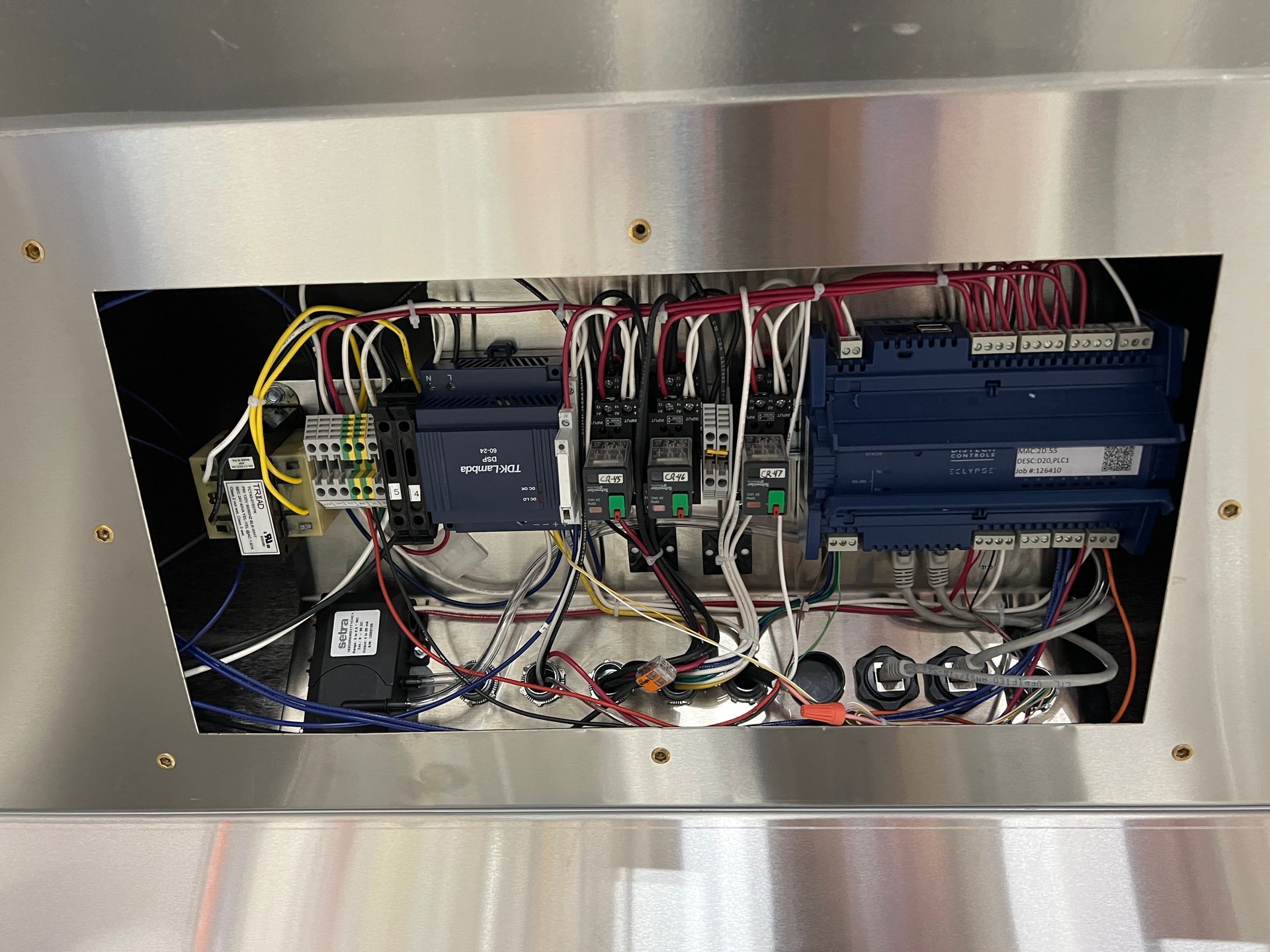
Smart Controls and Variable Speed Fans: Today’s high-efficiency systems can automatically adjust fan speed based on cooking demand, optimizing airflow and reducing unused energy during slower times.
March Maintenance: Quick Checklist for Michigan Restaurant Owners
Before the spring season ramps up, now is the perfect time for a ventilation checkup. Keeping your kitchen ventilation system clean and efficient maximizes its energy-saving potential.
Actionable steps every Michigan restaurant should take:
Inspect and clean hood filters: Dirty filters force your system to work harder and use more energy.
Check exhaust and make-up air fans: Ensure smooth, quiet operation and proper airflow.
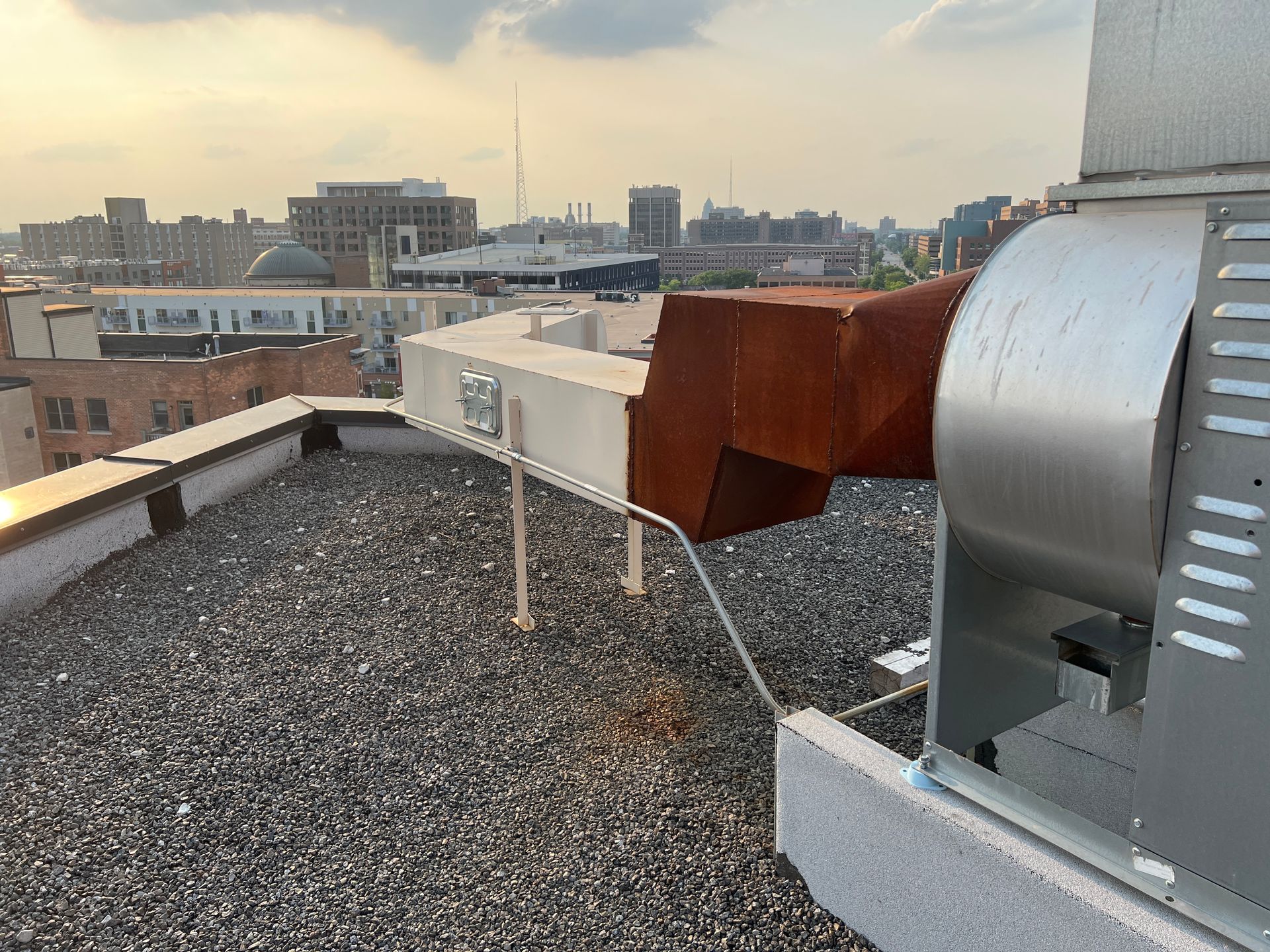
Examine ductwork: Look for grease buildup or damage that could hamper efficiency.
Test fan speeds and controls: Adjust variable speed drives or programmable controls for optimal operation.
Schedule professional maintenance: A certified technician from Michigan Commercial Mechanical Contracting LLC can identify hidden inefficiencies and recommend cost-saving upgrades.
Local Benefits with Seasonal Relevance
March brings unpredictable weather throughout Metro Detroit, from freezing nights to unseasonably warm afternoons. Restaurants need their kitchen ventilation systems working perfectly to keep staff and guests comfortable as seasons shift and business picks up.
Choosing an experienced Clinton Township commercial kitchen ventilation contractor ensures:
Compliance with Michigan’s safety and energy regulations.
Long-term savings that buffer against seasonal utility spikes.
Customized solutions for every layout—be it a gastropub, diner, or healthcare cafeteria.
Stay Ahead: Why Now’s the Time for a Ventilation Upgrade
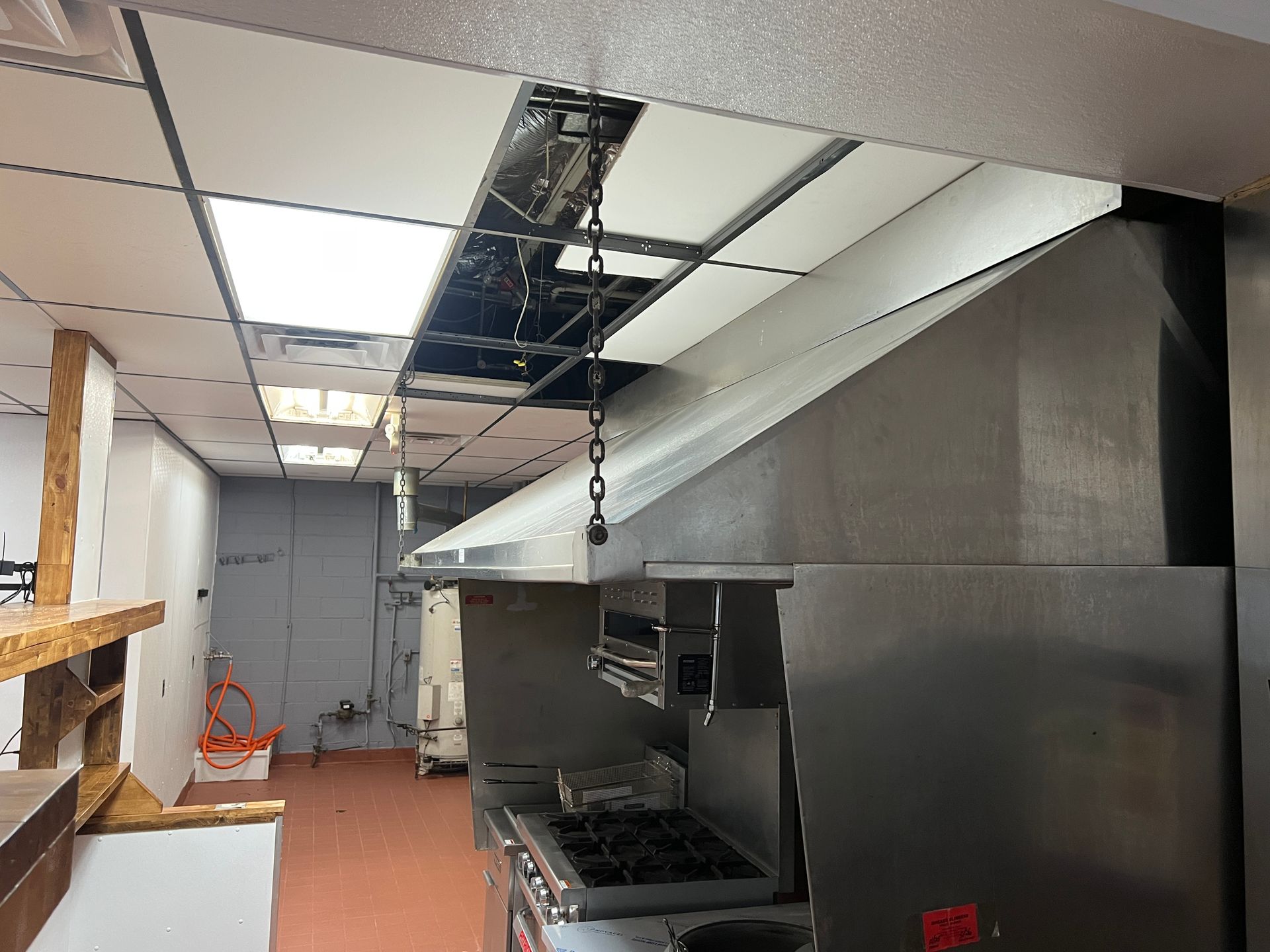
If your kitchen is still relying on aging fans or outdated hood systems, you could be missing out on significant energy savings—especially with spring just around the corner. Investing in high-efficiency commercial kitchen ventilation brings real financial returns, especially when paired with regular preventive maintenance. With energy costs rising in Michigan, now is the smart time to upgrade.
Ready to Lower Your Energy Costs and Boost Kitchen Comfort?
Don’t let another month of high utility bills go by. Michigan Commercial Mechanical Contracting LLC is your trusted local expert in energy-efficient kitchen ventilation system design, installation, and code-compliant maintenance. We serve Clinton Township and all of Metro Detroit, helping restaurants save energy, stay safe, and operate seamlessly.
Contact us today to schedule your March commercial kitchen ventilation assessment—and start experiencing lower energy costs with the flip of a switch. Let’s make this spring a season of savings and success for your Michigan restaurant!
Share This Blog