Navigating Kitchen Hood Selection: Canopy, Wall-Mount, or Island?
When it comes to running a successful commercial kitchen in Metro Detroit, the right kitchen ventilation system is crucial. At Michigan Commercial Mechanical Contracting LLC, we understand that selecting the best kitchen hood is about more than just compliance—it’s about safety, efficiency, and the long-term performance of your culinary operation.
With several types of commercial kitchen hoods available, making the right choice can be challenging for restaurant owners, facility managers, and culinary professionals throughout Detroit, Troy, Royal Oak, and the surrounding areas. In this guide, we help you navigate the most common commercial kitchen hood styles—canopy, wall-mount, and island—so you can make an informed decision that aligns with your needs and local code requirements.
Why Kitchen Hood Selection Matters
A properly chosen hood system ensures optimal air quality, fire safety, and regulatory compliance. The right ventilation also supports staff comfort and food quality by effectively removing heat, smoke, grease, and odors. Each hood type is designed with specific applications in mind, making selection an important step in creating a safe and productive kitchen environment.
Canopy Hoods: The Classic Solution for Larger Kitchens
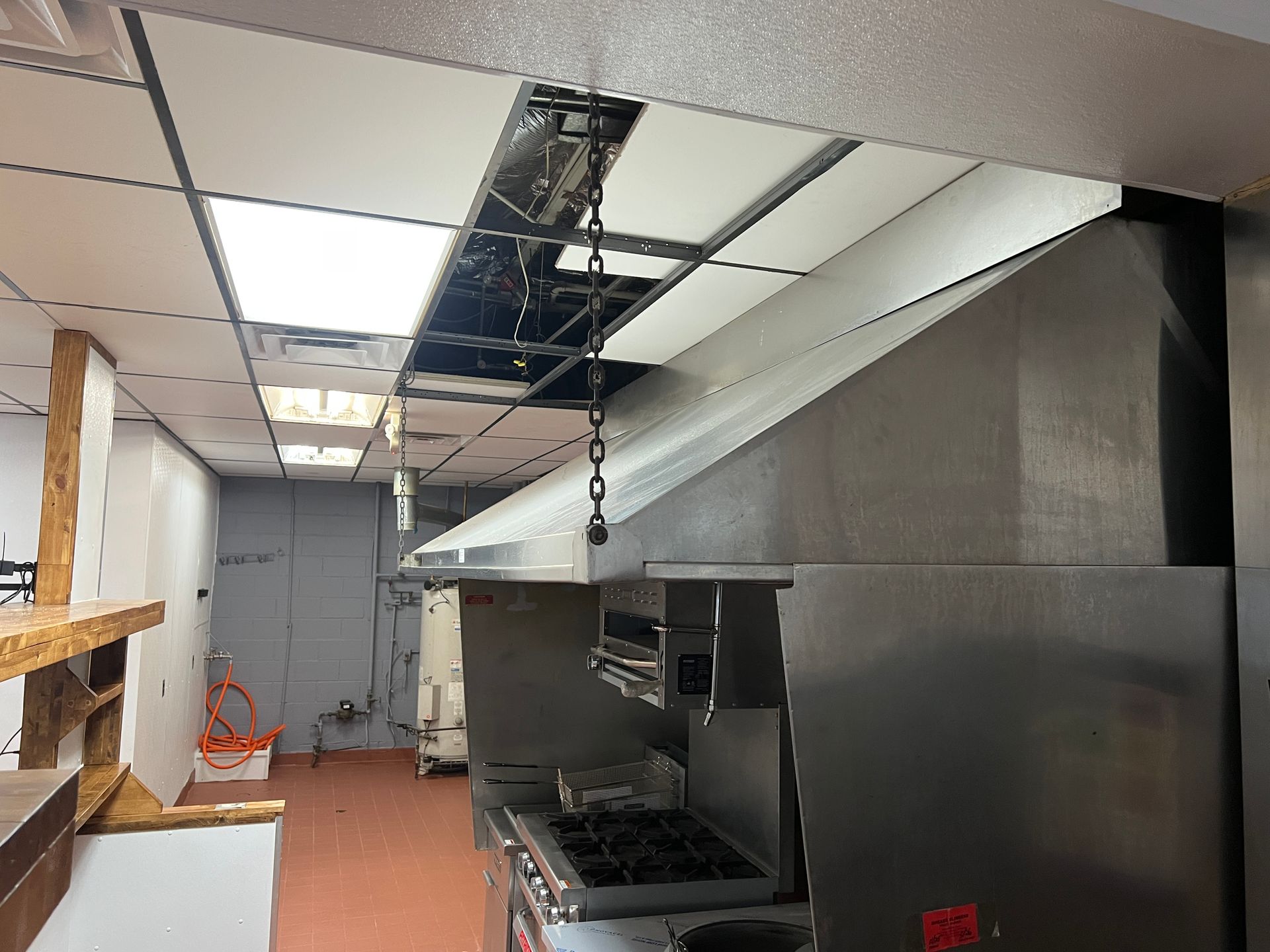
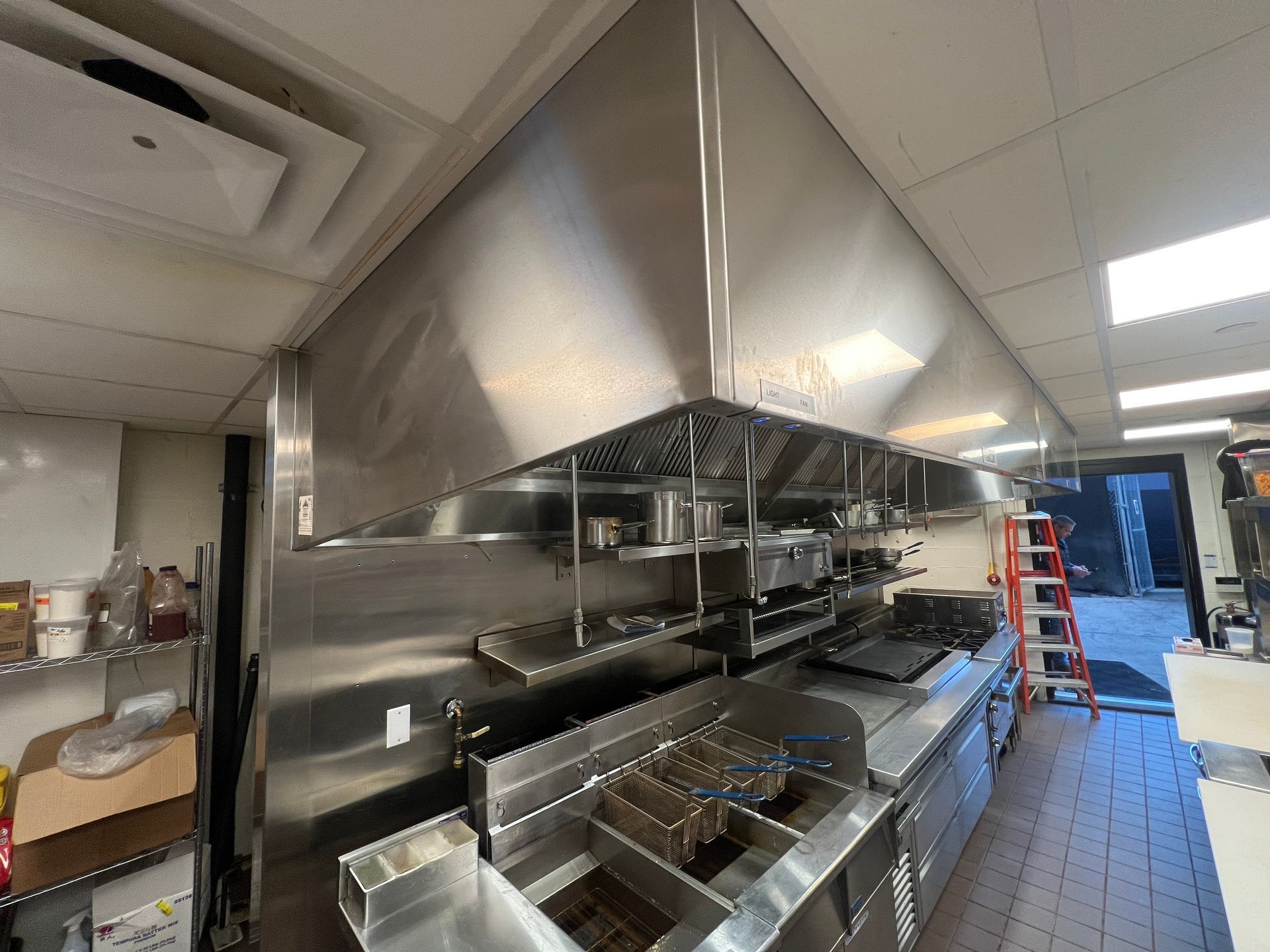
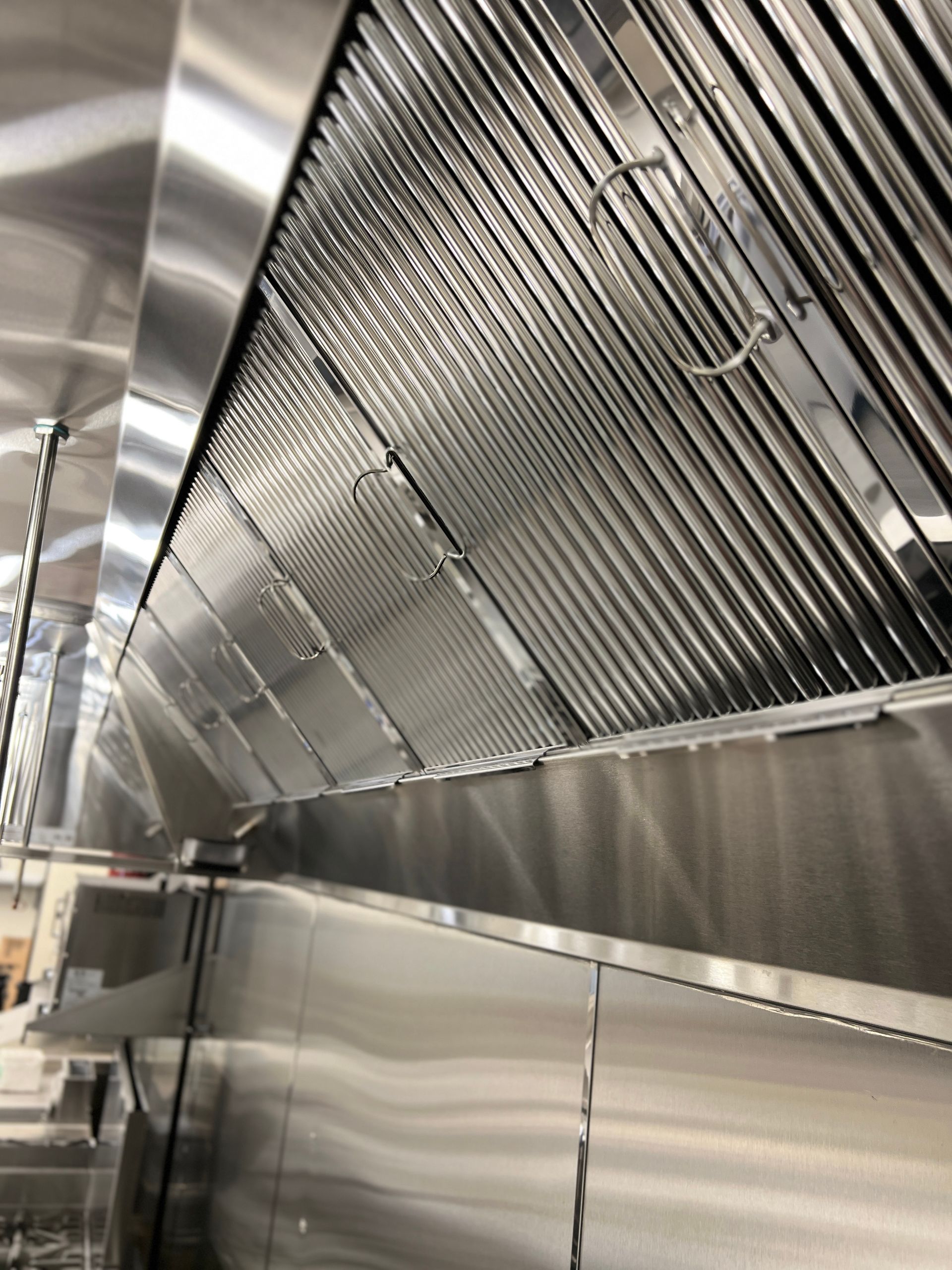
Canopy hoods are among the most popular options for commercial kitchens in Michigan’s foodservice industry. These hoods are designed to cover large cooking equipment banks and are ideal for spaces where appliances are arranged along a wall or in a straight line.
Key Benefits of Canopy Hoods:
- Broad coverage for high-heat, high-output kitchen equipment like grills, fryers, and ovens.
- Efficient capture and containment of grease-laden vapors, smoke, and steam.
- Suitable for both wall and island installations, offering design flexibility.
Typical Applications:
Canopy hoods are a top choice for restaurants, school cafeterias, and institutional kitchens with a high volume of simultaneous cooking. Their size and power make them especially effective in bustling environments, and they are often paired with make-up air units for balanced airflow.
Wall-Mount Hoods: Space-Saving and Code-Compliant
Wall-mount hoods are designed to be installed directly against a wall above cooking surfaces. This configuration creates an air capture zone that draws contaminants away from the wall and up into the ventilation system.
Key Benefits of Wall-Mount Hoods:
- Maximizes kitchen space by aligning with existing wall-mounted appliances.
- Provides effective smoke, odor, and grease removal for a variety of cooking equipment.
- Meets stringent fire and ventilation codes required by local health and building departments.
Typical Applications:
Wall-mount hoods are commonly found in smaller restaurants, fast-casual concepts, bakeries, and food trucks operating in urban areas like Detroit and Royal Oak. They’re ideal when space is limited but power and performance cannot be compromised.
Island Hoods: Open-Concept Ventilation for Modern Kitchens
Island hoods are designed for kitchens where cooking equipment is centrally located away from walls—often found in open kitchen designs, chef’s tables, or demonstration areas.
Key Benefits of Island Hoods:
- Provides 360-degree ventilation, capturing fumes from all sides of a central cooking station.
- Enhances the aesthetics of open-concept kitchens by combining functionality with modern design.
- Customizable to fit unique layouts and specialty equipment arrangements.
Typical Applications:
Restaurants, hotel kitchens, and catering facilities looking to create a show kitchen experience frequently opt for island hoods. These systems support both functionality and guest engagement by keeping the kitchen clean and inviting.
Factors to Consider When Choosing Your Kitchen Hood
Selecting the right hood involves more than just choosing a style. Here’s what local foodservice businesses should keep in mind:
- Cooking volume and type: High-volume frying and grilling require more robust solutions.
- Kitchen layout: The placement of appliances and available space will influence your hood selection.
- Local codes: Detroit and Metro Detroit municipalities have specific ventilation and fire safety requirements.
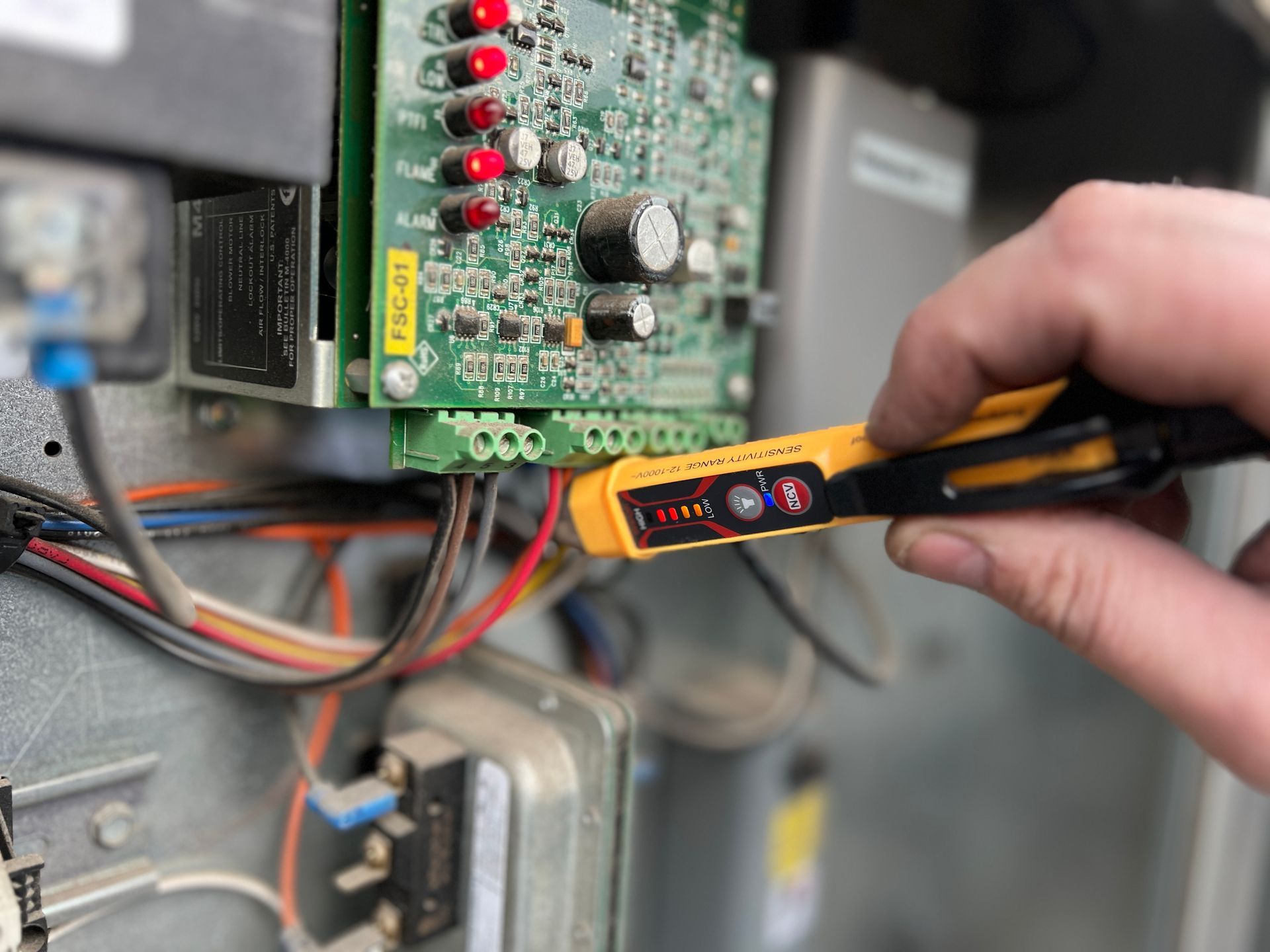
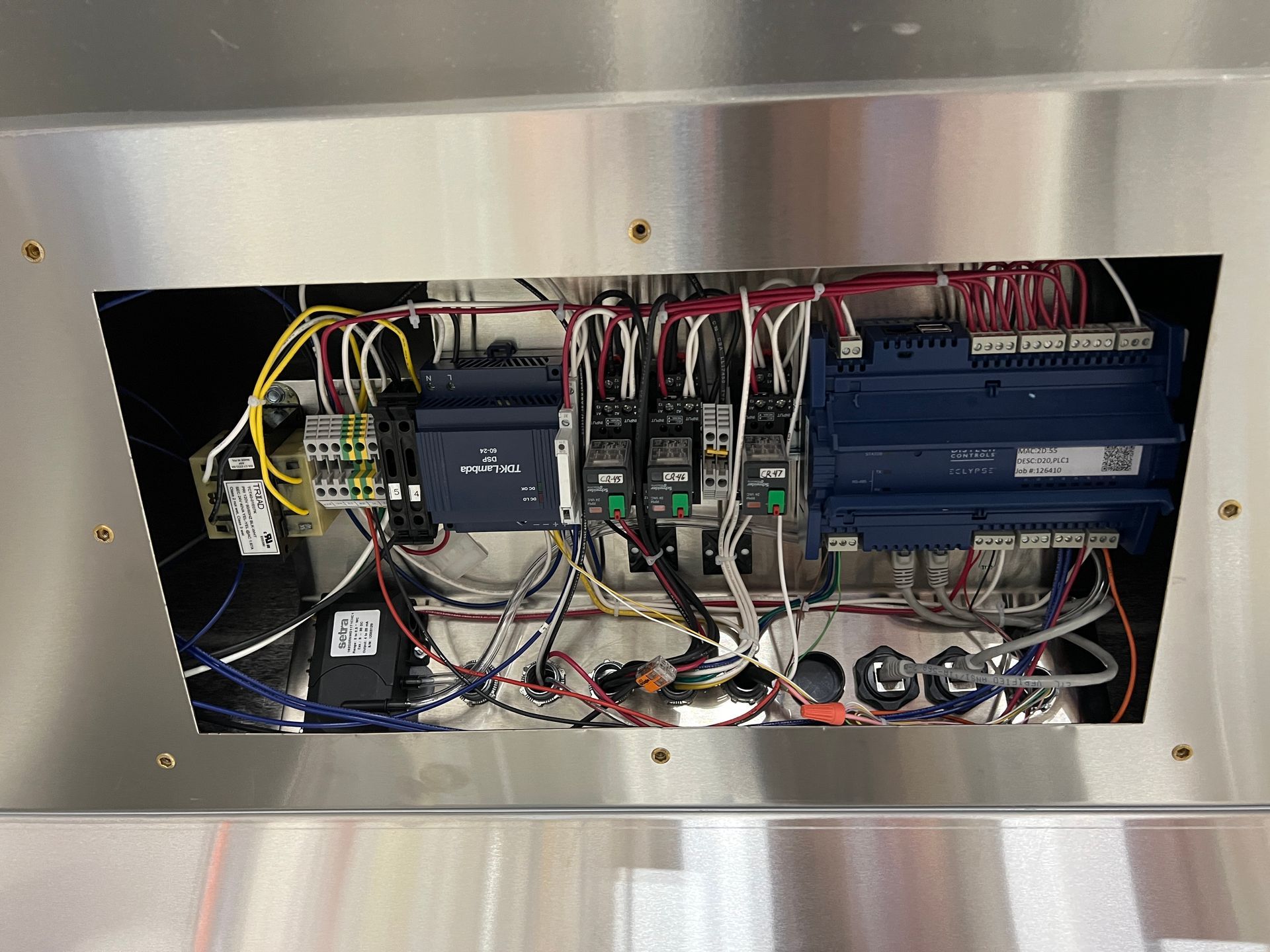
- Energy efficiency: Modern hoods with integrated control systems can reduce operational costs.
- Maintenance and cleaning: Choose designs that allow for easy access and regular service.
Ready to Upgrade? Partner with the Detroit Kitchen Ventilation Experts
The right kitchen hood system is vital for your business’s safety, code compliance, and ongoing success. At Michigan Commercial Mechanical Contracting LLC, our specialists provide comprehensive consultation, design, installation, and maintenance services for commercial kitchen hoods and ventilation systems across Metro Detroit.
Don’t leave your ventilation needs to chance—contact us today for a personalized evaluation and discover how our expertise can enhance your kitchen’s performance, air quality, and safety. Book your consultation with Michigan Commercial Mechanical Contracting and experience the peace of mind that comes with working with Metro Detroit’s kitchen ventilation specialists.
Share This Blog