What Equipment Is Safe to Place Under Your Commercial Hood?
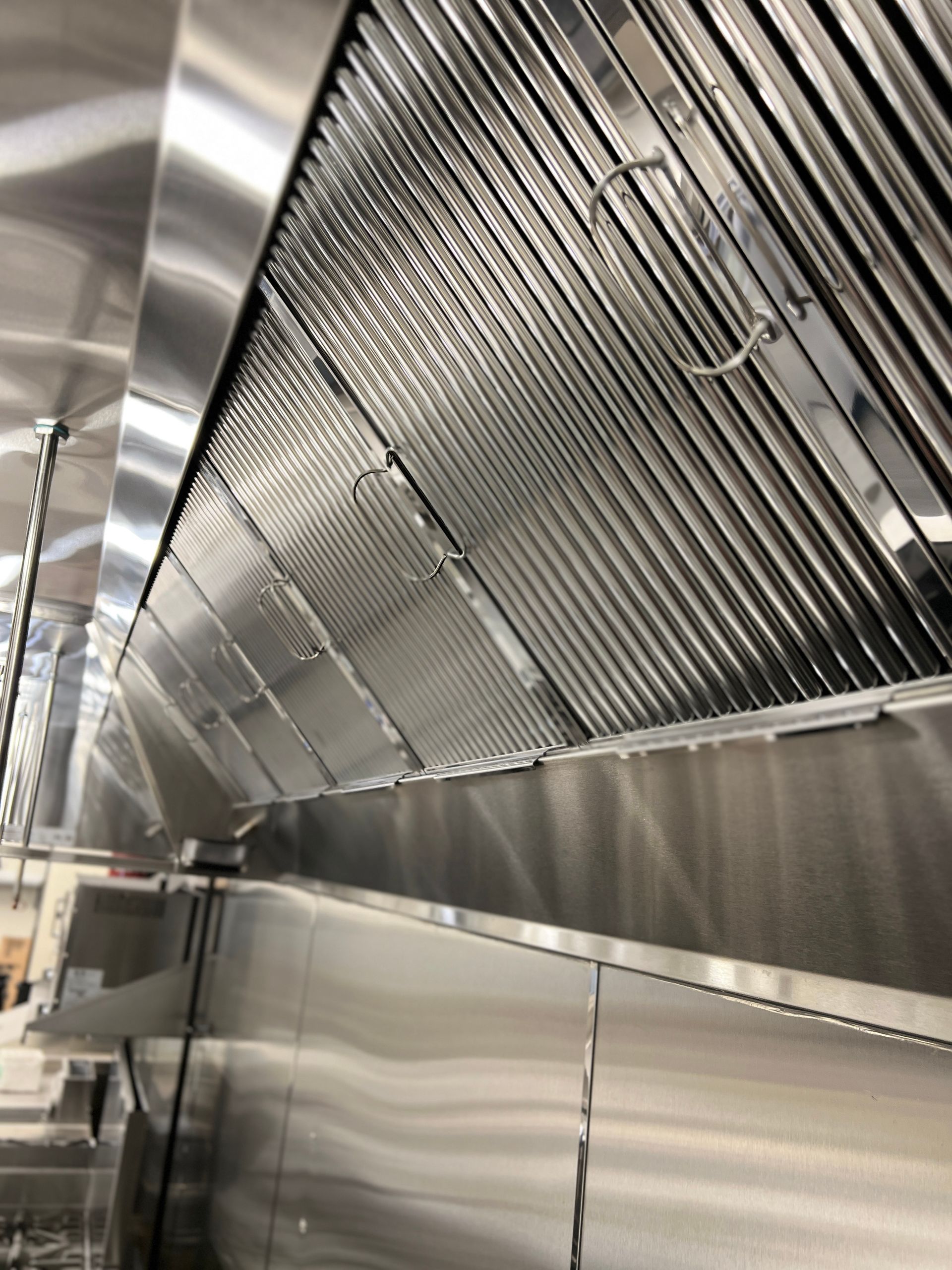
Every commercial kitchen setup in Metro Detroit relies on the right exhaust hood system—but what you install beneath that hood can make or break your safety, efficiency, and code compliance. The wrong equipment under your hood doesn’t just put your building at risk; it can also shut you down after an inspection, void your insurance, or trigger a costly retrofit.
At MC², we get questions every week from operators planning new layouts or adding appliances. Here’s exactly what’s safe, what’s not, and the key considerations most owners miss.
In This Article:
- Why Equipment Selection Matters Under the Hood
- What Belongs Under Type I and Type II Hoods
- Equipment Never Allowed Beneath Hoods
- Red Flags and Common Code Mistakes
- Frequently Asked Questions
Why Equipment Selection Matters Under the Hood
Placing the right equipment under your hood isn’t just about following the manual. It’s about fire safety, insurance coverage, health code compliance, and efficient kitchen workflow. The right match prevents grease and vapor from spreading, makes cleaning straightforward, and keeps each appliance performing at its best.
A quick tip to remember: Never assume you can swap, replace, or add new equipment under your hood without first checking local code or talking to a ventilation specialist.
What Belongs Under Type I and Type II Hoods
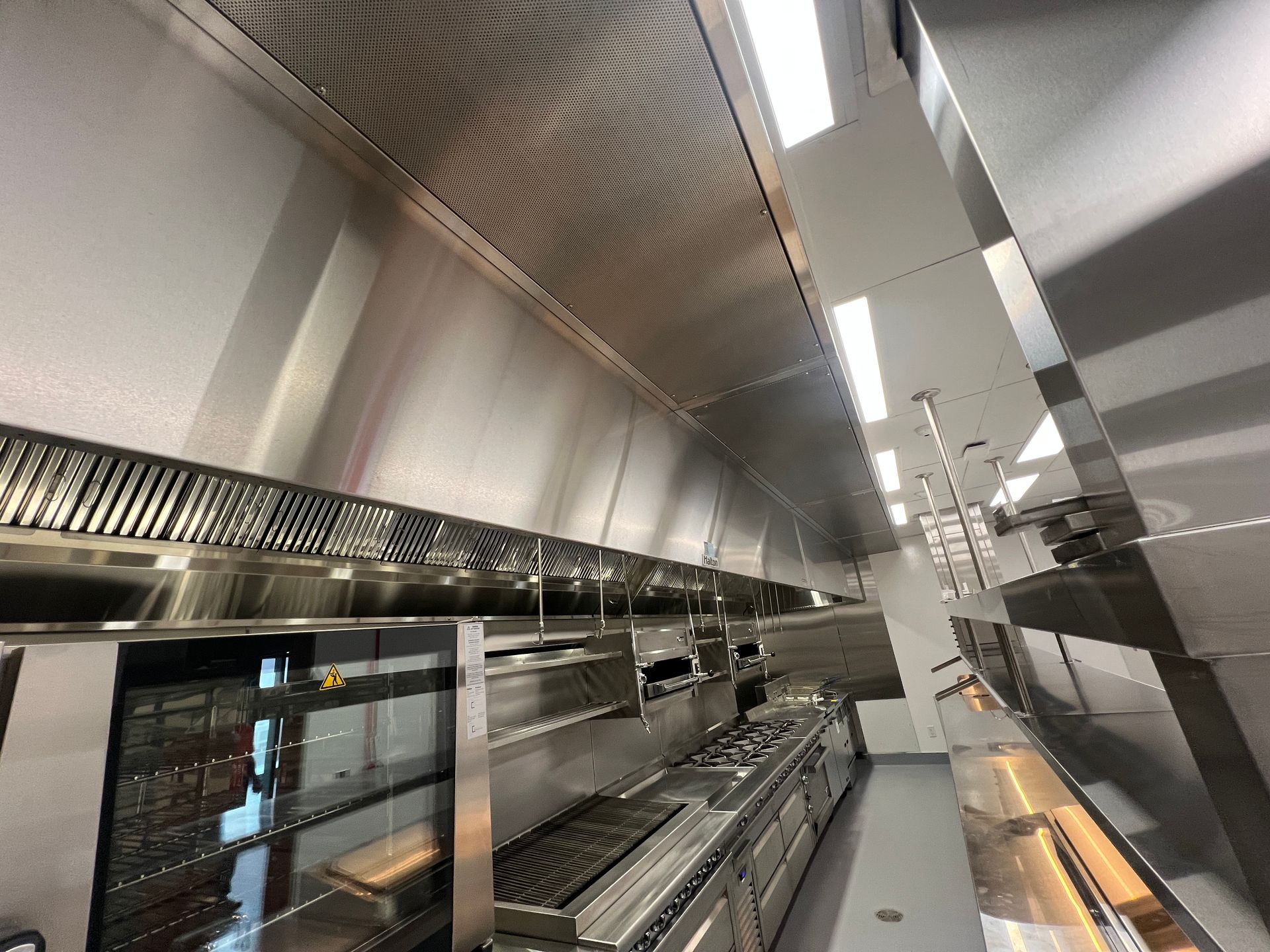
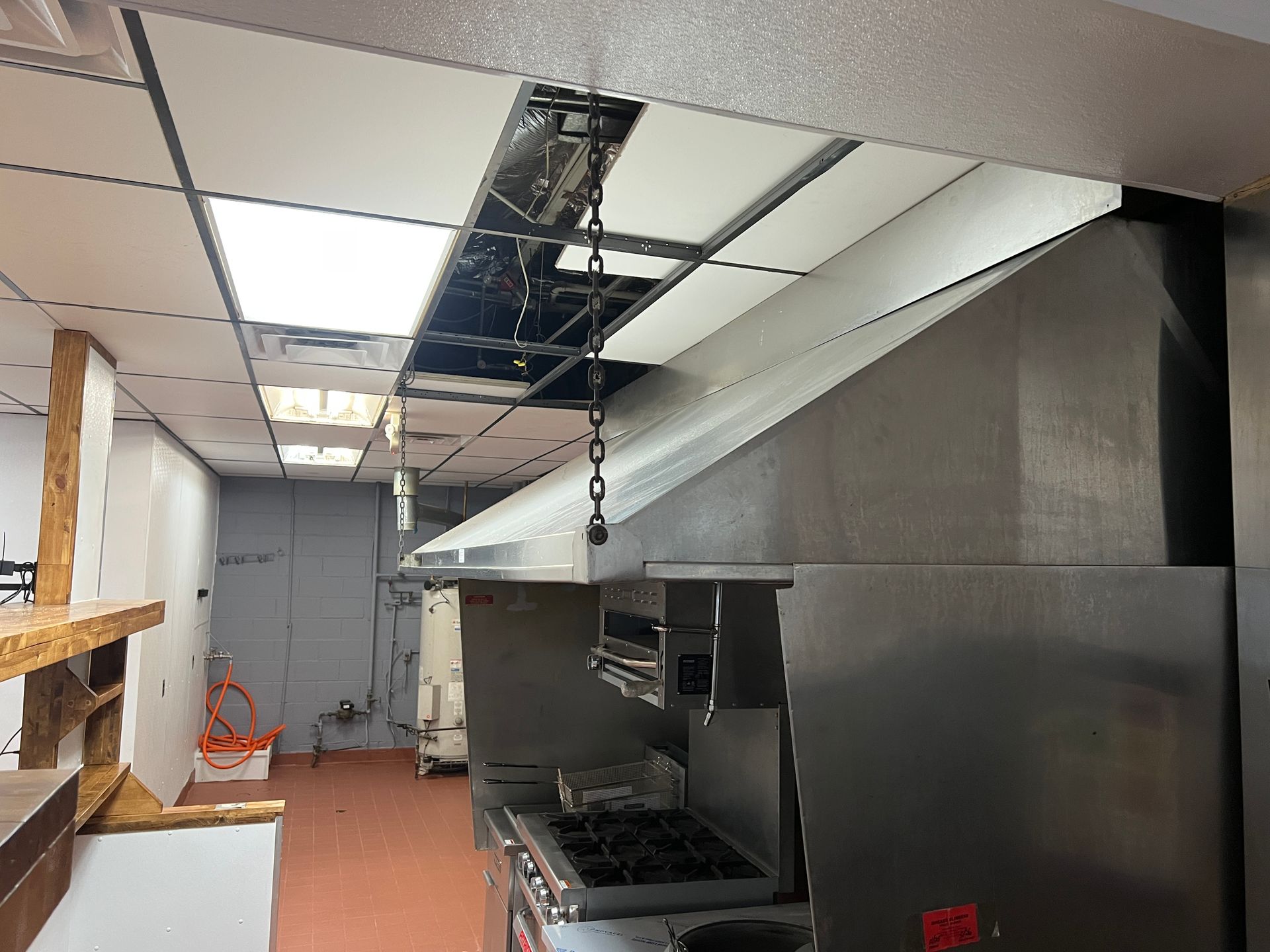
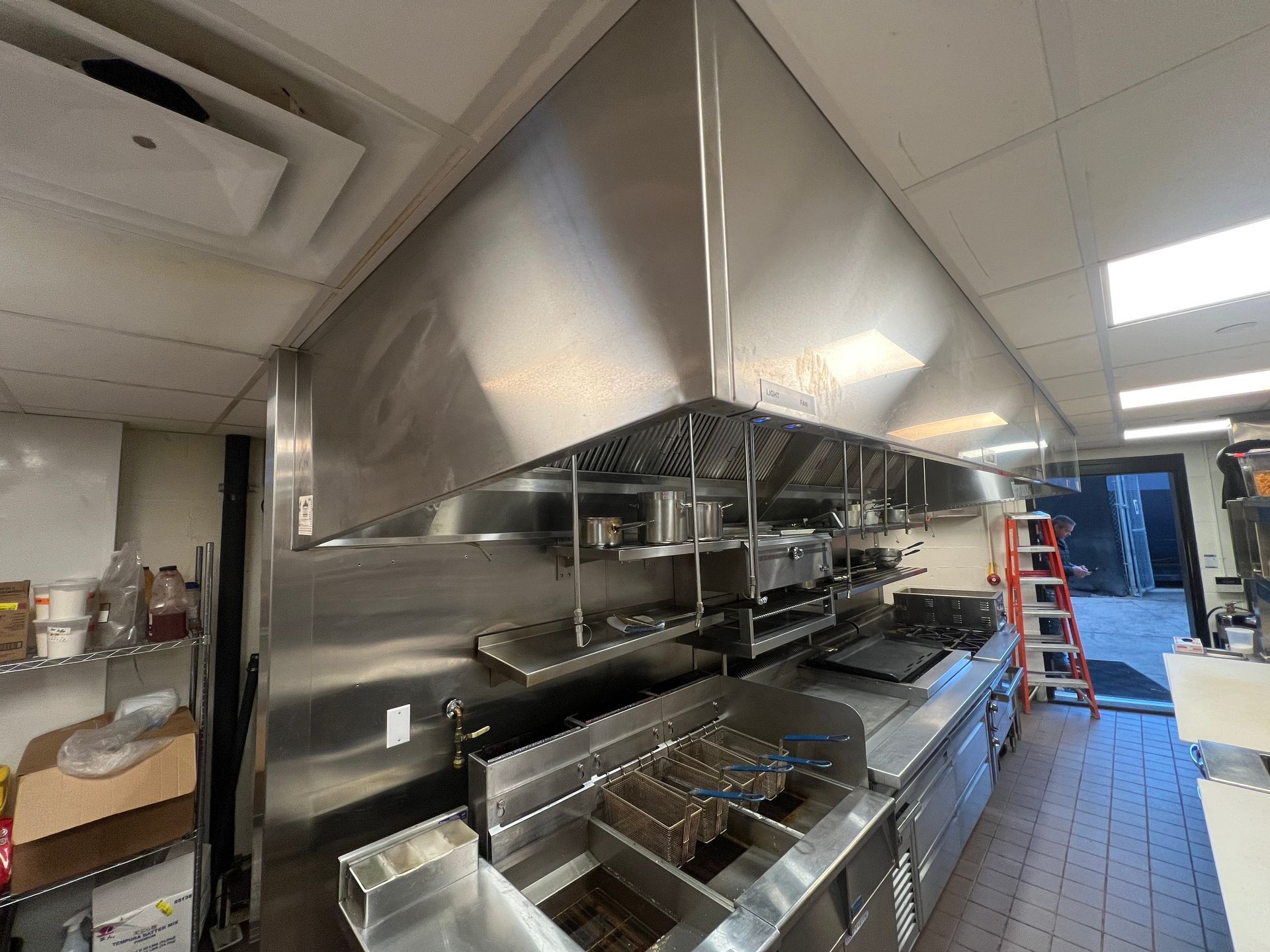
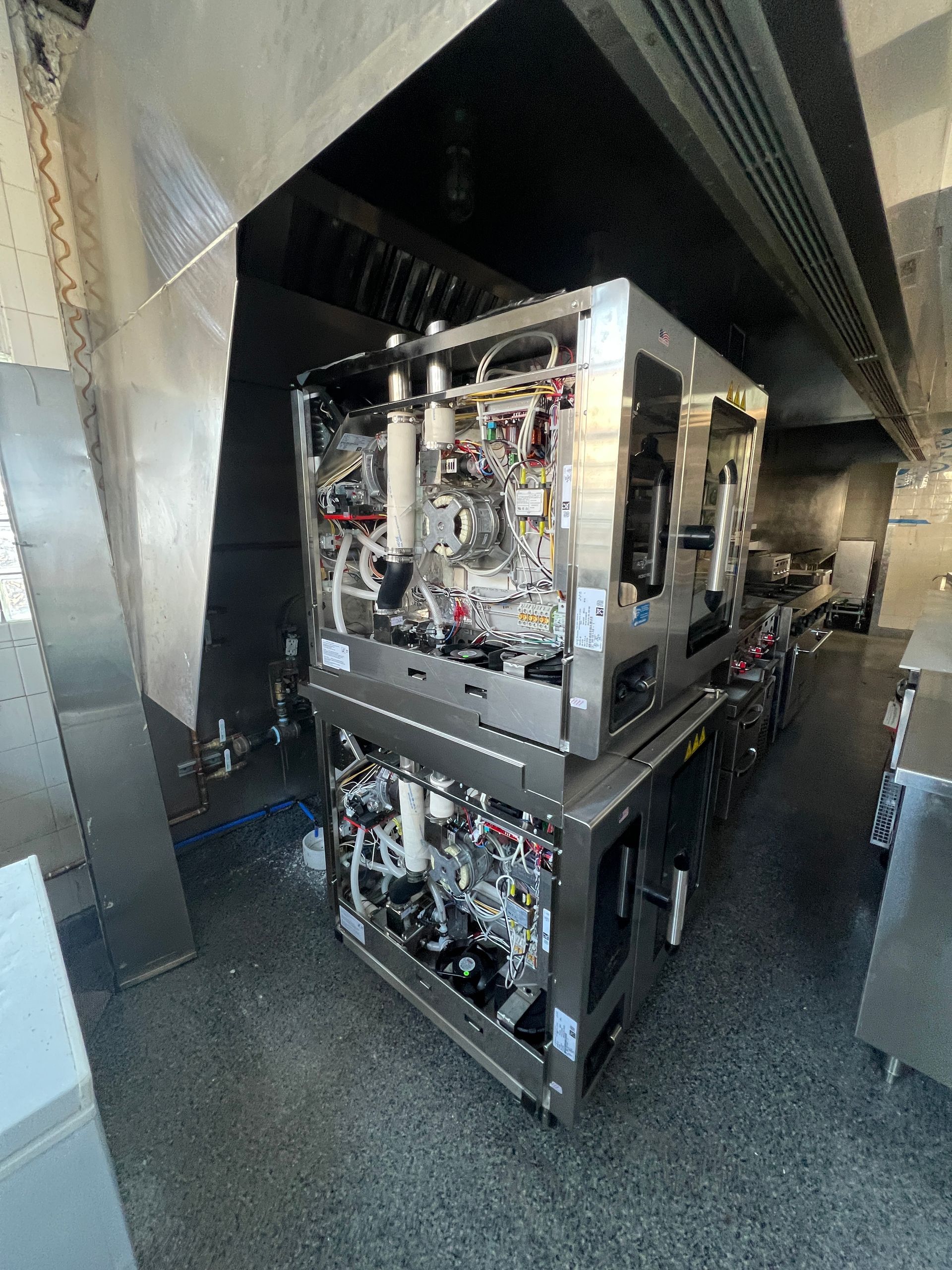
- Type I Hoods: These are for grease-producing equipment—anything that fries, grills, broils, or cooks with open flame. Safe equipment includes deep fryers, flat-top griddles, charbroilers, ranges, rotisseries, and combi ovens with venting requirements.
- Type II Hoods: These are for heat and steam, not grease or flame. Safe equipment includes convection ovens, pasta cookers, steamers, and some proofers or holding cabinets. Type II hoods should never be used for any appliance that generates grease.
For both types, the appliance must fit fully under the hood’s capture area, with required overhangs per code. Anything that sticks out or sits too far from the intake exposes your kitchen to smoke, heat, or grease escaping the system.
Equipment Never Allowed Beneath Hoods
- Refrigeration units, especially open-top coolers or prep tables not designed for vented positions
- Dishwashers or sanitizers
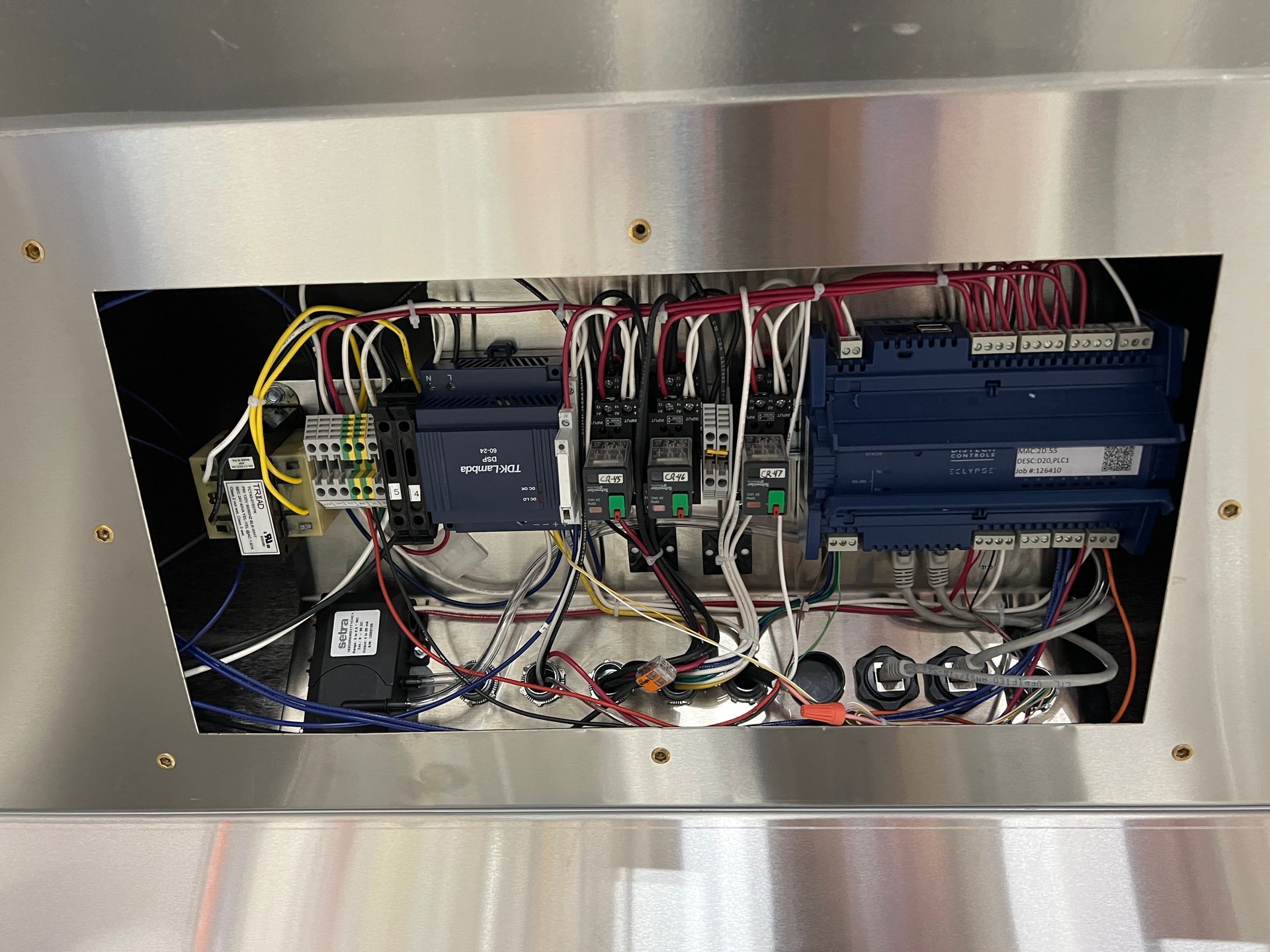
- Electrical panels or non-cooking equipment
- Appliances producing grease under a Type II hood
Putting the wrong appliance under your hood can void fire protection, lead to health code penalties, and force an expensive redesign.
Red Flags and Common Code Mistakes
- Placing new high-output fryers or ovens under an existing hood without checking the CFM or hood type
- Using the same hood for “mixed” equipment like both grease and steam units
- Not verifying equipment specs for venting requirements with a certified installer
- Failing to consult local fire or health inspectors before making layout changes
Frequently Asked Questions
Can I add an extra fryer or griddle under my current hood?
Only if your hood is sized and certified for the added CFM and grease load. MC² recommends a load review before any upgrades.
What happens if my equipment sticks out from under the hood?
Any appliance not fully enclosed by the hood’s capture zone can let vapor or grease escape, opening you up to code violations, fire risk, and possible shutdown.
Are there local codes on what can go under my hood?
Yes—Detroit and surrounding areas follow national fire and health codes, but always check with local inspectors or trusted contractors like MC² for specific requirements.
Get Layout Right—And Stay Safe
Choosing the right equipment for your kitchen hood isn’t just a design issue—it’s about keeping your kitchen safe, compliant, and operational. Before you add or swap appliances, consult with MC² to ensure your restaurant layout supports lasting performance and code compliance. Book a review and keep your Metro Detroit kitchen running without surprises.
Share This Blog